Value from Waste: How Stainless Steel Separation Conveyors Turn Scrap into Assets

Stainless steel holds tremendous value, even in its discarded form

Managing waste materials has become a critical concern for industries of all kinds. Stainless steel, a versatile and corrosion-resistant alloy, holds tremendous value, even in its discarded form. Extracting this value from stainless steel scrap has been revolutionized by the advent of stainless steel separation conveyors. These advanced systems offer an eco-friendly and economically viable solution to transform waste into assets, supporting environmental goals and bottom-line profitability.

The Stainless Steel Challenge

Stainless steel is a widely used material across various industries due to its exceptional durability and resistance to corrosion. However, like all materials, stainless steel products eventually end their useful life. It leads to a substantial amount of stainless steel waste, which, if not managed properly, can harm the environment and waste valuable resources.

Stainless steel has low magnetic properties, so traditional recycling methods often involve time-consuming and inefficient manual sorting processes, leading to significant material losses and higher operational costs. Contamination from other materials, such as non-ferrous metals or plastic, can reduce the quality and value of recycled stainless steel.

The Solution: Stainless Steel Separation Conveyors

Stainless steel separation conveyors are state-of-the-art systems designed to efficiently and effectively sort and separate stainless steel scrap from other materials. These conveyors utilize a combination of advanced technologies to achieve remarkable results:

  • Magnetic Separation: Stainless steel separation conveyors employ powerful magnetic fields to attract and separate ferrous, stainless steel from non-magnetic materials. This step is crucial in removing contaminants and ensuring the purity of the recycled stainless steel.
  • Eddy Current Separation: Non-ferrous stainless steel, such as aluminum, copper, or brass, can be challenging to distinguish from stainless steel. Eddy current separators utilize electromagnetic fields to induce currents in non-ferrous materials, causing them to be repelled and separated from the stainless steel.
  • Vibratory Feeders: These conveyors use vibration to evenly distribute the scrap material evenly, facilitating separation. It ensures a consistent and efficient flow of materials through the system.
  • Optical Sensors: Some advanced systems incorporate optical sensors that can identify different types of stainless steel alloys based on their reflective properties. It enhances sorting accuracy and allows for the separation of valuable stainless steel alloys from less valuable ones.

Benefits of Stainless Steel Separation Conveyors

1. Resource Conservation

Stainless steel separation conveyors significantly reduce material losses during recycling, maximizing the recovery of valuable stainless steel resources. Ir contributes to preserving natural resources and reduces the need for virgin stainless steel production.

2. Cost Efficiency

These conveyors reduce labor costs and increase operational efficiency by automating the separation process. The precise separation also ensures higher-quality recycled stainless steel, which can command better market prices.

3. Environmental Impact

Reducing material losses and contamination minimizes the environmental footprint of stainless steel recycling. This aligns with sustainability goals and reduces the carbon footprint of stainless steel production.

4. Quality Assurance

Stainless steel separation conveyors improve the quality and purity of recycled stainless steel, making it more suitable for various applications, including manufacturing, construction, and infrastructure projects.

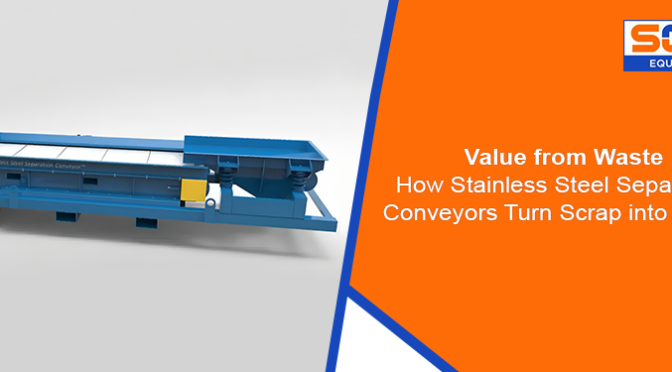
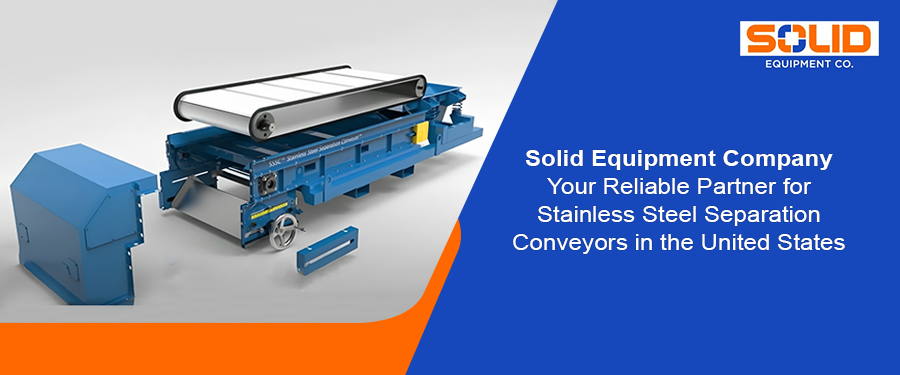
SSSC® Stainless Steel Separation Conveyor™ by Bunting Magnetics at Solid Equipment Company

Solid Equipment Company is your trusted supplier for sourcing high-quality industrial recycling equipment in the United States.

Patented design with high-intensity neodymium magnets SSSC® Stainless Steel Separation Conveyor™ by Bunting Magnetics recovers up to 98% of 300 Series Stainless Steel. It removes 94% of irregular shapes from ASR Zurik lines, ensuring the purest zurik and maximum removal of stainless steel and ferrous dust.

  • Lab-proven results show impressive removal rates, enhancing production efficiency and purity.
  • Ideal for ASR Zurik stainless steel recovery, appliance recycling, and cleaning ICW Wire before chopping.
  • Features include high-intensity magnetic pulleys, heavy-duty frame, VFD controllers, and easy adjustability.

As the world continues to prioritize environmental responsibility and resource efficiency, stainless steel separation conveyors are poised to play a crucial role in achieving these objectives while benefiting businesses and the planet.

Contact us for quotes and expert guidance on industrial recycling solutions.
stainless steel separation conveyors supplier
We offer top-of-the-line stainless steel separation conveyors.

More to read in Solid Equipment Company Blog

The Role of Industrial Recycling Equipment in Waste Reduction and Management

A Guide to Finding Reliable Suppliers for Recycling Machinery and Equipment in the USA

The Benefits of Buying Used Recycling Equipment from a Trusted Supplier
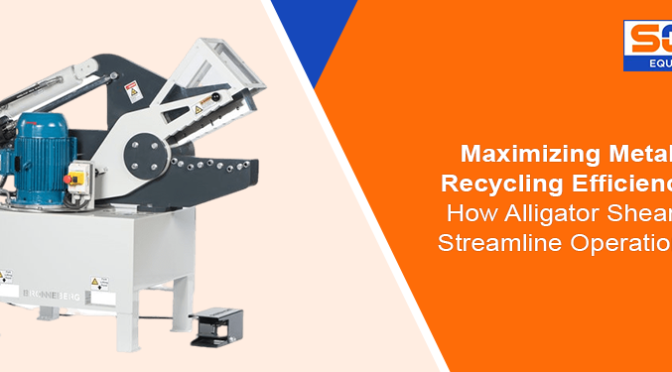
 

Maximizing Metal Recycling Efficiency: How Alligator Shears Streamline Operations

Alligator shears streamline metal recycling operations, enhance productivity, and contribute to a greener planet.

In the world of metal recycling, efficiency is the name of the game. Metal recycling facilities must process large volumes of scrap metal quickly and effectively to stay competitive and environmentally responsible.

One essential tool that has revolutionized the metal recycling industry is the alligator shear. It is a wonderful equipment that can streamline metal recycling operations, enhance productivity, and ultimately contribute to a greener planet.

What are Alligator Shears?

Before diving into the advantages of this piece of equipment, let’s first understand what they are.

Alligator Shears are robust cutting machines designed specifically for cutting and processing scrap metal. They are aptly named after how their jaws resemble an alligator, providing them with the strength needed to handle various types of metal.

What are the Key Features of Alligator Shears

Versatility

The shears can process various materials, including steel, copper, aluminum, and more. This versatility makes them a valuable asset for metal recycling operations dealing with different scrap types.

Cutting Power

They are equipped with powerful hydraulic systems that enable them to cut through thick metal pieces effortlessly. This cutting power significantly reduces manual labor, making recycling more efficient.

Safety

Safety is a top priority in any metal recycling facility. Alligator shear equipment has safety features such as guards and emergency stops to protect operators from accidents during operation.

Size Options

The product comes in various sizes, allowing recycling facilities to choose the right machine. Smaller shears are ideal for smaller operations, while larger ones can handle heavy-duty tasks.

What are the Advantages of Using Alligator Shears

Now, let’s discover how this tool can maximize efficiency in metal recycling operations:

Increased Processing Speed

Alligator shears can cut through metal quickly and consistently, significantly speeding up recycling. This increased processing speed translates into higher throughput and, ultimately, more profit for the facility.

Reduced Labor Costs

With powerful cutting capabilities, the need for manual labor in metal processing is reduced. It lowers labor costs and improves worker safety by minimizing their exposure to potentially hazardous materials.

Enhanced Scrap Preparation

Alligator shears help create uniformly sized metal pieces, which are easier to handle and transport. It is crucial for efficient downstream processing and can lead to better pricing for the scrap metal.

Environmental Benefits

Streamlining metal recycling operations with alligator shears has significant environmental benefits. By efficiently processing scrap metal, these machines contribute to reducing energy consumption and the carbon footprint associated with metal production.

Improved Material Recovery

There is minimal material loss during the cutting process, maximizing the recovery of valuable metals from scrap. It is essential for both economic and environmental reasons.

Choosing the Right Alligator Shears Supplier

Alligator shears are a game-changer in the metal recycling industry. To fully harness the benefits of alligator shear equipment, it’s crucial to partner with a reputable supplier.

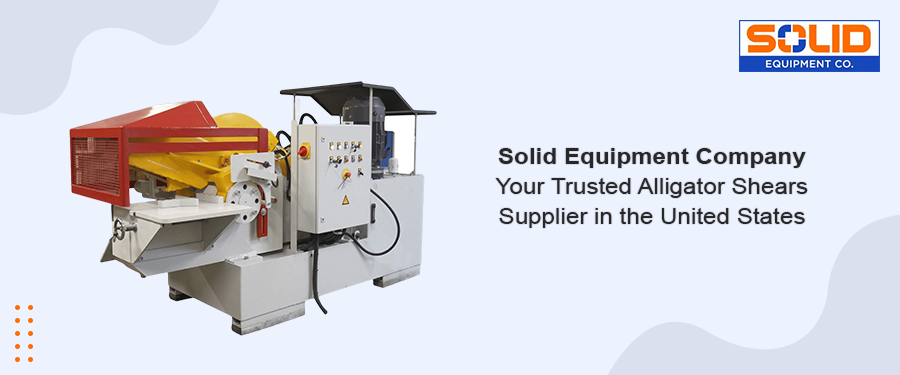
Solid Equipment Company is a trusted name in the industry, known for supplying high-quality alligator shears and other industrial recycling equipment in the United States. Our selection includes new and used options to suit your budget and requirements.

Some of our popularly sold alligator shear equipment include:

Contact us at 866-948-5406 to explore our range of alligator shears and find the perfect fit for your business. Invest in efficiency and precision with Solid Equipment Company today.

alligator shear supplier
Our selection includes new and used options to suit your budget and requirements.

Choosing the Right Wire Stripper for Your Industrial Recycling Needs

We supply high-quality wire stripper from the industry’s best brands.

Efficiency and precision are paramount in industrial recycling. Wire strippers are essential for electrical contracting, telecommunications, and industrial recycling industries. They help remove the insulation from wires, allowing for easier handling and recycling of valuable copper, aluminum, or other conductive materials.

When processing large quantities of scrap wire, selecting the right wire stripper equipment can significantly impact your operation’s productivity and profitability.

In this blog, we will discuss the crucial factors to consider when choosing the perfect wire stripper for your industrial recycling needs.

1. Wire Types and Sizes

The wire stripper machine you choose must be ideal for the wires you will be dealing with. Industrial recycling facilities often handle a wide range of wires, from thin, flexible cables to thick, rigid power lines.

To ensure versatility, look for a wire stripper that can accommodate various wire diameters and materials, including copper, aluminum, and even armored cables.

2. Capacity and Speed

The throughput capacity of a wire stripper is a vital factor, especially for high-volume recycling operations.

Consider the number of wires you need to process per hour and choose a machine that can handle your workload. Look for adjustable feed rates and cutting speeds to optimize productivity while maintaining quality.

3. Automation Level

Different wire strippers offer varying levels of automation. Manual strippers require more labor but may be suitable for smaller operations. Semi-automatic machines can handle a moderate workload, while fully automatic strippers can process large volumes with minimal human intervention.

Automation can greatly enhance efficiency in your recycling process. Your choice will depend on your facility’s size and budget.

4. Precision and Quality

Maintaining wire quality during stripping is crucial, as damaged wires may yield lower profits in the recycling market.

Look for wire strippers equipped with precision cutting blades and depth-adjustment features. It ensures clean and accurate cuts, minimizing waste and maximizing the value of your scrap.

5. Durability and Maintenance

Industrial recycling equipment should be built to withstand the rigors of continuous operation.

Opt for wire strippers made from durable materials, such as stainless or hardened steel, with easy-to-maintain components and accessible replacement parts to minimize downtime and reduce long-term costs.

6. Safety Features

Safety should always be a top priority in any industrial setting. Choose a wire stripper equipment with appropriate safety features, such as emergency stop buttons, protective guards, and safety interlocks to prevent accidents and injuries.

7. Environmental Impact

Sustainability is becoming increasingly important in the recycling industry. Some wire stripping machines are designed with eco-friendly features, such as energy-efficient motors or waste management systems that collect and separate scrap materials for recycling or disposal.

These environmentally conscious options reduce your carbon footprint and provide potential cost savings.

8. Cost and Budget

While high-quality wire strippers may come with a higher initial cost, their efficiency and durability can pay off over time through increased productivity and reduced maintenance expenses.

Calculate the total cost of ownership, including operational costs, to make an informed decision.

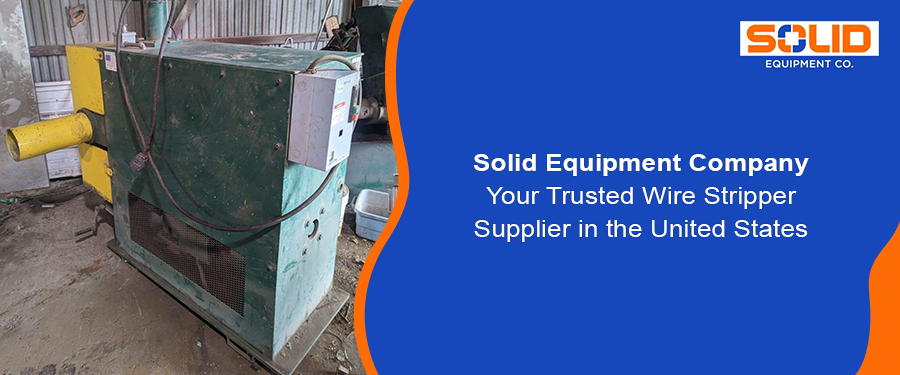
Solid Equipment Company – Your Trusted Wire Stripper Supplier in the United States

For reliable and efficient wire strippers for your business in the United States, look no further than Solid Equipment Company. We supply high-quality wire stripping equipment from the industry’s best brands that can streamline your wire recycling and processing operations and maximize your productivity.

Our wire stripping equipment is designed with advanced technology and precision engineering to deliver exceptional performance and durability. Make the smart choice for your business – choose Solid Equipment Company for all your wire stripping needs.

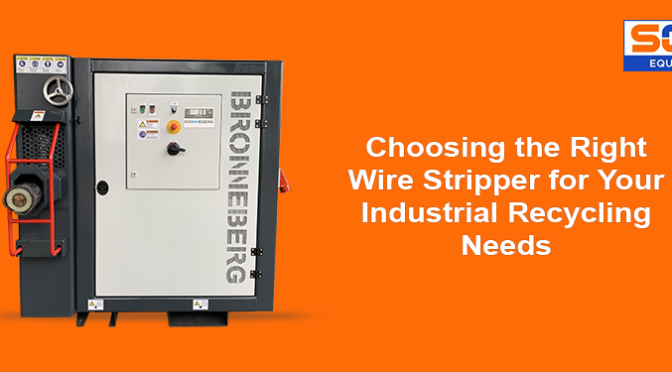
Bronneberg Kab-W Wire Stripper

Designed to handle the toughest cables, this industrial-grade machine is a game-changer for those in the recycling industry.

With the Kab-W, you can effortlessly strip various wire types, including stainless jackets, steel mesh armored cable, steel tape armored cable, cables with lead insulators, and thick nylon-ridged cables used for high-voltage applications. The machine’s deep, hardened gripping wheels ensure easy cleaning and efficient wire stripping.

Specifications:

Motor: Electric 208-480, 10HP

Dimensions: 80”x55”x75”

Weight: 2,500 lbs.

Production Capacity: 32′ per minute

Cable Size: 1.2″ to 7″ diameter

For those seeking an efficient and reliable wire stripping solution, the Bronneberg Kab-W Wire Stripper is a testament to modern industrial recycling equipment.

To learn more about the Kab-W Wire Stripper or to make a purchase, contact Solid Equipment Company at 855-907-2617. Experience the efficiency and profitability this machine can bring to your wire recycling endeavors.

wire stripper machine supplier
We supply high-quality wire stripping equipment from the industry’s best brands.

More to read in Solid Equipment Company Blog

Revolutionizing Your Recycling Process with a Wire Stripping Machine

The Benefits of Buying Used Recycling Equipment from a Trusted Supplier
A Guide to Finding Reliable Suppliers for Recycling Machinery and Equipment in the USA

The Benefits of Optical Sorting Machines in the Recycling Industry

Optical sorting machines offer speed and precision, surpassing manual sorting methods.

Modern technologies have ushered in a new era of efficiency and precision in the recycling industry. Gone are the days of manual sorting; thanks to optical sorting technology, materials can now be detected, recognized, and separated with unparalleled accuracy.

Let’s learn more about optical sorting machines, exploring their applications beyond Material Recovery Facilities (MRFs), their benefits, and how they transform the waste and recycling industry.

The Growing Need for Efficient Sorting

With a burgeoning global population, the demand for comprehensive material recovery programs continues to rise.

Global industrial waste management market size was valued at  USD 83.25 Billion in 2021 and is poised to grow to USD 133.65 Billion by 2023. From electronics to cardboard, the waste industry centers around one crucial operation: effective sorting.

Effective sorting drives quality up and contamination down and propels the recycling and recovery economy forward. As product compositions constantly evolve, sorting systems must adapt equally.

Expanding Horizons: Beyond MRFs

Optical sorting technology has transcended its origins in MRFs and has found applications across diverse sectors of the waste and recycling industry. Optical sorting has proven its versatility, whether it’s sorting food waste, metals, fibers, construction and demolition debris, or even electronics.

The Need for Speed and Precision

In most processing scenarios, the sheer volume of incoming materials necessitates high-speed sorting equipment. Simultaneously, the greatest value is derived from the purest, least contaminated streams.

For many MRFs, this apparent contradiction is resolved through automatic sorting equipment.

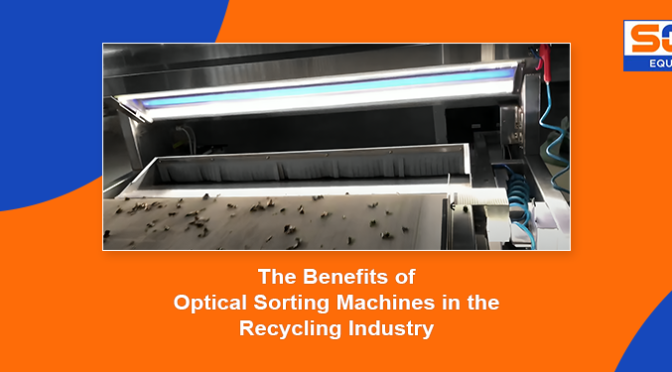
Optical sorting machines emerge as the heroes of this story, offering both speed and precision that surpass manual sorting methods.

How Optical Sorting Machine Works

The operation of an optical sorter is elegantly simple: materials on a conveyor belt zoom past a powerful light source at high speeds.

As they traverse this illuminated path, the materials absorb part of the light’s wavelength while the rest is reflected and captured by specialized lenses. These lenses then transmit the captured data to a spectrometer and camera, associating each reading with a distinct curve, creating a unique “signature” for each material.

This signature-based approach is the key to the optical sorter’s ability to detect and differentiate between various types of materials.

Benefits of Optical Sorting Machines in the Recycling Industry

Enhanced Sorting Accuracy

Optical sorting machines utilize high-resolution cameras and advanced sensors to identify and classify materials accurately. This level of precision ensures that recyclables are sorted correctly, reducing contamination and improving the overall quality of the recycled materials.

Increased Throughput

These machines can sort thousands of items per minute, significantly increasing the throughput of recycling facilities. This higher efficiency translates to reduced labor costs and faster material recovery.

Improved Quality Control

Maintaining the quality of recycled materials is essential for their marketability and usability. Optical sorting machines can identify and remove contaminants, such as non-recyclable plastics and foreign objects, ensuring the end product meets stringent quality standards.

Cost Savings

While the initial investment in optical sorting technology may seem significant, it pays off in the long run. Recycling facilities can achieve substantial cost savings over time by reducing labor costs, minimizing material loss, and enhancing overall efficiency.

Environmental Benefits

The recycling industry’s primary goal is to reduce the environmental impact of waste disposal. Optical sorting machines play a vital role in achieving this goal by increasing the recycling rate and reducing waste sent to landfills or incineration facilities. This, in turn, conserves natural resources and reduces greenhouse gas emissions.

Versatility

Optical sorting machines are highly versatile and can be customized to sort a wide range of materials, including plastics, paper, glass, metals, and even electronic waste. This adaptability makes them suitable for various recycling applications and ensures that valuable resources are recovered efficiently.

Data Collection and Analysis

Optical sorting machines in the modern era have data collection and analysis capabilities. They can track and record data on material composition, throughput rates, and sorting accuracy. You can use this data to optimize recycling processes and make informed decisions for facility management.

Reduction in Manual Labor

Optical sorting machines reduce the need for manual labor in the sorting process. This cuts labor costs and provides a safer and healthier working environment for employees by minimizing their exposure to potentially hazardous materials.

Consistent Performance

Unlike human sorters, optical sorting machines maintain consistent performance levels 24/7. They do not experience fatigue or distraction, ensuring reliable and continuous operation throughout the recycling process.

Meeting Regulatory Requirements

Many regions have strict regulations and recycling targets in place to promote sustainability. Optical sorting machines help recycling facilities meet these requirements by increasing efficiency, improving material quality, and reducing waste sent to landfills.

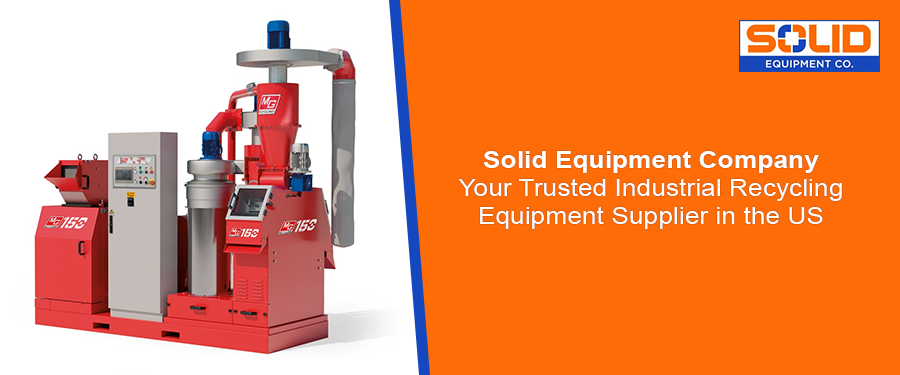
Solid Equipment Company: Your Trusted Industrial Recycling Equipment Supplier

Integrating optical sorting technology is more than a step forward; it’s a leap toward a greener, more sustainable future.

If you are looking for an Optical Sorting Equipment supplier in the United States, look no further than Solid Equipment Company.

With a commitment to providing innovative solutions for industrial recycling, we assist recycling facilities in achieving their operational goals efficiently and sustainably.

Contact us  today at 855-907-2617 to explore our range of optical sorting machines.

optical sorting machine supplier
We assist recycling facilities to achieve their operational goals efficiently and sustainably.

More to read in Solid Equipment Company Blog

The Role of Industrial Recycling Equipment in Waste Reduction and Management

The Benefits of Buying Used Recycling Equipment from a Trusted Supplier
A Guide to Finding Reliable Suppliers for Recycling Machinery and Equipment in the USA