Category Archives: Industrial Recycling

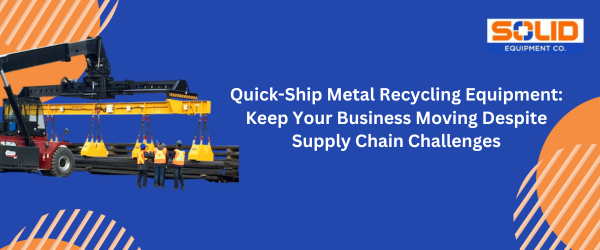
Quick-Ship Scrap Metal Recycling Equipment: Keep Your Business Moving Despite Supply Chain Challenges

In today’s unpredictable economy, delays in global supply chains can grind even the most efficient recycling operations to a halt. For metal recyclers, staying ahead of international tariffs, shipping disruptions, and inventory shortages means having a reliable, U.S.-based partner with quick-ship scrap metal recycling equipment in stock and ready to go.

As a leading provider of in-stock metal recycling machines, Solid Equipment helps businesses maintain supply chain efficiency and adapt to changing market conditions by offering domestic solutions that deliver speed, reliability, and long-term value.

A Reliable Source of U.S.-Based Inventory

Many businesses are still dealing with the ripple effects of global supply chain disruptions. Delays in sourcing equipment from overseas suppliers and fluctuating international pricing can slow down operations and lead to costly downtime. Solid Equipment Company offers a proactive solution by maintaining U.S.-based inventory of critical scrap metal recycling equipment for sale, including:

These machines are in-stock, ready to ship, and priced based on 2024 rates—offering predictable costs and immediate availability. Unlike many suppliers, Solid Equipment doesn’t raise prices on in-stock items, even as global tariffs shift. This commitment to pricing stability sets us apart and supports better supplier relationship management.

Upgrading Materials In-House to Avoid Outsourcing Risks

One of the most significant trends in sourcing in supply chain management is the shift away from overseas metal processing. With rising tariffs and transportation costs, more recyclers are turning to in-house processing. Solid Equipment makes this transition possible by supplying scrap metal processing equipment that allows recyclers to upgrade scrap metal directly at our facility.

Whether you’re looking to separate metals from plastics or refine lower-value materials into high-grade product, Solid Equipment provides the tools and training to help. Our machinery supports the full scrap metal separation process, from shredding to sorting, enabling recyclers to improve profit margins and reduce dependency on international vendors.

Used Equipment: A Smart Investment for Supply Chain Efficiency

Another way Solid Equipment helps clients improve supply chain sourcing is by offering a wide selection of used recycling equipment. Used machines come with significant cost savings and are available much faster than new equipment sourced internationally.

Choosing used doesn’t mean sacrificing quality. Solid Equipment thoroughly inspects, tests, and refurbishes all used scrap metal recycling machines before sale. These machines help operations get up and running quickly, and our availability supports more resilient and flexible sourcing and supply chain management strategies.

Training, Support, and On-Site Troubleshooting

Beyond just selling scrap metal recycling equipment, Solid Equipment is known for its outstanding customer service and on-site training. For complex machines like granulators or optical sorters, the company provides expert operational and maintenance training—ensuring your team gets the most out of every investment.

If problems arise, our head technician, based in Indiana, is centrally located to travel anywhere in the country for troubleshooting. Whether you’re experiencing sorting inefficiencies or need guidance on optimal use, you’ll get fast, knowledgeable support that helps keep your business moving.

Why Now Is the Time to Act

Global trends suggest that processing metal overseas may soon become less viable due to continued tariff enforcement and logistical challenges. Solid Equipment believes this creates a major opportunity for recyclers to invest in in-house metal processing machines—a move that promises better margins, greater control, and long-term sustainability.

If you’re ready to improve your supply chain management, reduce reliance on foreign vendors, and speed up your operations, now is the time to connect with Solid Equipment. Our team can guide you through machine selection, training, and implementation so you’re equipped to handle today’s challenges—and tomorrow’s opportunities.

A Stable Supplier for an Unstable Market

With rising costs, unpredictable shipping times, and growing demand for scrap metal processing, it’s more important than ever to work with a used recycling equipment supplier who has quick-ship, in-stock U.S.-based inventory and the expertise to support your operations. Solid Equipment is that supplier—helping businesses across the country maintain performance and profitability through smart, responsive supply chain solutions.

Reach out to us for more in-stock recycling machine updates and information.
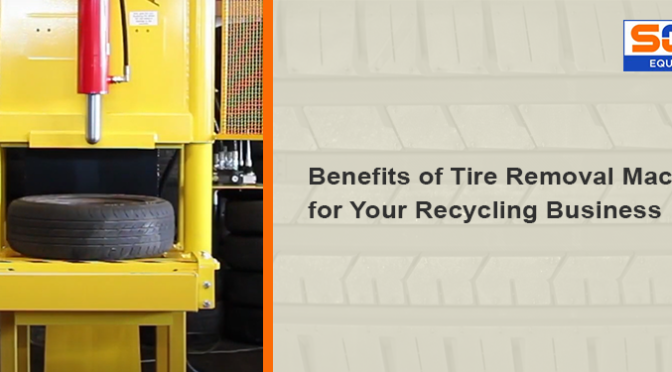
Benefits of Tire Removal Machines for Your Recycling Business

Tire removal machine is an innovative solution to revolutionize your recycling business.

Picture this: a bustling recycling business where mountains of discarded tires are transformed into valuable resources. As an entrepreneur in the recycling industry, you understand the challenges of efficiently managing tire disposal. But what if we told you there’s a game-changing solution that can streamline your operations, boost productivity, and maximize profits?

Enter the tire removal machine—a cutting-edge innovation to revolutionize your recycling business. Let’s explore the myriad benefits of incorporating tire removal equipment into your operations, empowering you to elevate your recycling game to unprecedented heights.

Enhanced Efficiency and Productivity

Efficiency is the backbone of any successful recycling business, and tire removal machines excel in this aspect. With their advanced technology and automated processes, these machines can significantly reduce labor requirements and streamline the tire removal process.

Gone are the days of manually disassembling tires, which are time-consuming and physically demanding. By harnessing the power of tire removal equipment, you can enhance productivity, accelerate processing times, and allocate your resources more effectively.

Superior Safety Measures

Ensuring a safe working environment is paramount in any recycling facility, and tire removal machines prioritize safety. These machines have robust safety features, such as emergency stop buttons, safety sensors, and protective shields.

By eliminating the need for manual intervention during the tire removal process, you minimize the risk of accidents, injuries, and worker fatigue. With enhanced safety measures, you can protect your employees while maintaining a seamless workflow.

Optimal Tire Separation and Sorting

It employs cutting-edge technology to achieve optimal separation and sorting of tires, making the recycling process more efficient and cost-effective. These machines streamline subsequent recycling stages by automatically segregating tires based on size, type, and condition.

The sorted tires can be processed into valuable materials like rubber granules, crumb rubber or even used for energy generation. The precision and accuracy of the equipment eliminate the guesswork, ensuring a higher-quality end product.

Environmental Sustainability

Recycling businesses play a crucial role in preserving our planet’s resources, and tire removal machines contribute to this noble cause. By efficiently removing and processing tires, these machines minimize waste and facilitate the recycling of valuable materials.

It reduces the strain on landfills, conserves energy, and reduces greenhouse gas emissions associated with tire disposal. Incorporating this equipment into your operations showcases your commitment to environmental sustainability, which can resonate with eco-conscious customers and stakeholders.

Cost Savings

In addition to environmental benefits, tire removal machines offer significant cost savings for your recycling business. Automating the tire removal process eliminates the need for manual labor, which can be expensive and time-consuming.

These machines’ efficient sorting and separation capabilities optimize material utilization, reducing waste and maximizing the value of recycled materials. Over time, the cost savings from increased efficiency and resource optimization can substantially impact your bottom line.

As you can see, tire removal machines are a game-changer for recycling businesses, providing myriad benefits ranging from increased efficiency and productivity to superior safety measures and environmental sustainability.

Investing in these advanced machines positions your business for success in a rapidly evolving industry. To explore top-notch tire removal equipment and other cutting-edge recycling equipment, look no further than Solid Equipment Company.

We bring a selection of the best industrial recycling equipment from the industry’s top brands, making us the go-to partner for recycling businesses seeking to elevate their operations to new heights. Embrace the power of tire recycling machines and revolutionize your business today! Contact us now.

Trust Solid Equipment Company for Industrial Recycling Equipment
Solid Equipment Company is a trusted source for top-notch tire removal machines and other cutting-edge recycling equipment in the United States.

More to read in Solid Equipment Company Blog

5 Benefits of Using Cross Belt Magnets in Your Industrial Recycling Process

Choosing the Right Scrap Handling Equipment for Your Business: A Buyer’s Guide

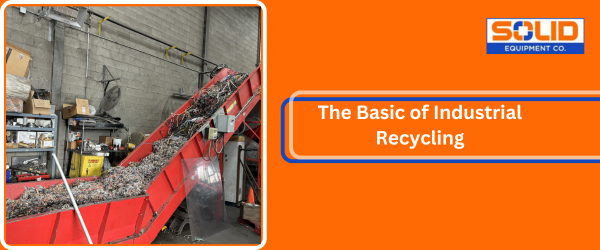
The Basics of Industrial Recycling

Every industry—from manufacturing and medicine to agriculture and energy products—generates reusable and recyclable materials. Much like household waste, including cardboard, paper, aluminum cans, and plastic containers, industrial waste is considered a valuable commodity. Using the correct processes and equipment, industrial waste can easily be reused or recycled.

What is Industrial Recycling?

Industrial recycling is the process of re-incorporating valuable secondary materials generated from industrial processes into newly manufactured products. Depending on what waste your industry produces, you may be able to reuse these materials in your company processes or sell them to another company that can use them. Examples of recyclable industrial waste include:

  • Scrap and residuals from production processes
  • Coal combustion products
  • Construction and demolition debris
  • Products that have been recovered at the end of their useful life, including appliances, motor vehicles, and tires

Industrial Recycling: An Effective Part of Waste Stream Management

Many industries focus on curbing their energy and water consumption during the manufacturing process. While noble, these goals often overshadow the impact that material disposal can have on the economy, human health, and the environment.

Proper waste stream management is a sustainability effort that can have tremendous benefits when implemented properly. Consider that industrial recycling is an effective part of waste stream management. Any waste that cannot be prevented or reused should be recycled to divert it away from landfills.

What is Beneficial Use?

Hundreds of millions of tons of non-hazardous secondary materials are disposed of each year. This comes at a substantial cost, both to the company generating the waste and the companies that must purchase more expensive raw materials because recycled goods aren’t available. Many of the industrial byproducts that end up in landfills have the potential to be recycled—or beneficially used—instead of going to waste.

Beneficial use is when recycled materials are substituted for raw materials in such a way that:

  • Provides beneficial functionality
  • Meets performance standards
  • Does not pose a risk to human health or the environment

Examples of industrial waste recycling for beneficial use include:

  • Using coal fly ash in place of Portland cement in concrete
  • Substituting desulfurization gypsum for mined gypsum in drywall
  • Utilizing spent foundry sands and slag in soil-related applications, such as base material at construction sites
  • Recycling crushed concrete and asphalt from construction projects for use as aggregate in new pavement

Common Industrial Recycling Equipment

Using the proper industrial recycling equipment contributes to a more efficient, profitable business. Consider some of the most common tools in use today:

  • Wire granulators recover the valuable copper and aluminum found inside industrial cables and wiring.
  • Hydraulic shears reduce scrap metal to a more manageable size.
  • Wire strippers strip and separate wiring of various diameters and materials.
  • Vehicle recycling equipment is used to drain, dismantle, separate, depollute, and recycle cars. Examples include vehicle tilting tables, fuel extractors, airbag deployers and wheel poppers.
  • Scrap balers make it easy to compress large metal objects into smaller, more transportable pieces.
  • Roll splitters are used to cut surplus or defective aluminum coils and other packing material reels.
  • Hammer mills break up everything from electric motors and transformers to green boards and copper meatballs.
  • Magnets help purify the product stream by separating metal from other recyclable materials, including plastic, rubber, paper, and wood.

Benefits of Industrial Recycling

Because of the potential for numerous economic, environmental, and performance benefits of industrial recycling, every company should pursue appropriate beneficial uses for the secondary materials they generate. Some of the advantages of doing so include:

  • Reduced costs: Everyone involved in the industrial recycling process saves money. The companies generating the waste reduce costs by reusing or reselling byproducts that would otherwise be thrown away. The companies purchasing secondary materials receive a discount compared to buying raw materials.
  • Conserved natural resources: When waste products are reused, it reduces the need to produce new raw materials, minimizing the dependence on virgin resources.
  • Fewer greenhouse gas emissions: Municipal solid waste landfills are the third-largest source of human-related methane emissions in the US. By reducing landfill volume, industrial recycling can help slow global climate change. The recycling process also usually emits fewer pollutants than the extraction and production of new materials.
  • Improved public perception: If your company strives to be a good corporate citizen, participating in industrial recycling brings you another step closer to this goal.

Industrial recycling rules and regulations vary across North America. If your business is looking for opportunities to reuse and recycle secondary materials, contact your local environmental protection office for more information.

You also need access to the proper industrial recycling equipment for the job. The specialists at Solid Equipment Company can help you identify the best machines to satisfy any industrial recycling challenge.

Call 866-948-5406 to discuss your industrial recycling needs with a knowledgeable industry expert.