Category Archives: Hydraulic Shears

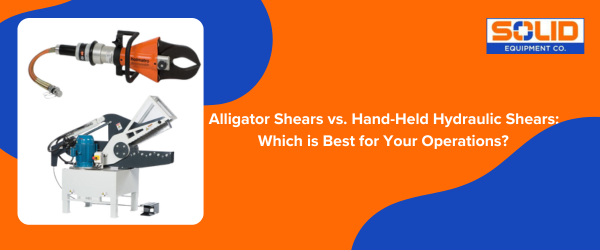
Alligator Shears vs. Hand-Held Hydraulic Shears: Which is Best for Your Operations?

When selecting the right tool for your scrap processing and recycling operations, the choice of alligator shears vs. hand-held hydraulic shears is critical for efficiency. Both tools have distinct advantages depending on your needs, but knowing which is best suited for your specific operation requires an understanding of their capabilities and ideal use cases.

Alligator Shears: Power and Precision in Bulk Processing

Alligator shears are heavy-duty industrial cutting tools with a hinged jaw designed to cut through tough materials, including metal scrap, rebar, and large non-ferrous pieces like radiators and catalytic converters. The “alligator” name comes from their appearance, as they resemble an alligator’s jaw. These shears are typically stationary, meaning the material is brought to the machine rather than moving the tool around. This makes alligator shears ideal for high-volume, stationary scrap processing operations

 Key Benefits:

  • Powerful Cutting Force: Alligator shears can apply up to 250 tons of force, depending on the model. This makes them suitable for heavy-duty applications, such as cutting high-tensile strength metals, stainless steel, and even titanium. 
  • Efficient Scrap Processing: The robust hydraulic system allows for the efficient cutting of large or long stock pieces. From radiators to rebar, these shears can handle significant volumes of scrap with ease.
  • Versatility in Material Handling: Whether you’re dealing with copper, brass, aluminum, or catalytic converters, alligator shears offer adaptability to different materials, helping to clean and prepare scrap for further recycling processes. 


Best for:

Alligator shears are best suited for scrap yards or recycling centers where the procession of large bulky materials is frequent. They excel in high-volume operations that require heavy-duty shearing power to handle materials such as rebar, or other large metal pieces. Since these shears are stationary, they are perfect for businesses where portability isn’t necessary. 

Hand-Held Hydraulic Shears: Portability and Precision 

Hand-held hydraulic shears, on the other hand, are compact, portable tools designed for precision cutting in spaces where larger machinery would be impractical. These shears are ideal for cutting metal in locations that aren’t easily accessible or where stationary shears are not feasible, such as dismantling large appliances, cutting wire bundles, or disassembling car bodies on-site. 

Key Benefits:

  • Portability: Their lightweight and mobile nature make them perfect for work in confined spaces or when dismantling large items that can’t be easily transported. 
  • Precision Cutting: Despite their smaller size, hand-held hydraulic shears provide high precision and cutting strength, making them ideal for cutting through wires, pipes, or smaller scrap materials. 
  • Ease of Use: With a simple, user-friendly design, operators can quickly cut through materials without needing to reposition large pieces of scrap.  


Best for:

Hand-held hydraulic shears are ideal for more mobile operations that require portability and precision. These shears work well for on-site dismantling tasks, particularly in confined or hard-to-reach spaces. They are commonly used in smaller recycling operations or by teams needing to cut wire bundles, appliances, or medium-sized scrap materials. Their portability makes them practical for projects where moving materials to a stationary machine isn’t feasible.

When to Choose Alligator Shears vs. Hand-Held Hydraulic Shears 

The decision between alligator shears and hand-held hydraulic shears comes down to the size of your operation, the materials you’re processing, and your specific application needs. 

For high-volume, stationary operations

shears are a clear winner. Their capacity to handle heavy-duty materials with a significant amount of force makes them indispensable for large scrap processing businesses. If your operations involve high-tensile metals, radiators, or catalytic converters, the power and efficiency of alligator shears are hard to beat.

For portable, precision cutting 

If you’re processing smaller scrap materials, or you need a tool that can easily be transported from one job site to another, hand-held hydraulic shears will be the better choice. Their ease of use, precision, and mobility make them ideal for dismantling and cutting tasks in tight or hard-to-reach areas. 

Combining Both for Optimal Efficiency 

In some cases, the best solution might be a combination of both alligator shears and hand-held hydraulic shears. Large scrap processing operations can use alligator shears for bulk cutting and heavy-duty materials, while hand-held hydraulic shears handle more delicate, precise tasks or situations requiring portability. This combined approach equips you to manage a variety of materials and applications, boosting overall efficiency in scrap processing.

Conclusion 

Choosing the right tool for your recycling equipment needs is crucial for optimizing your operations. Alligator shears offer unmatched power and efficiency for processing large and tough materials, making them ideal for bulk scrap processing. On the other hand, hand-held hydraulic shears provide the precision and portability needed for more flexible operations. Understanding the strengths and applications of each tool can help you make an informed decision that enhances your scrap processing workflow. 

Whether you need the power of alligator shears or the flexibility of hand-held hydraulic shears, Solid Equipment has the right tools for your needs. Contact us today to find the perfect solution for your scrap processing operations! 
Efficient Electric Motor Recycling: Enhance Your Returns with Advanced Technology

Electric motor recycling is essential for reclaiming valuable metals such as copper and aluminum. This process not only supports environmental sustainability but also offers an economical advantage by recovering expensive materials from discarded motors. 

Advanced Recycling Machines

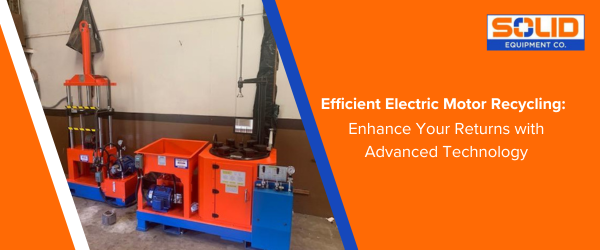
The Electric Motor Recycling Machine, offered by Solid Equipment Company is designed to streamline the recycling process. These robust machines employ a three-step system to dismantle electric motors, separating the outer casing, splitting the stator into equal parts and extracting the copper from each half. 

Benefits of In-House Recycling 

By incorporating these advanced machines into their operations, companies can significantly reduce labor costs and enhance the speed of their recycling processes. The machines are user-friendly and safe, making them an excellent investment for businesses aiming to handle their recycling needs internally. 

With both new and used recycling equipment available from Solid Equipment company, you have options to choose from within multiple budget ranges.  

Conclusion: A Smart Investment

Investing in recycling machines for electric motors not only supports environmental efforts but also boosts profitability. With high recovery rates of valuable metals, these machines present a compelling option for companies looking to enhance their operational efficiency and economic returns.

For more detailed information, visit Electric Motor Recycling Machines

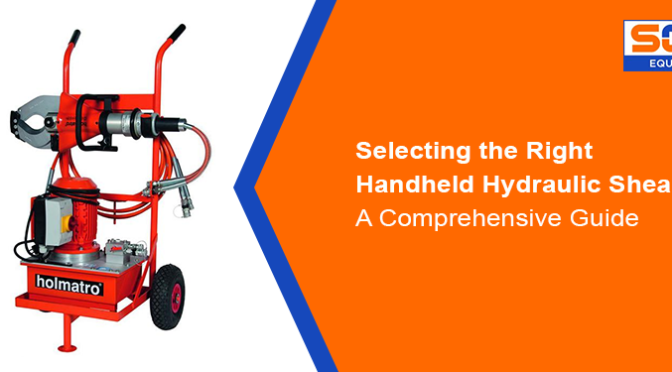
Selecting the Right Handheld Hydraulic Shears: A Comprehensive Guide

Handheld hydraulic shears have become a vital force in industries like construction, demolition, recycling, and scrap metal processing

When it comes to industrial cutting tools for heavy-duty cutting tasks, handheld hydraulic shears are a game-changer. They are like superheroes of the hydraulic cutting tools world, equipped with extraordinary strength and precise accuracy. With the ability to slice through tough materials like a hot knife through butter, they have become indispensable in industries ranging from construction and demolition to recycling and scrap metal processing.

However, with numerous available options, choosing the right handheld hydraulic industrial shears can be daunting. In this comprehensive guide, we’ll walk you through the key factors to consider, ensuring you make an informed decision for your needs.

Understand Your Cutting Requirements

Before diving into the selection process, it’s crucial to identify your cutting requirements. Consider factors such as the material to be cut, its thickness, and the volume of work. This understanding will help you determine the appropriate size, power, and cutting capacity of the handheld hydraulic shears required.

Consider the Power Source

Handheld hydraulic shears are available in various power options. The most common types include hydraulic-powered shears, battery-powered shears, and electric-powered shears. Each power source has its advantages and limitations.

Hydraulic-powered shears offer superior cutting force, making them ideal for heavy-duty applications. Battery-powered shears provide portability and convenience, while electric-powered shears are suitable for indoor or low-noise environments. Choose the power source that aligns with your specific needs and working conditions.

Evaluate Cutting Force and Blade Design

The cutting force of handheld hydraulic shears is a crucial factor to consider. It determines the shears’ ability to cut through different materials and thicknesses. The hydraulic system and the blade design influence the cutting force. Shears with high-quality blades are durable and easily replaceable. Choose blades with various edge configurations, such as straight, serrated, or interchangeable, to accommodate different cutting tasks.

Check Cutting Capacity and Jaw Opening

The cutting capacity and jaw opening of handheld hydraulic shears play a vital role in determining their versatility. Consider the maximum diameter or width of the material you’ll be cutting.

The shears you choose should have an adequate cutting capacity to handle your needs. A larger jaw opening allows you to cut larger objects and improves overall operational efficiency.

Assess Portability and Ergonomics

Portability and ergonomics are essential considerations, especially if you require frequent mobility or long working hours. Lightweight handheld hydraulic shears are easy to carry and maneuver. Shears with a compact design that allows access to confined spaces, making them easy to handle. Ergonomic features such as comfortable handles and vibration-dampening systems can reduce operator fatigue and increase productivity.

Safety Features

Safety should always be a top priority when selecting any cutting equipment. Ensure the handheld hydraulic shears have safety features such as a blade guard, overload protection, and a two-hand operation mechanism. These features prevent accidents and injuries, ensuring a safe working environment.

Consider Maintenance and Serviceability

Consider their maintenance and serviceability requirements for the longevity and optimal performance. Ideally, shears should be easy to clean and maintain. Check if spare parts are readily available and if the manufacturer provides timely customer support and service options.

By understanding your specific needs and evaluating these factors, you can make an informed decision that maximizes productivity and efficiency in your cutting operations.

When it comes to reliable and high-quality shears, Solid Equipment Company is a trusted supplier in the industry. With their extensive range of cutting-edge equipment and a commitment to customer satisfaction, Solid Equipment Company provides top-notch solutions for all your cutting needs.

Visit their website or contact their experienced team today to find the perfect shears for your business.

Handheld hydraulic shears
For high-quality handheld hydraulic shears, trust Solid Equipment Company

More to read in Solid Equipment Company Blog

Alligator Shears for Recycling & Scrap Processing

Factors to Consider When Choosing Shears for Cutting Catalytic Converters

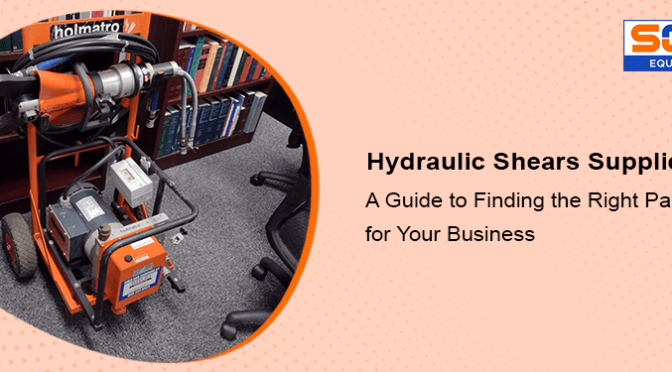
Hydraulic Shears Suppliers: A Guide to Finding the Right Partner for Your Business

Hydraulic Shears Suppliers: A Guide to Finding the Right Partner for Your Business

Hydraulic shears are a critical piece of equipment for the metalworking and recycling industries.

Hydraulic shear is a critical piece of equipment for many businesses, particularly those in the metalworking and recycling industries. These powerful machines make it easy to cut through large sheets of metal, plastic, or other materials and are essential for any company looking to streamline its production processes.

Finding the right hydraulic shear supplier for your business needs is important. In this article, we’ll provide a comprehensive guide to help you find the right partner for your business.

Identifying Your Needs for Hydraulic Shears

Before you start looking for a hydraulic shear supplier, it’s essential to identify your needs. Ask yourself the following questions:

  • What types of materials will you be cutting?
  • What is the thickness of the materials you will be cutting?
  • How much production capacity do you need?
  • What is your budget?

Answering these questions will help you understand your requirements and narrow your options. When you know what you want, finding a supplier to meet your specific needs is easier,

Researching Suppliers

Once you have identified your needs, it’s time to start researching hydraulic shear suppliers. There are several ways to go about this, including:

Online research:

A quick search on Google will reveal many hydraulic shear suppliers. Take some time to browse their websites and learn more about their products and services. Read their customer reviews and testimonials to get an idea of the quality of their product and customer service from previous buyers.

Industry events:

Attending industry events and conferences is an excellent way to meet suppliers face-to-face and learn more about their products.

Referrals:

If you know other businesses that use hydraulic shears, ask them for referrals. Word-of-mouth recommendations can be incredibly valuable in this industry.
When researching suppliers, look for companies with a strong industry reputation and a proven track record of delivering high-quality products and services.

Evaluating Products

Once you have a list of potential suppliers, it’s time to evaluate their products. Look for suppliers offering a wide range of hydraulic shears, including new and used models. Make sure that the shears they offer are designed to handle the materials you will be cutting and that they have the production capacity you need.

Look for suppliers who partner with reputable manufacturers and who use high-quality materials in their products. Warranties and after-sales support are also important.

Evaluating Services

Hydraulic shears can be complicated machines, so your supplier must offer installation and training services to ensure your staff can operate the equipment safely and efficiently.

The equipment is also a significant investment, so having financing options to make the purchase more manageable is also important.

By identifying your needs, researching suppliers, and evaluating their products and services, you can find a supplier to help you streamline your production processes and improve your bottom line.

Solid Equipment Company: Your Hydraulic Shear Partner

If you’re looking for a hydraulic shear supplier that checks all the boxes, look no further than Solid Equipment Company. With years of experience as a leading recycling equipment supplier in the United States, Solid Equipment Company has a proven track record of delivering high-quality products to businesses of all sizes.

Solid Equipment Company offers a wide range of hydraulic shears, including new and used models, to meet the needs of any business. With their commitment to customer service and years of industry experience, we are the right partner for any business looking to invest in hydraulic shears. Contact today!

choosing the right hydraulic shears supplier for your business Our experienced team can help you to choose the right hydraulic shears for your needs

More to read in Solid Equipment Company Blog

A Guide to Finding Reliable Suppliers for Recycling Machinery and Equipment in the USA

Choosing the Right Scrap Handling Equipment for Your Business: A Buyer’s Guide