Category Archives: Industrial Recycling Equipment

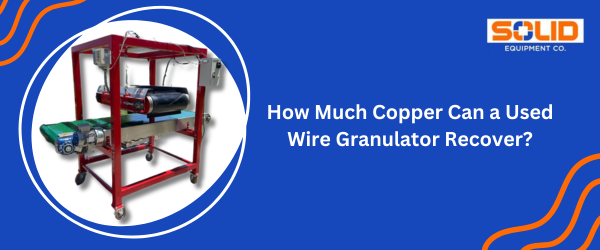
How Much Copper Can a Used Wire Granulator Recover?

For scrap recyclers and demolition crews, the value locked inside insulated copper wiring can add up fast—but only if you have the right equipment to unlock it. That’s where a used wire granulator can make a big difference. While brand-new machines can cost a significant chunk of capital, used copper granulators—when properly maintained and sourced from a trusted dealer—can recover up to 95–99% of copper content from scrap wire, often delivering performance that rivals brand-new models. 

What Is a Wire Granulator and How Does It Work? 

A wire granulator is a specialized piece of industrial recycling equipment designed to process waste electrical wiring and separate the copper from its insulation. Unlike a wire stripping machine, which removes insulation from individual wires, a copper wire granulator works by shredding bulk wire into small particles, then using air or water-based separation systems to isolate the metal from the plastic. 

This process, known as copper granulation, is especially effective for recovering copper from mixed or fine-gauge wires—where stripping would be inefficient or impossible. It’s widely used in scrap metal recovery operations across industries like construction, demolition, and electronics recycling. 

What Types of Wire Can It Process? 

A quality scrap copper wire granulator machine can handle a variety of materials, including: 

  • Automotive wiring harnesses 
  • Household electrical cables 
  • Communication and data cables 
  • Demolition scrap wire 
  • Mixed wire from recycling centers 


Some of the best copper wire granulator systems are even equipped to handle aluminum wiring or wires with unusually thick insulation. But copper remains the star of the show, with high-purity copper recovery being the goal of most operators. 

Copper Recovery Rates: Why 95–99% Matters 

The efficiency of a granulator is measured by its copper recovery rate—how much usable copper is recovered compared to how much was fed into the system. A low-end machine might only recover 70–80% of copper, leaving value on the table (or worse, in the landfill). But a well-maintained used copper granulator machine from a reliable manufacturer can easily reach 95–99% recovery rates, even after years of use. 

This level of precision translates into real dollars. Let’s say you process 1,000 pounds of scrap wire per week. At 99% recovery, you’re getting almost all of the copper—worth potentially thousands of dollars depending on market rates. At 85%, you’re losing up to 150 pounds per week, or the equivalent of hundreds in lost profit. 

Why a Used Wire Granulator Can Be a Smart Investment 

The term “used” doesn’t have to mean “inferior.” With the right servicing and inspection, a used wire granulator can offer near-new performance at a fraction of the cost. When sourced from a reputable dealer like Solid Equipment Company, these machines are thoroughly vetted for quality and reliability. 

Here are a few reasons budget-conscious buyers are turning to used equipment

  • Lower upfront investment: Reduce capital costs without sacrificing productivity 
  • Fast ROI: Shorten your break-even point thanks to immediate cost savings 
  • Proven durability: Trusted brands are built to last and perform over time 
  • Expert support: Get guidance on the right system for your volume, wire types, and recovery goals 


Browse our current inventory of used recycling equipment or see all wire granulators currently available. 

Real-World Output: What Can You Expect? 

Used wire granulators vary in capacity and output, depending on the model and condition. Here are some general performance benchmarks: 

Granulator Size: Compact (entry-level)

  • Input Capacity: 100-250 lbs/hr
  • Avg. Copper Recovery: 95-98%
  • Common Users: Small Shops, New Recyclers


Granulator Size: Mid-range

  • Input Capacity: 300-600 lbs/hr
  • Avg. Copper Recovery: 96-99%
  • Common Users: Scrap Yards, Demo Crews


Granulator Size: Industrial-Grade

  • Input Capacity: 1,000+ lbs/hr
  • Avg. Copper Recovery: 98-99%
  • Common Users: Recycling Centers, High-Volume Processors


Remember, the recovery rate depends not just on the machine, but also on the cleanliness of input material, consistent feed rate, and regular maintenance

Maintain for Maximum Value 

To get top performance out of a used wire granulator for sale, maintenance is key. Regularly replacing wear parts, cleaning out dust buildup, and inspecting the separation system can keep recovery rates high. A reputable dealer will often offer refurbished machines that are already serviced and ready to run, giving you a head start toward profitability. 

Learn more about the brands we carry and financing options that can make upgrading even easier. 

Why Trust Solid Equipment Company? 

At Solid Equipment Company, we specialize in pairing recyclers with the right industrial recycling equipment for their unique operations. Whether you’re looking for the best copper wire granulator for a growing business or a budget-friendly machine that delivers top-tier performance, our experts are here to help. We’ve written extensively about the top benefits of a wire granulator machine to help you make an informed decision. 

Ready to Unlock the Value in Your Scrap Wire? 

Don’t let high equipment costs slow down your recycling operation. A used wire granulator can offer a smart, efficient, and cost-effective way to recover high-purity copper from scrap wiring. Explore our product gallery or speak with an expert today to find the right fit for your business. 

Contact us today at 866-948-5406 to learn more or get help choosing a machine that matches your copper recovery goals. Your next smart investment in scrap metal recovery starts here. 
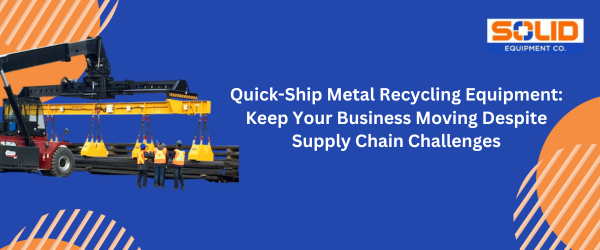
Quick-Ship Scrap Metal Recycling Equipment: Keep Your Business Moving Despite Supply Chain Challenges

In today’s unpredictable economy, delays in global supply chains can grind even the most efficient recycling operations to a halt. For metal recyclers, staying ahead of international tariffs, shipping disruptions, and inventory shortages means having a reliable, U.S.-based partner with quick-ship scrap metal recycling equipment in stock and ready to go.

As a leading provider of in-stock metal recycling machines, Solid Equipment helps businesses maintain supply chain efficiency and adapt to changing market conditions by offering domestic solutions that deliver speed, reliability, and long-term value.

A Reliable Source of U.S.-Based Inventory

Many businesses are still dealing with the ripple effects of global supply chain disruptions. Delays in sourcing equipment from overseas suppliers and fluctuating international pricing can slow down operations and lead to costly downtime. Solid Equipment Company offers a proactive solution by maintaining U.S.-based inventory of critical scrap metal recycling equipment for sale, including:

These machines are in-stock, ready to ship, and priced based on 2024 rates—offering predictable costs and immediate availability. Unlike many suppliers, Solid Equipment doesn’t raise prices on in-stock items, even as global tariffs shift. This commitment to pricing stability sets us apart and supports better supplier relationship management.

Upgrading Materials In-House to Avoid Outsourcing Risks

One of the most significant trends in sourcing in supply chain management is the shift away from overseas metal processing. With rising tariffs and transportation costs, more recyclers are turning to in-house processing. Solid Equipment makes this transition possible by supplying scrap metal processing equipment that allows recyclers to upgrade scrap metal directly at our facility.

Whether you’re looking to separate metals from plastics or refine lower-value materials into high-grade product, Solid Equipment provides the tools and training to help. Our machinery supports the full scrap metal separation process, from shredding to sorting, enabling recyclers to improve profit margins and reduce dependency on international vendors.

Used Equipment: A Smart Investment for Supply Chain Efficiency

Another way Solid Equipment helps clients improve supply chain sourcing is by offering a wide selection of used recycling equipment. Used machines come with significant cost savings and are available much faster than new equipment sourced internationally.

Choosing used doesn’t mean sacrificing quality. Solid Equipment thoroughly inspects, tests, and refurbishes all used scrap metal recycling machines before sale. These machines help operations get up and running quickly, and our availability supports more resilient and flexible sourcing and supply chain management strategies.

Training, Support, and On-Site Troubleshooting

Beyond just selling scrap metal recycling equipment, Solid Equipment is known for its outstanding customer service and on-site training. For complex machines like granulators or optical sorters, the company provides expert operational and maintenance training—ensuring your team gets the most out of every investment.

If problems arise, our head technician, based in Indiana, is centrally located to travel anywhere in the country for troubleshooting. Whether you’re experiencing sorting inefficiencies or need guidance on optimal use, you’ll get fast, knowledgeable support that helps keep your business moving.

Why Now Is the Time to Act

Global trends suggest that processing metal overseas may soon become less viable due to continued tariff enforcement and logistical challenges. Solid Equipment believes this creates a major opportunity for recyclers to invest in in-house metal processing machines—a move that promises better margins, greater control, and long-term sustainability.

If you’re ready to improve your supply chain management, reduce reliance on foreign vendors, and speed up your operations, now is the time to connect with Solid Equipment. Our team can guide you through machine selection, training, and implementation so you’re equipped to handle today’s challenges—and tomorrow’s opportunities.

A Stable Supplier for an Unstable Market

With rising costs, unpredictable shipping times, and growing demand for scrap metal processing, it’s more important than ever to work with a used recycling equipment supplier who has quick-ship, in-stock U.S.-based inventory and the expertise to support your operations. Solid Equipment is that supplier—helping businesses across the country maintain performance and profitability through smart, responsive supply chain solutions.

Reach out to us for more in-stock recycling machine updates and information.

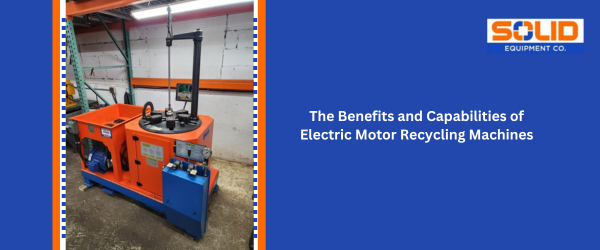
The Benefits and Capabilities of Electric Motor Recycling Machines

Electric motors are integral to countless devices, from household appliances to industrial machinery. As these motors reach the end of their operational life, they become valuable sources of recyclable materials, notably copper and aluminum. Efficiently extracting these materials requires specialized equipment: electric motor recycling machines. These machines not only enhance the efficiency of scrap metal recovery but also contribute significantly to environmental sustainability.

The Importance of Recycling Electric Motors

Recycling electric motors is a crucial aspect of industrial recycling solutions. Electric motors contain valuable components such as copper windings and aluminum structures, encased within steel or iron housings. By recycling these motors, we can recover these precious metals, reducing the need for new mining operations and conserving natural resources. Moreover, recycling helps in minimizing landfill waste, thereby reducing environmental pollution. This process aligns with the principles of the circular economy, promoting the reuse of materials and energy savings.

Capabilities of Electric Motor Recycling Machines

Electric motor recycling machines are designed to efficiently disassemble motors and separate their components for recycling. The process typically involves three stages:

  1. Cracking the Outer Casing: The robust outer shell of the motor, usually made of steel or aluminum, is split open to access internal components.
  2. Splitting the Stators: Once the casing is removed, the stator—the stationary part of the motor—is cut to expose the copper windings.
  3. Extracting Copper and Aluminum: The final step involves extracting the copper windings and aluminum components from the stator and rotor.

This systematic approach ensures maximum recovery of valuable metals with minimal manual intervention, enhancing the efficiency of scrap motor recovery operations.

Benefits of Using Electric Motor Recycling Machines

Investing in electric motor recycling machines offers several advantages:

  • Increased Efficiency: These machines can process many motors in a shorter time compared to manual methods, significantly boosting productivity.
  • Enhanced Safety: Automating the dismantling process reduces the risk of injuries associated with manual disassembly, creating a safer work environment.
  • Higher Recovery Rates: Specialized machines ensure thorough extraction of copper and aluminum, maximizing the profitability of recycling operations.
  • Environmental Benefits: Efficient recycling reduces the demand for virgin mining, lowers energy consumption, and decreases greenhouse gas emissions associated with metal production.

Solid Equipment Company: Leading the Way in Motor Recycling

As a thought leader in the industry, Solid Equipment Company specializes in providing top-tier electric motor recycling machines. Their offerings include:

  • Triple Platform Electric Motor Recycling Machine: This setup comprises three separate platforms: two hydraulic presses for cracking the cast and splitting the stators, and one platform dedicated to copper extraction. This configuration allows for quicker processing and higher production capacity.
  • Double Platform Electric Motor Recycling Machine: This machine separates the cracking/splitting platform from the copper extraction platform, each with its own motor, providing flexibility and efficiency in processing.
  • Solid Equipment Company also offers used recycling equipment, catering to businesses seeking cost-effective solutions without compromising on quality.

    Conclusion

    Electric motor recycling machines play a pivotal role in modern scrap metal recovery efforts. They enhance operational efficiency, ensure higher recovery rates of valuable metals, and contribute to environmental sustainability by promoting the recycling of scrap metal. Companies like Solid Equipment Company are at the forefront of this industry, providing innovative and reliable solutions for all motor recycling needs. Investing in such equipment not only boosts profitability but also aligns with global efforts toward sustainable resource management.

    For a visual demonstration of how electric motor recycling machines operate, you can watch the following video:

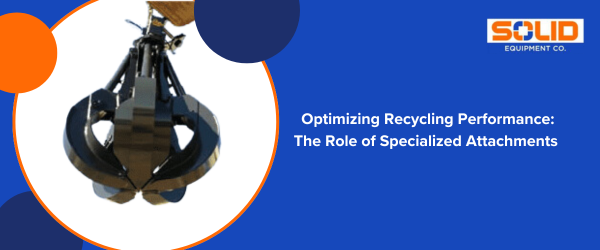
Optimizing Recycling Performance: The Role of Specialized Attachments

As an industrial recycling equipment supplier, we understand that optimizing recycling performance hinges on the use of specialized attachments. These powerful tools enhance the capabilities of standard recycling machinery, transforming them into versatile and high-performing assets.

The Importance of Specialized Attachments

Recycling equipment is the backbone of any recycling operation. However, the demands of modern recycling processes call for more than just robust machinery; they require a level of adaptability that can only be achieved through specialized attachments. These attachments expand the functionality of recycling equipment, allowing for a more refined and targeted approach to material handling and processing.

Types of Specialized Attachments

Solid Equipment Company provides an extensive selection of heavy equipment attachments, encompassing unique buckets, grapples, magnets, extended-reach arms, among others. Collaborating with leading manufacturers such as GRYB, we guarantee access to the essential tools and attachments required for efficient job completion. We cater to the needs of industrial recyclers, scrapyards, waste processors, salvage operations, and demolition enterprises across the United States and Canada.

Specialty Buckets

Our specialty buckets are engineered for precision and durability. Whether you’re digging, grading, or handling materials, these buckets are built to withstand the toughest conditions. With various sizes and shapes tailored for specific tasks, our buckets ensure that you can dig deeper and move materials more efficiently.

Grapples

The grapples in our inventory are all about control and strength. Designed to handle a variety of materials from scrap metal to debris, our grapples offer superior grip and maneuverability. With robust construction and powerful closing force, they are an indispensable tool for scrapyards and demolition sites.

Magnets

When it comes to sorting and moving ferrous materials, our industrial-strength magnets are second to none. Easy to attach and operate, these magnets provide a swift and safe method for separating and lifting metal objects, streamlining the workflow at recycling centers and waste processing facilities.

Extended-Reach Arms

For those hard-to-reach places, our extended-reach arms extend the capabilities of your equipment. These attachments are perfect for demolition work that requires extra reach and precision. They are also invaluable for salvage operations, allowing operators to carefully extract materials from challenging locations.

The Benefits of Specialized Attachments

The use of specialized attachments in recycling operations offers numerous benefits:

Enhancing Operational Efficiency

Specialized attachments significantly boost the efficiency of recycling operations. By streamlining the sorting and processing stages, these tools reduce the time and labor required to handle materials. This not only speeds up the recycling process but also minimizes operational costs.

Improving Material Recovery

The goal of recycling is to recover as much usable material as possible. Specialized attachments play a pivotal role in achieving this by ensuring that materials are effectively separated and processed. This maximizes the amount of material that can be returned to the supply chain, reducing the need for virgin resources.

Environmental Benefits

The environmental benefits of using specialized attachments in recycling operations cannot be overstated. By improving the efficiency and effectiveness of recycling, these tools help to reduce the volume of waste sent to landfills. They also contribute to the conservation of natural resources and the reduction of greenhouse gas emissions associated with the production of new materials.

Economic Advantages

Investing in specialized attachments can lead to significant economic advantages for recycling operations. The increased efficiency and material recovery translate into higher profits from the sale of recycled materials. Additionally, the enhanced processing capabilities can open new markets for recycled products, further boosting revenue.

Conclusion

The role of specialized attachments in optimizing recycling performance is clear. They are not just add-ons; they are integral components that elevate the capabilities of recycling equipment. As an industrial recycling equipment supplier, we are committed to providing our clients with the tools they need to succeed in the competitive world of recycling. By embracing innovation and investing in specialized attachments, we can all contribute to a more sustainable and profitable future. Contact us or call 855-945-2645 to inquire about our collection of equipment or for an estimate!

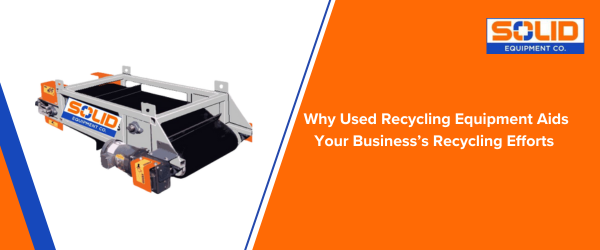
Why Used Recycling Equipment Aids Your Business’s Recycling Efforts

The growing prominence of sustainable practices has led many companies across various industries to adopt more environmentally friendly operations. However, implementing industrial recycling initiatives can be costly. By purchasing used recycling equipment, businesses can reduce expenses while maintaining eco-friendly practices. Here’s why opting for used recycling equipment can significantly benefit your business’s recycling efforts.

Cost-Effective Solution

One of the primary advantages of purchasing used recycling equipment is the cost savings. New machinery can be prohibitively expensive, especially for small and medium-sized businesses. By choosing used equipment, you can obtain high-quality machinery at a fraction of the cost. These savings can then be redirected towards other areas of your recycling program, such as employee training or expanding your recycling capabilities.

High-Quality and Reliable

Contrary to what some might believe, used recycling equipment does not mean subpar quality. At Solid Equipment Company, we supply some of the world’s most advanced recycling equipment from renowned global companies like Bronneberg, Auto Drain, Holmatro, GRYB, and more. Furthermore, many suppliers of used equipment refurbish and rigorously test their machines to ensure they meet industry standards. This ensures you can invest in reliable, durable machinery that will serve your business effectively for years to come.

Environmental Impact

Purchasing used recycling equipment is a sustainable choice. By reusing machinery, you are preventing it from ending up in a landfill, thus reducing waste and conserving resources. This practice aligns with the very principles of recycling and sustainability that your business aims to promote. Furthermore, reducing the demand for new equipment manufacturing decreases the overall environmental impact associated with producing new machinery.

Fast Implementation

Setting up a new recycling program or expanding an existing one requires time and resources. Sourcing new equipment often involves long lead times for manufacturing and delivery. In contrast, used recycling equipment is typically available immediately, allowing for faster implementation of your recycling initiatives. This quick turnaround can be particularly advantageous if you need to scale up your recycling efforts rapidly to meet regulatory requirements or corporate sustainability goals.

Variety

The market for used recycling equipment is vast, offering a wide range of options to suit different business needs. Whether you require balers, compactors, shredders, or conveyors, you can find used equipment that fits your specific requirements. This variety allows you to select machinery that aligns perfectly with your business operations, ensuring efficiency and effectiveness in your recycling processes.

Supporting the Circular Economy

By choosing used equipment, your business is contributing to the circular economy, a system that emphasizes reusing, recycling, and reducing waste. This not only enhances your company’s sustainability credentials but also resonates with environmentally conscious consumers and partners. Demonstrating a commitment to the circular economy can strengthen your brand image and provide a competitive edge in the marketplace.

Benefits of Industrial Recycling

Buying used recycling equipment not only benefits your business, but also plays a pivotal role in promoting sustainability and reducing the environmental impact of manufacturing and production processes.

Industrial recycling is an important practice because…

1.Resource Conservation and Waste Reduction

Industries consume vast amounts of raw materials. Recycling allows for the recovery of these materials from used products, reducing the need to extract and process virgin resources. This conservation is crucial for sustaining the availability of natural resources for future generations.

Industrial activities generate substantial amounts of waste, which can pose serious environmental hazards if not managed properly. Recycling helps divert waste from landfills and incinerators, reducing pollution and conserving landfill space. This not only protects the environment but also minimizes the costs associated with waste disposal.

2.Energy Savings

The process of recycling often requires significantly less energy compared to the extraction, refining, and processing of raw materials. For example, recycling aluminum saves up to 95% of the energy needed to produce new aluminum from bauxite ore. These energy savings translate into reduced greenhouse gas emissions, contributing to efforts to combat climate change.

3.Reduction of Environmental Pollution

Recycling industrial waste prevents harmful pollutants from entering ecosystems. For instance, recycling electronic waste (e-waste) ensures that hazardous substances like lead, mercury, and cadmium are properly managed and do not contaminate soil and water sources. This protection of natural habitats is essential for maintaining biodiversity and ecological balance.

4.Innovation and Technological Advancement

The push for industrial recycling drives innovation in recycling technologies and processes. Research and development in this area lead to more efficient and effective ways to recycle a wider range of materials. These advancements can open new markets and opportunities for industries to capitalize on recycled products.

Embracing industrial recycling is a strategic advantage in today’s resource-conscious world. By incorporating sustainability, companies can achieve both environmental and economic benefits, securing a successful and responsible future.

Industrial Recycling Equipment Supplier

At Solid Equipment Company, we take pride in offering a wide selection of high-quality used recycling equipment to businesses throughout the United States.

We recognize the importance of efficient scrap handling and processing, which is why we offer a carefully selected range of high-quality used equipment. Our inventory includes wire granulators, wire strippers, electric motor recycling machines, scrap metal balers, and more. Whether you’re looking to upgrade your existing machinery or expand your recycling capabilities, our team of experts possesses the knowledge and experience to help you find the perfect machinery for your specific needs.

When you purchase used recycling equipment from a trusted supplier like Solid Equipment, you can be confident that you’ll get the right tools to meet your business requirements.

Contact us today to learn more about our inventory and discover how we can elevate your recycling operations.

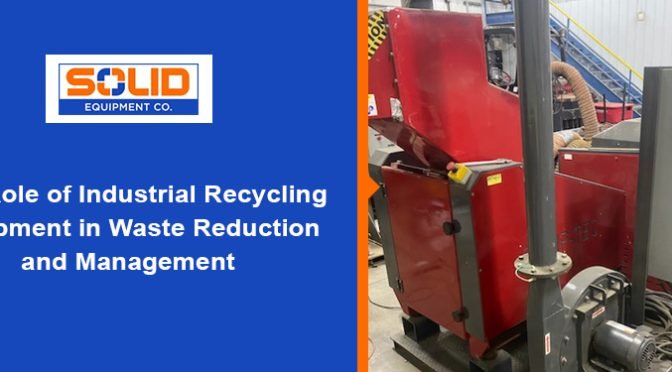
The Role of Industrial Recycling Equipment in Waste Reduction and Management

Industrial recycling equipment encompasses a broad range of machines designed to process waste and convert it into reusable materials. These machines are typically used in industrial settings, such as manufacturing plants, construction sites, and warehouses, that produce large amounts of waste. By recycling this waste, these facilities can reduce their environmental footprint and save money on disposal costs.

With the world’s population growing and consumption levels rising, waste management has become a critical concern for environmentalists, governments, and businesses alike.

Hence, in recent years, the importance of industrial recycling equipment in reducing waste and managing it more efficiently has become increasingly apparent.

Types of Industrial Recycling Equipment

Some of the most common types of industrial recycling equipment include:

Shredders

Shredders break down large objects, such as furniture, appliances, and construction materials, into smaller pieces that can be easily transported and recycled.

Balers

Balers compress waste materials, such as cardboard, plastic, and metal, into compact bales that can be easily transported and recycled. It reduces the amount of space required for waste storage and makes it easier to transport waste materials to recycling facilities.

Compactors

Compactors compress waste materials, such as foam, rubber, and textiles, into compact blocks that can be easily transported and recycled.

Crushers

Crushers break down waste materials, such as concrete and asphalt, into smaller pieces that can be reused in construction projects.

Granulators

Granulators process plastics and other materials, breaking them down into small pellets that can be used to produce new products.

Benefits of Industrial Recycling Equipment

The use of industrial recycling equipment has several benefits for waste reduction and management:

Reducing Landfill Waste

By recycling materials, facilities can reuse resources that would otherwise be discarded, reducing the amount of waste that ends up in landfills. It reduces the environmental impact of resource extraction and helps to conserve natural resources.

Greenhouse Gas Emissions Reduction

Landfills are a significant source of methane, a potent greenhouse gas contributing to climate change. By reducing the amount of waste in landfills, facilities can help reduce their carbon footprint and mitigate the effects of climate change.

Cost Savings

Recycling materials can save facilities money on waste disposal costs. Many businesses must pay fees for waste disposal, which can add up quickly, especially for facilities that produce large amounts of waste.

By recycling materials, facilities can reduce the amount of waste that needs to be disposed of, ultimately lowering disposal costs.

Resource Conservation

Recycling materials helps to conserve natural resources by reducing the need for new raw materials to be extracted from the earth. It can help to reduce the environmental impact of resource extraction and preserve resources for future generations.

Compliance with Regulations

Many countries have regulations that require businesses to recycle certain materials, such as electronic waste or hazardous materials. Using industrial recycling equipment can help companies to comply with these regulations, avoiding fines and other penalties.

Choosing the right industrial recycling equipment for a facility’s specific needs can help maximize these benefits, ultimately contributing to a more sustainable future.

Solid Equipment Company is a leading recycling machinery and used recycling equipment supplier in the United States.

We offer a wide range of recycling equipment, including scrap handling equipment, balers, shredders, and crushers from the industry’s top brands. We work closely with businesses to understand their unique needs and requirements and provide appropriate solutions that deliver excellent results.

Solid Equipment Company is the right choice if you’re looking for a reliable supplier for recycling machinery and used recycling equipment in the USA. We are committed to providing reliable equipment that meets the highest quality and performance standards.

Contact us today to learn more about our products and services and start your journey towards a more sustainable future.

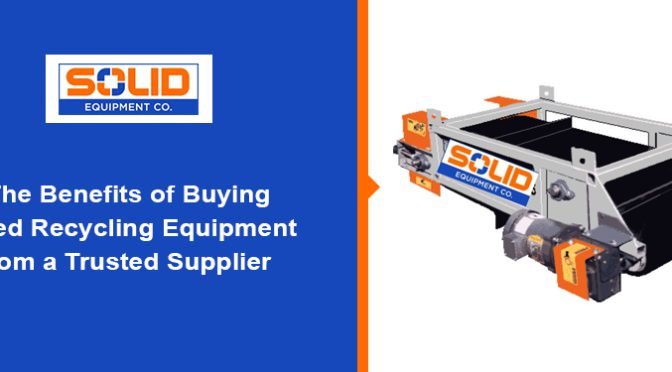
The Benefits of Buying Used Recycling Equipment from a Trusted Supplier

Industrial Recycling Equipment

Industrial recycling not only helps preserve natural resources but also reduces waste and greenhouse gas emissions. In recent years, the importance of recycling has gained a lot of attention, and businesses are doing their best to make their operations eco-friendly. However, implementing industrial recycling initiatives can be expensive, so many companies are using equipment to save costs. In this Blog, we’ll explore the benefits of buying used industrial recycling equipment from a trusted supplier.

Cost Savings

The primary benefit of buying used recycling equipment is cost savings. Industrial recycling can be expensive, especially for small businesses starting recycling operations.

Used recycling equipment is a cost-effective solution that allows companies to acquire the necessary machinery at a fraction of the cost of buying new equipment. The savings can be significant, freeing up funds to invest in other business areas.

Quality Equipment

Buying used equipment from a trusted supplier will ensure the machinery is of high quality. When you purchase from a reputable supplier, you can trust that the equipment has been properly maintained, serviced, and tested.

Environmentally Friendly

Buying used equipment is an eco-friendly solution because it helps to reduce waste. By purchasing pre-owned machinery, businesses are essentially recycling the equipment, giving it a new life, and reducing the resources required to produce new machinery.

The equipment is tested and maintained to be energy-efficient, which helps businesses reduce their carbon footprint.

Used Recycling Equipment Supplier

At Solid Equipment Company, we are proud to offer a range of high-quality used equipment to businesses across the United States. Our team of experts has the know-how and experience to help you find the right machinery for your business.

By purchasing repurposed equipment from a trusted supplier like Solid Equipment, you can be sure to get the equipment you need for your business-specific needs.

Contact us today to learn more about our inventory and how we can help you take your recycling operations to the next level.

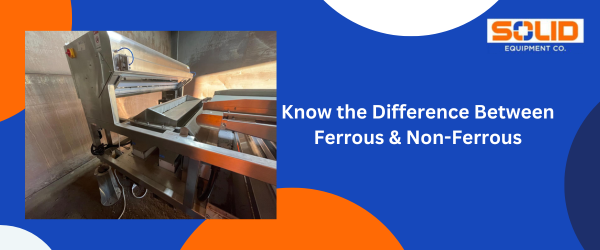
Know the Difference Between Ferrous & Non-ferrous

Scrap metal recycling is a lucrative, environmentally friendly business. Before you can get started, it’s imperative to understand the difference between ferrous & non-ferrous metals. In short, ferrous metals contain iron, while non-ferrous metals do not. This defining characteristic determines which uses and applications these metals are best suited for and how they are recycled.

What is Ferrous Metal?

Ferrous metals are alloys, meaning they contain several different metals, including iron. This makes ferrous metals strong, durable, and magnetic. Unfortunately, the high iron content also makes ferrous metals prone to rusting in wet environments.

Examples of these metals include steel, carbon steel, alloy steel, cast iron, and wrought iron. These materials are used in the following applications:

  • Engines and car parts
  • Building materials
  • Industrial piping
  • Machinery
  • Shipping containers
  • Heating elements
  • Electrical applications
  • Nails and tools
  • Cookware
  • Sheet metal
  • Chains and fencing

What is Non-Ferrous Metal?

Non-ferrous metals do not contain iron, making them light, malleable, and non-magnetic. They are also much less likely to rust and corrode than ferrous metals.

Examples include aluminum, copper, lead, nickel, tin, and zinc. The characteristics of these metals make them the ideal choice for numerous applications, including:

  • Aircraft parts
  • Food and drink cans
  • Sheet roofing
  • Outdoor signage
  • Power cables and batteries
  • Kitchen utensils
  • Galvanization (applying zinc to iron or steel to prevent rust)

Ferrous Scrap Metal Recycling

Ferrous scrap is the world’s most recycled material. In 2016, 65 million metric tons of iron and steel scrap valued at $15.9 billion was recycled worldwide. As a result, 40% of the world’s steel production is made from recycled ferrous scrap. Manufacturing new products from recycled metal consumes 75% less energy than using raw materials.

Non-Ferrous Scrap Metal Recycling

Aluminum and other non-ferrous metals maintain their chemical properties even after repeated recycling and reprocessing. As a result, they are infinitely recyclable. In fact, 75% of all aluminum processed since commercial manufacturing began in the 1880s is still in productive use today. The process is fast, too. Used aluminum cans can be recycled and put back on grocery store shelves in as little as 60 days.

Non-ferrous scrap metal recycling is critical to conserving natural resources. It comprises less than 10% of all scrap recycled in the United States by volume, but it represents nearly 50% of the total scrap value. In 2018, the U.S. recovered more than 9.2 million metric tons of non-ferrous scrap with an estimated worth of more than $34 billion.

How to Tell the Difference Between Ferrous & Non-Ferrous Metals

Both kinds of metal are used in buildings, cars, plumbing and electrical systems, and more. This means scrap from a remodeling or construction site is likely to contain both kinds of metal.

Industrial magnets are the key to separating the two quickly and efficiently. After all, magnetic ferrous metal will stick to the magnet, while non-ferrous metal will remain on the ground. Industrial magnets come in several forms, including electromagnetic overhand magnets and drum separator magnets.

Other Useful Tools for Recycling Scrap

In addition to separating different kinds of metal, you also need industrial recycling equipment to cut, compress, and otherwise reduce scrap down to a manageable size. The tools you may find useful in the scrap metal recycling business include:

If you need assistance with selecting the right scrap metal recycling tools, turn to the specialists at Solid Equipment Company. We offer new, used, and refurbished equipment to meet your needs.

Call 866-948-5406 or fill out our online contact form to discuss your  scrap metal recycling business with a knowledgeable industry expert.

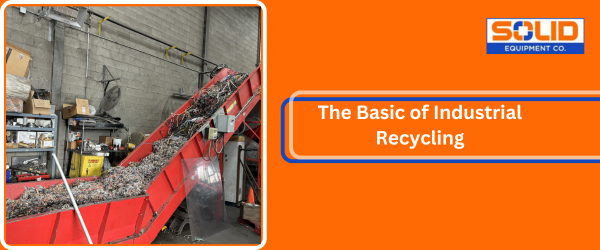
The Basics of Industrial Recycling

Every industry—from manufacturing and medicine to agriculture and energy products—generates reusable and recyclable materials. Much like household waste, including cardboard, paper, aluminum cans, and plastic containers, industrial waste is considered a valuable commodity. Using the correct processes and equipment, industrial waste can easily be reused or recycled.

What is Industrial Recycling?

Industrial recycling is the process of re-incorporating valuable secondary materials generated from industrial processes into newly manufactured products. Depending on what waste your industry produces, you may be able to reuse these materials in your company processes or sell them to another company that can use them. Examples of recyclable industrial waste include:

  • Scrap and residuals from production processes
  • Coal combustion products
  • Construction and demolition debris
  • Products that have been recovered at the end of their useful life, including appliances, motor vehicles, and tires

Industrial Recycling: An Effective Part of Waste Stream Management

Many industries focus on curbing their energy and water consumption during the manufacturing process. While noble, these goals often overshadow the impact that material disposal can have on the economy, human health, and the environment.

Proper waste stream management is a sustainability effort that can have tremendous benefits when implemented properly. Consider that industrial recycling is an effective part of waste stream management. Any waste that cannot be prevented or reused should be recycled to divert it away from landfills.

What is Beneficial Use?

Hundreds of millions of tons of non-hazardous secondary materials are disposed of each year. This comes at a substantial cost, both to the company generating the waste and the companies that must purchase more expensive raw materials because recycled goods aren’t available. Many of the industrial byproducts that end up in landfills have the potential to be recycled—or beneficially used—instead of going to waste.

Beneficial use is when recycled materials are substituted for raw materials in such a way that:

  • Provides beneficial functionality
  • Meets performance standards
  • Does not pose a risk to human health or the environment

Examples of industrial waste recycling for beneficial use include:

  • Using coal fly ash in place of Portland cement in concrete
  • Substituting desulfurization gypsum for mined gypsum in drywall
  • Utilizing spent foundry sands and slag in soil-related applications, such as base material at construction sites
  • Recycling crushed concrete and asphalt from construction projects for use as aggregate in new pavement

Common Industrial Recycling Equipment

Using the proper industrial recycling equipment contributes to a more efficient, profitable business. Consider some of the most common tools in use today:

  • Wire granulators recover the valuable copper and aluminum found inside industrial cables and wiring.
  • Hydraulic shears reduce scrap metal to a more manageable size.
  • Wire strippers strip and separate wiring of various diameters and materials.
  • Vehicle recycling equipment is used to drain, dismantle, separate, depollute, and recycle cars. Examples include vehicle tilting tables, fuel extractors, airbag deployers and wheel poppers.
  • Scrap balers make it easy to compress large metal objects into smaller, more transportable pieces.
  • Roll splitters are used to cut surplus or defective aluminum coils and other packing material reels.
  • Hammer mills break up everything from electric motors and transformers to green boards and copper meatballs.
  • Magnets help purify the product stream by separating metal from other recyclable materials, including plastic, rubber, paper, and wood.

Benefits of Industrial Recycling

Because of the potential for numerous economic, environmental, and performance benefits of industrial recycling, every company should pursue appropriate beneficial uses for the secondary materials they generate. Some of the advantages of doing so include:

  • Reduced costs: Everyone involved in the industrial recycling process saves money. The companies generating the waste reduce costs by reusing or reselling byproducts that would otherwise be thrown away. The companies purchasing secondary materials receive a discount compared to buying raw materials.
  • Conserved natural resources: When waste products are reused, it reduces the need to produce new raw materials, minimizing the dependence on virgin resources.
  • Fewer greenhouse gas emissions: Municipal solid waste landfills are the third-largest source of human-related methane emissions in the US. By reducing landfill volume, industrial recycling can help slow global climate change. The recycling process also usually emits fewer pollutants than the extraction and production of new materials.
  • Improved public perception: If your company strives to be a good corporate citizen, participating in industrial recycling brings you another step closer to this goal.

Industrial recycling rules and regulations vary across North America. If your business is looking for opportunities to reuse and recycle secondary materials, contact your local environmental protection office for more information.

You also need access to the proper industrial recycling equipment for the job. The specialists at Solid Equipment Company can help you identify the best machines to satisfy any industrial recycling challenge.

Call 866-948-5406 to discuss your industrial recycling needs with a knowledgeable industry expert.

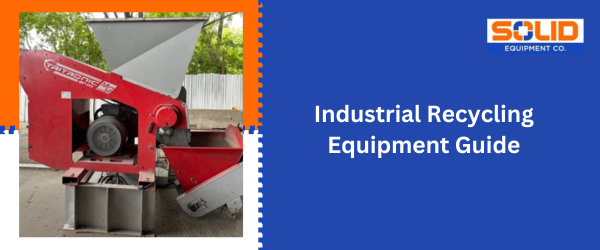
Industrial Recycling Equipment Guide

Access to the proper industrial recycling equipment is the key to an efficient and profitable business. With so many machines available for different purposes, how do you know which ones are best suited for the application at hand? Use this industrial recycling equipment guide to help you answer that question.

Wire Granulators

The copper and aluminum found inside industrial cables and wiring often go to waste. With the proper wire granulator, you can efficiently recycle and recover these valuable components. Find a model designed for the capacity and type of cable you need to process. Your options include:

Hydraulic Shears

Industrial hydraulic shears reduce scrap metal to a more manageable size. Whether you need powerful shears for bulky jobs or handheld shears for more precise work, you can find a product to meet your needs. Your options include:


Wire Strippers

Recycling scrap wire components can be very profitable. If you need to strip and separate wiring of various diameters and materials, wire strippers are the right tool for the job. The Kab-W is a popular model capable of splitting everything from thin PVC to heavily armored underground cables and steel mesh.

Vehicle Recycling Equipment

Meet the challenges of car recycling with a range of equipment designed to drain, dismantle, separate, depollute, and recycle motor vehicles.

  • Vehicle drainage: Remove up to 98% of liquids from end-of-life vehicles quickly, cleanly, and efficiently—without spilling a drop.
  • Vehicle rack and drainage: An optional drainage platform makes it easier than ever to extract gasoline, diesel fuel, oil, antifreeze, and other vehicle liquids.
  • Mobile vehicle dismantling container: Take your vehicle dismantling services anywhere with a mobile container. It opens up into a covered workstation complete with a static vehicle ramp, double diaphragm pumps, catchment areas, and preinstalled tank lines and connections.
  • Airbag deployment: This system neutralizes airbags and seatbelt tensioners at a reduced noise level and without particulate residue.
  • A/C removal: Vehicle air conditioning systems contain potentially hazardous refrigerants. An A/C removal system safely degasses automotive air conditioners without harming the environment.
  • Fuel extraction: A clean, low-cost fuel extractor is essential for vehicle depollution before it ends up in a scrapyard.
  • Fuel tank drill: The unique water and sediment separation system included with a fuel tank drill ensures you retrieve clean, reusable fuel from end-of-life vehicles.
  • Handheld hydraulic shears: While they have numerous applications, handheld shears are often used for separating car parts for reuse or recycling.
  • Wheel lug lock buster: This tool is the easiest way to remove a vehicle’s wheels without the locking nut key.
  • Wheel popper: Remove scrap tire material from steel and alloy rims at up to 240 units per hour with this efficient tire removal machine.
  • Electric motor recycling machines: Rugged, specialized equipment can split motor casings to recover the valuable copper and aluminum inside.

Miscellaneous Industrial Recycling Equipment

What other industrial recycling solutions do you need? Many assorted machines are available to meet your needs.

  • Scrap metal balers: This equipment makes it easy to compress large metal objects into small, transportable pieces.
  • Roll splitters: Cut up surplus or defective aluminum coils and other packing material reels for recycling purposes.
  • Dust suppression equipmentIndustrial recycling can generate dust, odor, and smoke. An electric, gas, PTO, or hydraulic-powered misting system makes the environment more pleasant for workers.
  • Hammer mills: Break up electric motors, transformers, copper meatballs, green boards, and much more.
  • Eddy current separators: By separating small aluminum chips from shredded and ground plastic, you can achieve the cleanest plastic flakes possible.
  • Stainless steel separation conveyors: A patented magnetic circuit design recovers stainless steel and ferrous dust from auto shredding and wire chopping streams.
  • Magnets: Whether you recycle plastic, electronics, tires, paper, metal, or wood, cross-belt magnets are ideal for purifying the product stream.
  • Electromagnetic overband magnets: This compact system is smaller and lighter than other magnets without any compromise in separation performance.
  • Drum separator magnets: This system removes iron contamination while the clean product stream continues its normal trajectory.

Contact Solid Equipment Company for Help Choosing Industrial Recycling Equipment

Do you still have questions about which industrial recycling equipment is right for you? The specialists at Solid Equipment Company can help you identify the best machines to satisfy any industrial recycling challenge. We offer new, used, and refurbished equipment to meet your needs. With our guidance, you’ll maximize productivity, minimize the costs of recovery, and optimize your bottom line.

Fill out our online contact form or call us at 866-948-5406 today to discuss your industrial recycling needs with an experienced industry expert.

Check out our link to this guide on Advanced Biofuels USA.