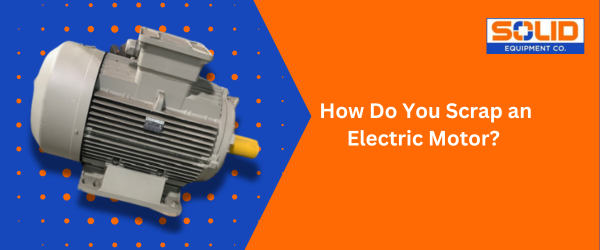
Electric motors are integral to countless devices, from household appliances to industrial machinery. As these motors reach the end of their operational life, they become valuable sources of recyclable materials, notably copper and aluminum. Efficiently extracting these materials requires specialized equipment: electric motor recycling machines. These machines not only enhance the efficiency of scrap metal recovery but also contribute significantly to environmental sustainability.
The Importance of Recycling Electric Motors
Recycling electric motors is a crucial aspect of industrial recycling solutions. Electric motors contain valuable components such as copper windings and aluminum structures, encased within steel or iron housings. By recycling these motors, we can recover these precious metals, reducing the need for new mining operations and conserving natural resources. Moreover, recycling helps in minimizing landfill waste, thereby reducing environmental pollution. This process aligns with the principles of the circular economy, promoting the reuse of materials and energy savings.
Capabilities of Electric Motor Recycling Machines
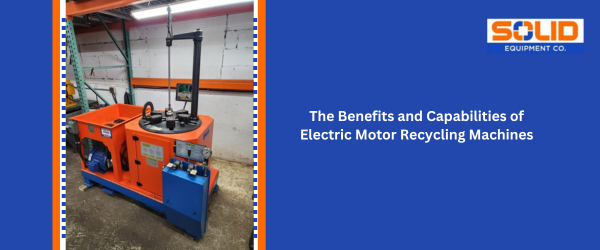
Electric motor recycling machines are designed to efficiently disassemble motors and separate their components for recycling. The process typically involves three stages:
- Cracking the Outer Casing: The robust outer shell of the motor, usually made of steel or aluminum, is split open to access internal components.
- Splitting the Stators: Once the casing is removed, the stator—the stationary part of the motor—is cut to expose the copper windings.
- Extracting Copper and Aluminum: The final step involves extracting the copper windings and aluminum components from the stator and rotor.
This systematic approach ensures maximum recovery of valuable metals with minimal manual intervention, enhancing the efficiency of scrap motor recovery operations.
Benefits of Using Electric Motor Recycling Machines
Investing in electric motor recycling machines offers several advantages:
- Increased Efficiency: These machines can process many motors in a shorter time compared to manual methods, significantly boosting productivity.
- Enhanced Safety: Automating the dismantling process reduces the risk of injuries associated with manual disassembly, creating a safer work environment.
- Higher Recovery Rates: Specialized machines ensure thorough extraction of copper and aluminum, maximizing the profitability of recycling operations.
- Environmental Benefits: Efficient recycling reduces the demand for virgin mining, lowers energy consumption, and decreases greenhouse gas emissions associated with metal production.
Solid Equipment Company: Leading the Way in Motor Recycling
As a thought leader in the industry, Solid Equipment Company specializes in providing top-tier electric motor recycling machines. Their offerings include:
- Triple Platform Electric Motor Recycling Machine: This setup comprises three separate platforms: two hydraulic presses for cracking the cast and splitting the stators, and one platform dedicated to copper extraction. This configuration allows for quicker processing and higher production capacity.
- Double Platform Electric Motor Recycling Machine: This machine separates the cracking/splitting platform from the copper extraction platform, each with its own motor, providing flexibility and efficiency in processing.
Solid Equipment Company also offers used recycling equipment, catering to businesses seeking cost-effective solutions without compromising on quality.
Conclusion
Electric motor recycling machines play a pivotal role in modern scrap metal recovery efforts. They enhance operational efficiency, ensure higher recovery rates of valuable metals, and contribute to environmental sustainability by promoting the recycling of scrap metal. Companies like Solid Equipment Company are at the forefront of this industry, providing innovative and reliable solutions for all motor recycling needs. Investing in such equipment not only boosts profitability but also aligns with global efforts toward sustainable resource management.
For a visual demonstration of how electric motor recycling machines operate, you can watch the following video: