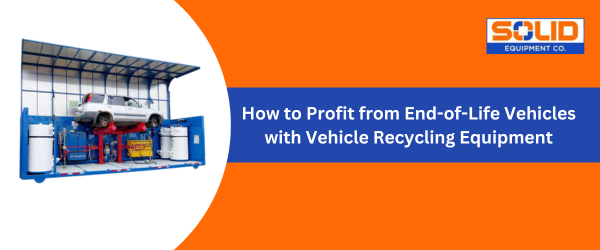
How to Profit from End-of-Life Vehicles with Vehicle Recycling Equipment

What Are End-Of-Life Vehicles? 

End-of-life vehicles (ELVs) are cars and trucks that have reached the end of their usable life due to age, damage, or costly repairs. Instead of letting these vehicles sit in a field or head straight to landfill, salvage yards turns them into valuable resources. 

An ELV contains: 

  • Scrap metal (steel, aluminum, copper) 
  • Reusable auto parts (engines, transmissions, wheels) 
  • Specialized components like catalytic converters and batteries 
  • Plastics, glass, and fluids that can be recovered or disposed of safely 


By using modern vehicle recycling equipment, scrap yards and auto dismantlers can unlock multiple profit streams while meeting strict sustainability regulations. 

How Does Vehicle Recycling Make Money?

The vehicle dismantling and recycling process creates value at every stage: 

Dismantling & Depollution

Using vehicle drainage systems, fuel extraction tools, and airbag deployment equipment, recyclers remove hazardous materials like fuel, oil, coolant, and airbags. This step ensures compliance and makes further processing safe. 

Parts Salvage & Resale

Quality used parts—engines, transmissions, alternators, wheels—can be cleaned, tested, and resold. Even simple tools like the wheel lug lock buster make part recovery more efficient. 

Scrap Metal Recovery

With shears, dismantlers, and shredders, auto scrap recyclers extract large volumes of steel and non-ferrous metals for resale in the scrap metal recycling market. 

Specialty Material Recycling 

  • Catalytic converters yield valuable precious metals. 
  • Aluminum/Steel rims can be popped off using the wheel rim popper
  • Plastics and wiring can be separated for additional revenue. 


Each of these streams adds to the bottom line, making scrapping old cars a highly profitable venture when done with the right equipment. 

What Equipment is Used to Recycle Cars?

Modern auto recycling machines streamline every stage of the process. Key categories include:

Stage  Equipment  Purpose 
Depollution Car depollution equipment, A/C removal, airbag deployment Safely remove fluids, gases, and explosives
Dismantling Auto dismantling equipment Recover engines, transmissions, and reusable parts
Processing Crushers, balers, auto shears Compress and prepare scrap for resale
Material Separation Shredders, separators Extract ferrous and non-ferrous metals, plastics, and glass


What Parts of a Vehicle Can Be Recycled for Profit?

  • Engines & transmissions – resold for reuse 
  • Catalytic converters – contain platinum, palladium, and rhodium 
  • Steel & aluminum – key markets for automotive scrap metal recycling 
  • Copper wiring & electronics – recovered for commercial metal recycling 
  • Rims & wheels – processed using specialized tools 
  • Plastics & glass – sold to secondary recyclers 

A single scrap vehicle can generate thousands in parts and materials when handled correctly. 

Economic and Environmental Benefits of Vehicles Recycling

  • Profitability: Each car creates multiple revenue streams from parts resale, metals, and specialty materials. 
  • Regulatory compliance: Meeting recycling targets is critical for European auto dismantlers, U.S. scrap yards, and global facilities. 
  • Sustainability: Prevents toxic materials from entering landfills and reduces the demand for new raw materials. 
  • Reputation: Businesses showcasing eco-friendly scrap vehicle recycling practices attract new customers and contracts. 

How to Choose the Right Vehicle Recycling Equipment

Selecting the best car recycling equipment depends on: 

  • Business size: Smaller yards may start with portable mobile dismantling containers; larger operations need high-throughput shredders and balers. 
  • Throughput goals: Estimate how many ELVs per day you want to process. 
  • ROI potential: Look at savings from labor reduction, resale value of salvaged parts, and higher yields from scrap metal auto recycling. 
  • Specialty needs: Consider add-ons like vehicle depollution equipment or auto dismantling tools based on your focus. 


Investing in high-quality vehicle recycling equipment is not a cost—it’s a pathway to maximizing profits, staying compliant, and building a sustainable recycling business. 
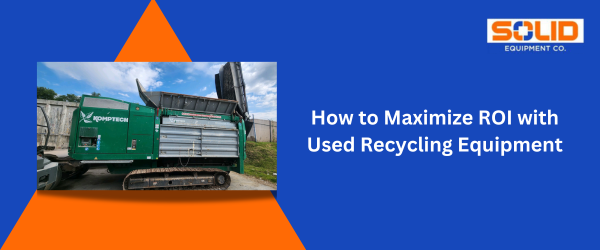
How to Maximize Used Recycling Equipment ROI

For scrap yards, recycling operations, and demolition companies, used recycling equipment can offer significant cost advantages without sacrificing performance. Getting the best return on your investment, though, depends on what you buy, who you buy it from, and how well you run and maintain it. 

This post breaks down exactly how to maximize ROI when buying used recycling equipment—and what to watch for along the way. 

What Makes Used Equipment a Smart Investment? 

New machinery often comes with high upfront costs and long lead times. Used industrial machinery, on the other hand, is typically available from U.S. based in stock inventory, and offers better pricing while still delivering excellent long-term value. 

Buying used gives operations the flexibility to: 

  • Cut capital expenditures while preserving capability 
  • Expand in-house processing without breaking the budget 
  • Access top brands at lower costs 
  • See faster payback on machinery 


For many operations, the used market is also the only affordable path to upgrading materials or scaling up their capacity. With solid inspection, you can secure the same core functionality as new—at a fraction of the cost. These benefits have made used recycling machines an essential part of business strategy across the industry. 

Which Equipment Offers the Best ROI When Bought Used? 

Some recycling machines hold their value better than others. The following types of equipment consistently deliver strong ROI when purchased used: 

  • Wire Strippers – Simple, rugged, and built for long-term throughput. 
  • Alligator Shears – Ideal for cutting and downsizing scrap with low maintenance needs. 
  • Granulators – Perfect for plastic and non-ferrous metal separation, especially in plants with dedicated in-house processing. 
  • Balers – A critical piece of scrap yard equipment for increasing material density and transport efficiency. 


These machines, especially when sourced from a supplier with tested inventory, are among the best used recycling equipment for scrap yards

Buying Tips That Improve ROI 

Getting value from used recycling equipment depends heavily on making the right decisions up front. Below are a few key factors to evaluate. 

  1. Equipment Condition and Service History

Always look into usage hours, maintenance records, and any refurbishment work that’s been done. Equipment that has been serviced with genuine parts and kept on a regular maintenance schedule is far more likely to deliver lasting value. 

  1. Brand and Build Quality

Stick with machines that come from established industrial manufacturers. Solid Equipment Company stocks a wide range of trusted brands that are known for durability and long-term performance. 

  1. Dealer Reputation

Work with U.S.-based dealers who inspect, test, and stand behind the machines they sell. Here’s what to look for when comparing suppliers. 

  1. Financing Options

If you’re buying multiple machines or upgrading a full line, take advantage of equipment financing to avoid upfront cash strain. 


When to Repair vs. Replace 

Extending the life of your used recycling equipment comes down to regular inspection and smart repair strategies. But not every issue is worth fixing. Here’s a quick breakdown: 

Situation  Recommended Action 
Minor hydraulic leak Repair
Consistent downtime, hard-to-source parts Replace
Throughput can’t meet demand Upgrade

Operators who regularly reassess performance and cost metrics tend to maximize profits with used industrial recycling machines more effectively than those who wait for failure. 

Maintenance: The Key to Long-Term ROI 

Proper maintenance doesn’t just prevent downtime—it directly impacts your recycling equipment ROI. Preventive service schedules, trained operators, and using quality replacement parts all contribute to keeping machines productive. 

For more on maintenance tips for used recycling machines to improve ROI, Solid Equipment Company offers guidance based on real-world use cases. 

Improving Profitability and Streamlining Operations 

The ability to process more material in-house, reduce outsourcing, and generate cleaner scrap directly affects your margins. Upgrading to better-performing used machines is one way to get there. Machines like scrap metal recycling equipment and heavy-duty balers allow you to move faster and sell higher-quality output—without tying up cash in new machinery. 

Learn more about how to unlock hidden value in your business with the right used equipment. 

Final Word 

Used recycling equipment, when chosen and managed carefully, can deliver exceptional ROI. It gives operations the flexibility to grow, pivot, and improve productivity without overspending. The key is in picking the right equipment, sourcing from the right dealer, and keeping it running with a focus on performance. 

Explore scrap metal recycling equipment for sale to see what’s currently available and ready to ship from Solid Equipment Company’s U.S.-based inventory.