Tag Archives: vehicle recycling machinery

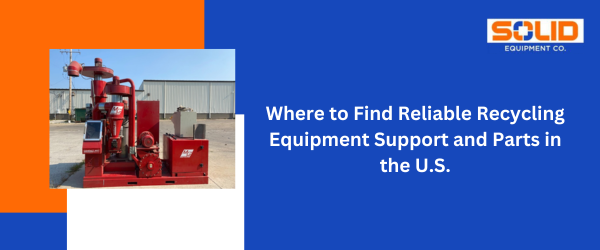
Where to Find Reliable Recycling Equipment Support and Parts in the U.S.

Recycling operators across the country are feeling the squeeze. Costs are rising, timelines are stretching, and downtime is more expensive than it’s ever been. What used to be a minor delay or a quick fix now has ripple effects across production, labor, and resale margins. Finding Reliable Recycling Equipment support is no longer just a purchasing decision. It is an operational survival strategy. 

What recyclers are dealing with right now

Most recycling facilities are facing a familiar and frustrating pattern: 

  • Overseas parts are taking weeks or months to arrive, disrupting in-house processing schedules 
  • Prices for common wear items like screens, belts, blades, cutters, and bearings continue to climb 
  • Cheap aftermarket parts fail faster, leading to repeat repairs and unexpected shutdowns 
  • Every hour of downtime costs more than it did even a year ago due to labor, energy, and missed revenue 


These challenges are tied directly to global supply chain disruptions, price inflation, and weak supply chain efficiency. For operations focused on upgrading scrap metal, scrap metal recovery, or running high-throughput scrap metal processing equipment, unreliable parts sourcing creates compounding risk. 

What to look for in a reliable U.S.-based recycling equipment partner

Not all suppliers are built to support today’s realities. A true Reliable Recycling Equipment partner should help stabilize cost, reduce downtime, and improve supply chain sourcing instead of adding friction.

  1. U.S.-based, in-stock inventory

A partner with U.S. based inventory and U.S. based in stock inventory can bypass overseas delays entirely. Domestic stocking means fast shipping, quick ship options, and predictable lead times for critical components and in-stock metal recycling machines. 

  1. OEM-grade or certified replacement parts

Low-cost knockoffs often wear faster and damage surrounding components. OEM-grade or certified parts protect metal processing machines, extend service life, and reduce unplanned maintenance during scrap metal separation processes. 

  1. Phone-based troubleshooting and remote support

When a machine goes down, immediate guidance matters. Phone-based diagnostics and remote support can resolve many issues without waiting for a site visit, keeping scrap metal recycling equipment running longer. 

  1. Field technicians for complex repairs

Some problems require hands-on expertise. Access to experienced field or heat technician support ensures complex repairs are handled correctly the first time, protecting throughput and safety. 

  1. Preventative maintenance programs

Preventative maintenance plans reduce wear, stabilize part replacement schedules, and help facilities forecast costs more accurately. This is especially critical for high-use scrap metal recycling machines. 

  1. Advance stocking of repeat-use parts

A partner that helps you pre-stock high-wear components reduces downtime risk and shields your operation from future price spikes tied to supply chain volatility. 

The real cost of downtime under inflation

Downtime adds up faster than many operators expect. Here is a simple example: 

Downtime Cost Factor Estimated Cost per Hour
Lost production revenue $2,500
Idle labor (operators, supervisors) $800
Delayed resale or processing revenue $1,200
Total cost per hour $4,500

A single eight-hour outage can cost over $36,000, not including secondary damage or missed contracts. This is why sourcing and supply chain management now plays a direct role in profitability. 

Why U.S.-based support matters more than ever

Reliable domestic suppliers strengthen supply chain solutions by reducing dependency on unstable international shipping lanes. Strong supplier relationship management allows recyclers to plan upgrades, manage used recycling equipment purchases, and scale operations with confidence. 

Companies like Solid Equipment position themselves as long-term partners rather than transactional vendors. With a focus on industrial recycling support, financing options, new and used recycling equipment for sale, and nationwide service, they help recyclers maintain uptime even in volatile market conditions. 

Learn more about their approach through resources like their About UsIndustrial Recycling SolutionsBrands We Carry, and Product Gallery. Their insights on finding reliable U.S. suppliers and the benefits of buying used recycling equipment further reinforce the value of dependable sourcing. 

Final takeaway

The question is no longer just where to buy parts. It is where to find Reliable Recycling Equipment support that protects uptime, stabilizes costs, and keeps throughput consistent. In a market defined by inflation and supply chain uncertainty, the right U.S.-based partner becomes one of your most valuable operational assets.
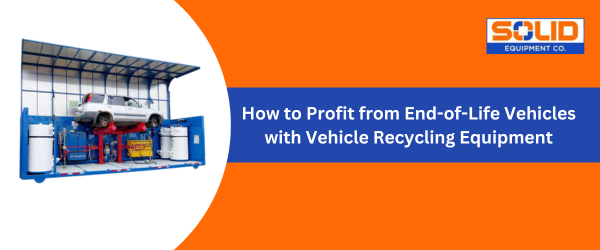
How to Profit from End-of-Life Vehicles with Vehicle Recycling Equipment

What Are End-Of-Life Vehicles? 

End-of-life vehicles (ELVs) are cars and trucks that have reached the end of their usable life due to age, damage, or costly repairs. Instead of letting these vehicles sit in a field or head straight to landfill, salvage yards turns them into valuable resources. 

An ELV contains: 

  • Scrap metal (steel, aluminum, copper) 
  • Reusable auto parts (engines, transmissions, wheels) 
  • Specialized components like catalytic converters and batteries 
  • Plastics, glass, and fluids that can be recovered or disposed of safely 


By using modern vehicle recycling equipment, scrap yards and auto dismantlers can unlock multiple profit streams while meeting strict sustainability regulations. 

How Does Vehicle Recycling Make Money?

The vehicle dismantling and recycling process creates value at every stage: 

Dismantling & Depollution

Using vehicle drainage systems, fuel extraction tools, and airbag deployment equipment, recyclers remove hazardous materials like fuel, oil, coolant, and airbags. This step ensures compliance and makes further processing safe. 

Parts Salvage & Resale

Quality used parts—engines, transmissions, alternators, wheels—can be cleaned, tested, and resold. Even simple tools like the wheel lug lock buster make part recovery more efficient. 

Scrap Metal Recovery

With shears, dismantlers, and shredders, auto scrap recyclers extract large volumes of steel and non-ferrous metals for resale in the scrap metal recycling market. 

Specialty Material Recycling 

  • Catalytic converters yield valuable precious metals. 
  • Aluminum/Steel rims can be popped off using the wheel rim popper
  • Plastics and wiring can be separated for additional revenue. 


Each of these streams adds to the bottom line, making scrapping old cars a highly profitable venture when done with the right equipment. 

What Equipment is Used to Recycle Cars?

Modern auto recycling machines streamline every stage of the process. Key categories include:

Stage  Equipment  Purpose 
Depollution Car depollution equipment, A/C removal, airbag deployment Safely remove fluids, gases, and explosives
Dismantling Auto dismantling equipment Recover engines, transmissions, and reusable parts
Processing Crushers, balers, auto shears Compress and prepare scrap for resale
Material Separation Shredders, separators Extract ferrous and non-ferrous metals, plastics, and glass


What Parts of a Vehicle Can Be Recycled for Profit?

  • Engines & transmissions – resold for reuse 
  • Catalytic converters – contain platinum, palladium, and rhodium 
  • Steel & aluminum – key markets for automotive scrap metal recycling 
  • Copper wiring & electronics – recovered for commercial metal recycling 
  • Rims & wheels – processed using specialized tools 
  • Plastics & glass – sold to secondary recyclers 

A single scrap vehicle can generate thousands in parts and materials when handled correctly. 

Economic and Environmental Benefits of Vehicles Recycling

  • Profitability: Each car creates multiple revenue streams from parts resale, metals, and specialty materials. 
  • Regulatory compliance: Meeting recycling targets is critical for European auto dismantlers, U.S. scrap yards, and global facilities. 
  • Sustainability: Prevents toxic materials from entering landfills and reduces the demand for new raw materials. 
  • Reputation: Businesses showcasing eco-friendly scrap vehicle recycling practices attract new customers and contracts. 

How to Choose the Right Vehicle Recycling Equipment

Selecting the best car recycling equipment depends on: 

  • Business size: Smaller yards may start with portable mobile dismantling containers; larger operations need high-throughput shredders and balers. 
  • Throughput goals: Estimate how many ELVs per day you want to process. 
  • ROI potential: Look at savings from labor reduction, resale value of salvaged parts, and higher yields from scrap metal auto recycling. 
  • Specialty needs: Consider add-ons like vehicle depollution equipment or auto dismantling tools based on your focus. 


Investing in high-quality vehicle recycling equipment is not a cost—it’s a pathway to maximizing profits, staying compliant, and building a sustainable recycling business. 

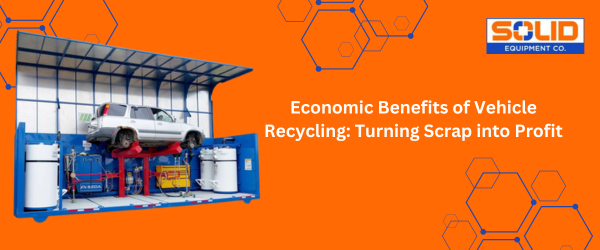
Economic Benefits of Vehicle Recycling Equipment: Turning Scrap into Profit

The demand for sustainable solutions in the automotive industry continues to grow and vehicle recycling equipment has become a game-changer for businesses looking to turn automotive scrap into profit. Investing in the right equipment streamlines operations, reduces environmental impact, and increases revenue through efficient scrap metal recycling. This article explores the financial advantages of auto dismantling equipment and how it supports a profitable and sustainable recycling business.

The Profitability of Vehicle Recycling

The automotive industry generates millions of end-of-life vehicles (ELVs) annually, creating a significant opportunity for auto scrap recyclers. With the right car recycling equipment, businesses can maximize profits by extracting valuable materials such as aluminum, steel, copper, and even rare earth elements found in electric vehicle batteries. Efficient automotive scrap metal recycling reduces waste and enhances revenue streams, making it an essential part of the modern recycling industry.

Revenue Streams from Automotive Scrap Metal

Scrap metal from ELVs is a highly lucrative market. Scrap car recycling involves dismantling old vehicles, separating valuable materials, and selling them to manufacturers who repurpose them for new products. Here’s how vehicle recycling equipment contributes to these revenue streams:

  • Ferrous and Non-Ferrous Metals: Steel and aluminum from scrap metal auto recycling are in high demand in various industries, including construction and manufacturing.
  • Electric Vehicle Components: Proper car depollution equipment for sale ensures that hazardous materials, such as battery acids and oils, are safely removed, allowing for the efficient recycling of electric motors and batteries.
  • Spare Parts Resale: Many parts of an old vehicle, such as engines, transmissions, and electronics, can be refurbished and resold, creating an additional income stream.

Efficiency in Auto Scrap Recycling

Investing in high-quality auto dismantling equipment improves efficiency in the recycling process, reducing labor costs and increasing output. Advanced shredders, balers, and crushers streamline operations, making commercial metal recycling faster and more profitable. Companies that adopt vehicle depollution equipment can process more vehicles with lower operational expenses, enhancing their bottom line.

Environmental and Economic Advantages

Beyond profitability, old car recycling plays a crucial role in sustainability. By utilizing advanced scrap car recycling solutions, businesses contribute to reducing landfill waste and lowering carbon emissions. The European auto dismantlers industry has set a strong example by implementing stringent environmental regulations and ensuring the safe disposal of hazardous vehicle components. These efforts not only support the planet but also provide financial incentives through government grants and sustainability programs.

Choosing the Right Car Recycling Equipment

Selecting the best vehicle recycling equipment is key to maximizing profits. When investing in automotive scrap metal recycling tools, businesses should consider:

  • Processing Speed & Capacity: Equipment should match the volume of vehicles being processed.
  • Energy Efficiency: Lower energy consumption translates to cost savings.
  • Regulatory Compliance: Ensuring compliance with environmental laws to avoid fines and legal issues.
  • Maintenance & Durability: Long-lasting equipment reduces downtime and maintenance costs.

Expanding Business with the Right Recycling Equipment

Investing in used car recycling equipment opens opportunities for businesses to expand their services. From scrapping old cars to processing industrial machinery, recycling companies can diversify their revenue sources. Advanced industrial recycling technology enables businesses to handle not only automotive materials but also other types of metal waste.

Conclusion

The economic benefits of vehicle recycling equipment are undeniable. By optimizing scrap car recycling, businesses can significantly increase profitability while contributing to a greener future. Whether it’s processing automotive scrap metal, reselling valuable components, or handling scrap metal auto recycling, investing in the right equipment is a strategic move that pays off in both revenue and sustainability.

To explore available car depollution equipment for sale, contact Solid Equipment Company.

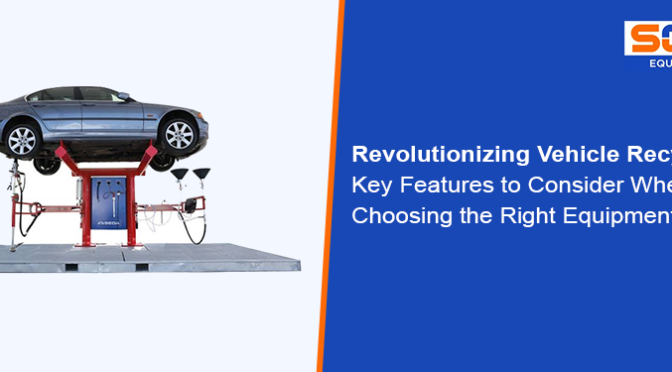
Revolutionizing Vehicle Recycling: Key Features to Consider When Choosing the Right Equipment

Optimize your recycling operation, maximize profitability, and contribute to a greener future

In today’s world, where environmental concerns and sustainability have taken center stage, vehicle recycling has emerged as a crucial industry. The process of dismantling and recycling vehicles helps reduce waste and recovers valuable materials for reuse. However, one must have the right equipment to run a successful vehicle recycling operation. The proper selection of recycling equipment can make a significant impact on the efficiency, cost-effectiveness, and environmental compliance of the entire process.

In this comprehensive guide, we will delve into the key features that you should consider when selecting vehicle recycling equipment. When you understand these essential factors, you can make an informed decision that optimizes your recycling operation, maximizes profitability, and contributes to a greener future.

Durability and Reliability: Building a Solid Foundation

This has to be the number one consideration – durability and reliability are paramount when selecting vehicle recycling equipment. The equipment should be built to withstand the rigorous demands of the recycling process and be capable of handling a variety of vehicles and materials.

Look for equipment made from high-quality materials and components known for their durability. Investing in equipment that can withstand heavy use over an extended period without frequent breakdowns is important, as downtime can be costly and disrupt workflow.

Versatility: Adapting to Changing Needs

Opt for equipment that offers versatility in the range of vehicles it can handle. Vehicle recycling equipment should accommodate different types of vehicles, including cars, trucks, SUVs, and even heavy-duty equipment.

Equipment that allows for easy customization and adjustment to handle various sizes and configurations is a saver. This flexibility will enable you to handle a broader range of vehicles and expand your recycling capabilities.

Safety Features: Prioritizing the Well-being of Operators

Safety is a top priority in any recycling operation. Look for equipment that incorporates advanced safety features to protect operators and minimize the risk of accidents. It includes safety guards, emergency stops, interlocks, and safety sensors.

Equipment that meets or exceeds industry safety standards and regulations to ensure compliance with legal requirements and minimize liability is always a great choice.

Efficiency and Productivity: Unleashing the Power of Optimization

Equipment that offers high processing speeds and quick cycle times enhances the efficiency of the recycling process. Advanced features such as automated feeding systems, hydraulic shears, and powerful engines can significantly improve processing efficiency.

Equipment with built-in sorting capabilities or integration with sorting systems can streamline recycling and increase productivity.

Environmental Considerations: Paving the Way for Sustainable Recycling

Sustainable practices and environmental compliance are increasingly important in the recycling industry. When choosing vehicle recycling equipment, consider models prioritizing energy efficiency and waste reduction.

Equipment with features like low power consumption, efficient filtration systems, and the ability to recycle fluids and recover valuable materials can minimize the environmental impact of your operation.

Ease of Maintenance and Serviceability: Keeping Operations Smooth

Regular maintenance and prompt servicing are essential for keeping your equipment in optimal working condition. Equipment designed for easy maintenance, with accessible components and user-friendly interfaces, is always preferable.

Consider manufacturers that offer comprehensive after-sales support, including readily available spare parts and knowledgeable technical assistance.

Cost and Return on Investment: Balancing Affordability and Quality

While cost should not be the sole determining factor, it is still important when selecting recycling equipment. Compare the upfront costs of different equipment options and evaluate the long-term return on investment.

Look for equipment that offers a balance between affordability and quality, ensuring that the chosen equipment will provide reliable performance and a reasonable lifespan.

When investing in these equipment, having a reliable supplier is a must. Solid Equipment Company is a leading vehicle recycling equipment supplier in the United States, offering a comprehensive range of reliable and efficient industrial recycling solutions.

With our expertise and commitment to customer satisfaction, we can help you choose the right equipment to optimize your vehicle recycling operation. Contact us today to learn more about our products and services.

vehicle recycling machinery
Let us help you choose the right equipment to optimize your vehicle recycling operation

More to read in Solid Equipment Company Blog

Unlocking Hidden Value: Boosting Your Business with Used Recycling Equipment

Revolutionizing Your Recycling Process with a Wire Stripping Machine