Tag Archives: vehicle recycling equipment

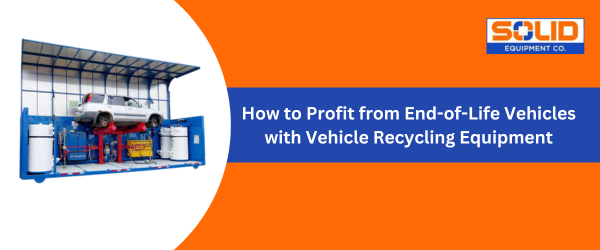
How to Profit from End-of-Life Vehicles with Vehicle Recycling Equipment

What Are End-Of-Life Vehicles? 

End-of-life vehicles (ELVs) are cars and trucks that have reached the end of their usable life due to age, damage, or costly repairs. Instead of letting these vehicles sit in a field or head straight to landfill, salvage yards turns them into valuable resources. 

An ELV contains: 

  • Scrap metal (steel, aluminum, copper) 
  • Reusable auto parts (engines, transmissions, wheels) 
  • Specialized components like catalytic converters and batteries 
  • Plastics, glass, and fluids that can be recovered or disposed of safely 


By using modern vehicle recycling equipment, scrap yards and auto dismantlers can unlock multiple profit streams while meeting strict sustainability regulations. 

How Does Vehicle Recycling Make Money?

The vehicle dismantling and recycling process creates value at every stage: 

Dismantling & Depollution

Using vehicle drainage systems, fuel extraction tools, and airbag deployment equipment, recyclers remove hazardous materials like fuel, oil, coolant, and airbags. This step ensures compliance and makes further processing safe. 

Parts Salvage & Resale

Quality used parts—engines, transmissions, alternators, wheels—can be cleaned, tested, and resold. Even simple tools like the wheel lug lock buster make part recovery more efficient. 

Scrap Metal Recovery

With shears, dismantlers, and shredders, auto scrap recyclers extract large volumes of steel and non-ferrous metals for resale in the scrap metal recycling market. 

Specialty Material Recycling 

  • Catalytic converters yield valuable precious metals. 
  • Aluminum/Steel rims can be popped off using the wheel rim popper
  • Plastics and wiring can be separated for additional revenue. 


Each of these streams adds to the bottom line, making scrapping old cars a highly profitable venture when done with the right equipment. 

What Equipment is Used to Recycle Cars?

Modern auto recycling machines streamline every stage of the process. Key categories include:

Stage  Equipment  Purpose 
Depollution Car depollution equipment, A/C removal, airbag deployment Safely remove fluids, gases, and explosives
Dismantling Auto dismantling equipment Recover engines, transmissions, and reusable parts
Processing Crushers, balers, auto shears Compress and prepare scrap for resale
Material Separation Shredders, separators Extract ferrous and non-ferrous metals, plastics, and glass


What Parts of a Vehicle Can Be Recycled for Profit?

  • Engines & transmissions – resold for reuse 
  • Catalytic converters – contain platinum, palladium, and rhodium 
  • Steel & aluminum – key markets for automotive scrap metal recycling 
  • Copper wiring & electronics – recovered for commercial metal recycling 
  • Rims & wheels – processed using specialized tools 
  • Plastics & glass – sold to secondary recyclers 

A single scrap vehicle can generate thousands in parts and materials when handled correctly. 

Economic and Environmental Benefits of Vehicles Recycling

  • Profitability: Each car creates multiple revenue streams from parts resale, metals, and specialty materials. 
  • Regulatory compliance: Meeting recycling targets is critical for European auto dismantlers, U.S. scrap yards, and global facilities. 
  • Sustainability: Prevents toxic materials from entering landfills and reduces the demand for new raw materials. 
  • Reputation: Businesses showcasing eco-friendly scrap vehicle recycling practices attract new customers and contracts. 

How to Choose the Right Vehicle Recycling Equipment

Selecting the best car recycling equipment depends on: 

  • Business size: Smaller yards may start with portable mobile dismantling containers; larger operations need high-throughput shredders and balers. 
  • Throughput goals: Estimate how many ELVs per day you want to process. 
  • ROI potential: Look at savings from labor reduction, resale value of salvaged parts, and higher yields from scrap metal auto recycling. 
  • Specialty needs: Consider add-ons like vehicle depollution equipment or auto dismantling tools based on your focus. 


Investing in high-quality vehicle recycling equipment is not a cost—it’s a pathway to maximizing profits, staying compliant, and building a sustainable recycling business. 
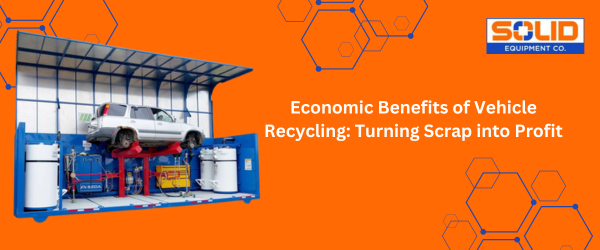
Economic Benefits of Vehicle Recycling Equipment: Turning Scrap into Profit

The demand for sustainable solutions in the automotive industry continues to grow and vehicle recycling equipment has become a game-changer for businesses looking to turn automotive scrap into profit. Investing in the right equipment streamlines operations, reduces environmental impact, and increases revenue through efficient scrap metal recycling. This article explores the financial advantages of auto dismantling equipment and how it supports a profitable and sustainable recycling business.

The Profitability of Vehicle Recycling

The automotive industry generates millions of end-of-life vehicles (ELVs) annually, creating a significant opportunity for auto scrap recyclers. With the right car recycling equipment, businesses can maximize profits by extracting valuable materials such as aluminum, steel, copper, and even rare earth elements found in electric vehicle batteries. Efficient automotive scrap metal recycling reduces waste and enhances revenue streams, making it an essential part of the modern recycling industry.

Revenue Streams from Automotive Scrap Metal

Scrap metal from ELVs is a highly lucrative market. Scrap car recycling involves dismantling old vehicles, separating valuable materials, and selling them to manufacturers who repurpose them for new products. Here’s how vehicle recycling equipment contributes to these revenue streams:

  • Ferrous and Non-Ferrous Metals: Steel and aluminum from scrap metal auto recycling are in high demand in various industries, including construction and manufacturing.
  • Electric Vehicle Components: Proper car depollution equipment for sale ensures that hazardous materials, such as battery acids and oils, are safely removed, allowing for the efficient recycling of electric motors and batteries.
  • Spare Parts Resale: Many parts of an old vehicle, such as engines, transmissions, and electronics, can be refurbished and resold, creating an additional income stream.

Efficiency in Auto Scrap Recycling

Investing in high-quality auto dismantling equipment improves efficiency in the recycling process, reducing labor costs and increasing output. Advanced shredders, balers, and crushers streamline operations, making commercial metal recycling faster and more profitable. Companies that adopt vehicle depollution equipment can process more vehicles with lower operational expenses, enhancing their bottom line.

Environmental and Economic Advantages

Beyond profitability, old car recycling plays a crucial role in sustainability. By utilizing advanced scrap car recycling solutions, businesses contribute to reducing landfill waste and lowering carbon emissions. The European auto dismantlers industry has set a strong example by implementing stringent environmental regulations and ensuring the safe disposal of hazardous vehicle components. These efforts not only support the planet but also provide financial incentives through government grants and sustainability programs.

Choosing the Right Car Recycling Equipment

Selecting the best vehicle recycling equipment is key to maximizing profits. When investing in automotive scrap metal recycling tools, businesses should consider:

  • Processing Speed & Capacity: Equipment should match the volume of vehicles being processed.
  • Energy Efficiency: Lower energy consumption translates to cost savings.
  • Regulatory Compliance: Ensuring compliance with environmental laws to avoid fines and legal issues.
  • Maintenance & Durability: Long-lasting equipment reduces downtime and maintenance costs.

Expanding Business with the Right Recycling Equipment

Investing in used car recycling equipment opens opportunities for businesses to expand their services. From scrapping old cars to processing industrial machinery, recycling companies can diversify their revenue sources. Advanced industrial recycling technology enables businesses to handle not only automotive materials but also other types of metal waste.

Conclusion

The economic benefits of vehicle recycling equipment are undeniable. By optimizing scrap car recycling, businesses can significantly increase profitability while contributing to a greener future. Whether it’s processing automotive scrap metal, reselling valuable components, or handling scrap metal auto recycling, investing in the right equipment is a strategic move that pays off in both revenue and sustainability.

To explore available car depollution equipment for sale, contact Solid Equipment Company.

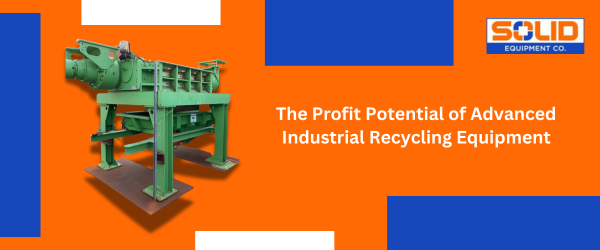
The Profit Potential of Advanced Industrial Recycling Equipment

Advanced industrial recycling equipment has emerged as a game-changer for recycling scrap metal and industrial recycling businesses. By turning scrap metal into valuable resources, these machines not only enhance environmental responsibility but also open significant revenue opportunities.

Advanced machinery such as wire granulators, cross belt magnets, optical sorting systems, and alligator shears provide companies with the means to process and repurpose metals efficiently. With the right equipment, recycling becomes more than a compliance requirement—it becomes a profitable venture.

How Advanced Recycling Equipment Creates Profitability

1.Increased Efficiency

Traditional recycling methods can be costly and time-consuming. Advanced recycling equipment automates these processes, significantly reducing operational costs. Optical sorters, for example, use sophisticated technology to separate materials based on color and composition, ensuring high accuracy and minimal waste.

2. Marketable Byproducts

Equipment such as wire granulators processes scrap cables, separating valuable copper from plastic insulation. The recovered copper can be sold at market value, turning what was once waste into a reliable revenue stream. Similarly, alligator shears efficiently cut through scrap metal, preparing them for resale.

 3.Cost Savings on Disposal

Disposal fees for any industrial waste can add up quickly. Recycling equipment reduces the volume of waste sent to landfills, helping companies save on tipping fees. This is particularly important for industries dealing with large-scale scrap metal amounts, such as vehicle recycling and construction industries.

 4.Long-Term Investment with ROI 

While advanced recycling equipment requires an upfront investment, the long-term benefits far outweigh the initial costs. Businesses can recoup their investment through increased operational efficiency, reduced disposal costs, and higher revenues from recyclable materials.

The Future of Advanced Industrial Recycling Equipment

Advanced industrial recycling equipment represents a smart investment for companies looking to enhance sustainability while boosting profitability. By adopting efficient machinery, businesses can transform waste into valuable resources, reduce disposal costs, and tap into new revenue streams.

For companies ready to unlock the full profit potential of recycling, selecting the right equipment is essential. Solid Equipment Company offers a comprehensive inventory of advanced recycling equipment, including  vehicle recycling and demolition equipment from the top brands. We guarantee access to state-of-the art recycling solutions for your business’s unique needs and project goals.  Reach out to us to see how our advanced recycling equipment for sale can assist in meeting your business’s unique needs and project goals.


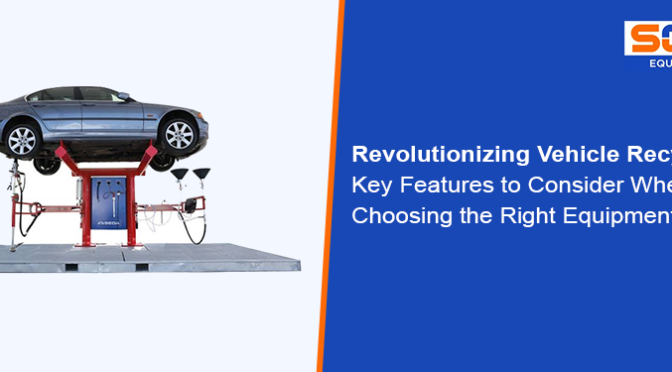
Revolutionizing Vehicle Recycling: Key Features to Consider When Choosing the Right Equipment

Optimize your recycling operation, maximize profitability, and contribute to a greener future

In today’s world, where environmental concerns and sustainability have taken center stage, vehicle recycling has emerged as a crucial industry. The process of dismantling and recycling vehicles helps reduce waste and recovers valuable materials for reuse. However, one must have the right equipment to run a successful vehicle recycling operation. The proper selection of recycling equipment can make a significant impact on the efficiency, cost-effectiveness, and environmental compliance of the entire process.

In this comprehensive guide, we will delve into the key features that you should consider when selecting vehicle recycling equipment. When you understand these essential factors, you can make an informed decision that optimizes your recycling operation, maximizes profitability, and contributes to a greener future.

Durability and Reliability: Building a Solid Foundation

This has to be the number one consideration – durability and reliability are paramount when selecting vehicle recycling equipment. The equipment should be built to withstand the rigorous demands of the recycling process and be capable of handling a variety of vehicles and materials.

Look for equipment made from high-quality materials and components known for their durability. Investing in equipment that can withstand heavy use over an extended period without frequent breakdowns is important, as downtime can be costly and disrupt workflow.

Versatility: Adapting to Changing Needs

Opt for equipment that offers versatility in the range of vehicles it can handle. Vehicle recycling equipment should accommodate different types of vehicles, including cars, trucks, SUVs, and even heavy-duty equipment.

Equipment that allows for easy customization and adjustment to handle various sizes and configurations is a saver. This flexibility will enable you to handle a broader range of vehicles and expand your recycling capabilities.

Safety Features: Prioritizing the Well-being of Operators

Safety is a top priority in any recycling operation. Look for equipment that incorporates advanced safety features to protect operators and minimize the risk of accidents. It includes safety guards, emergency stops, interlocks, and safety sensors.

Equipment that meets or exceeds industry safety standards and regulations to ensure compliance with legal requirements and minimize liability is always a great choice.

Efficiency and Productivity: Unleashing the Power of Optimization

Equipment that offers high processing speeds and quick cycle times enhances the efficiency of the recycling process. Advanced features such as automated feeding systems, hydraulic shears, and powerful engines can significantly improve processing efficiency.

Equipment with built-in sorting capabilities or integration with sorting systems can streamline recycling and increase productivity.

Environmental Considerations: Paving the Way for Sustainable Recycling

Sustainable practices and environmental compliance are increasingly important in the recycling industry. When choosing vehicle recycling equipment, consider models prioritizing energy efficiency and waste reduction.

Equipment with features like low power consumption, efficient filtration systems, and the ability to recycle fluids and recover valuable materials can minimize the environmental impact of your operation.

Ease of Maintenance and Serviceability: Keeping Operations Smooth

Regular maintenance and prompt servicing are essential for keeping your equipment in optimal working condition. Equipment designed for easy maintenance, with accessible components and user-friendly interfaces, is always preferable.

Consider manufacturers that offer comprehensive after-sales support, including readily available spare parts and knowledgeable technical assistance.

Cost and Return on Investment: Balancing Affordability and Quality

While cost should not be the sole determining factor, it is still important when selecting recycling equipment. Compare the upfront costs of different equipment options and evaluate the long-term return on investment.

Look for equipment that offers a balance between affordability and quality, ensuring that the chosen equipment will provide reliable performance and a reasonable lifespan.

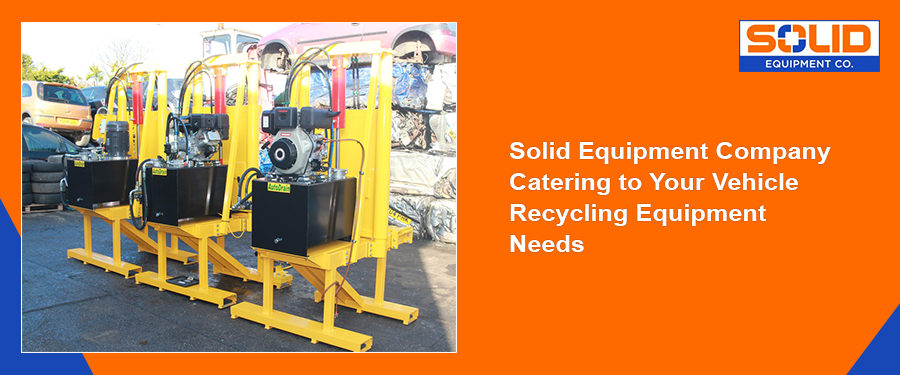
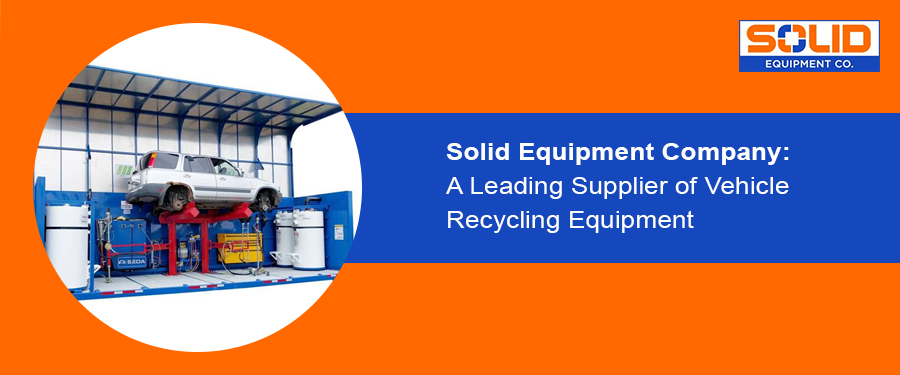
When investing in these equipment, having a reliable supplier is a must. Solid Equipment Company is a leading vehicle recycling equipment supplier in the United States, offering a comprehensive range of reliable and efficient industrial recycling solutions.

With our expertise and commitment to customer satisfaction, we can help you choose the right equipment to optimize your vehicle recycling operation. Contact us today to learn more about our products and services.

vehicle recycling machinery
Let us help you choose the right equipment to optimize your vehicle recycling operation

More to read in Solid Equipment Company Blog

Unlocking Hidden Value: Boosting Your Business with Used Recycling Equipment

Revolutionizing Your Recycling Process with a Wire Stripping Machine

Factors to Consider When Choosing Shears for Cutting Catalytic Converters

Catalytic converter shears are designed to efficiently cut through the metal housing of the catalytic converter allowing for the extraction of valuable materials.

Catalytic converters are crucial in reducing harmful vehicle emissions, making them essential to modern automobile exhaust systems. However, there are instances where these converters need to be removed or replaced, such as during repairs or upgrades.

Catalytic converters contain precious metals such as platinum, palladium, and rhodium, which act as catalysts to reduce harmful emissions from vehicle exhaust. These metals are limited resources, and mining them has significant environmental impacts. Recycling catalytic converters allows us to recover these precious metals and reduce the need for new mining operations, minimizing the environmental damage associated with extraction.

The right tools become paramount for recycling them, and shears designed specifically for cutting catalytic converters are the ideal choice. Shears designed to efficiently cut through the metal housing of the catalytic converter allow for the extraction of valuable materials.

Let’s learn the key factors when choosing shears for cutting catalytic converters.

Efficiency and Cutting Capacity

Look for shears with a high cutting capacity, ensuring they can handle the thickness and strength of the catalytic converter material. Opting for shears with a minimum cutting capacity of 1/8 inch is generally recommended, as they can effortlessly slice through the majority of converters.

Durability and Build Quality Matters

Given the robust nature of catalytic converter casings, choosing shears that are built to last is essential. The shears should withstand the force and pressure applied during cutting without bending or breaking.

Look for tools made from high-quality materials such as hardened steel or alloy steel, as they provide the strength and durability required for repeated use.

Ergonomics and Ease of Use

Cutting catalytic converters can be physically demanding, so choosing shears that offer ergonomic features and ease of use is important. Look for shears with comfortable handles that secure grip and minimize hand fatigue.

Non-slip coatings or rubberized handles can enhance grip and reduce the risk of accidents. Consider shears with a lightweight design, as they can make the cutting process more manageable and less strenuous.

Look for the Safety Features

Safety should always be a priority when working with tools, and shears for cutting catalytic converters are no exception. Shears with built-in safety features, such as a locking mechanism that keeps the blades closed when not in use, reduce the risk of accidental cuts.

Shears with finger guards or shields protect the hands from sharp edges during operation. Prioritize shears that prioritize safety to minimize the potential for injuries.

Versatility Can Be a Game-Changer

While the primary purpose of these auto shears is to cut through catalytic converters, choosing a tool that offers versatility is advantageous. Some shears may have interchangeable blades or the ability to cut through other materials, such as pipes or thin metals. This flexibility can be beneficial if you have other projects or tasks requiring cutting different materials.

Price and Budget

Set a budget range and look for shears that fall within that range while meeting your efficiency, durability, and safety requirements. Investing in a high-quality pair of shears may be a wise decision in the long run, as they will likely last longer and provide better performance.

By carefully evaluating these aspects, you can select the ideal shears that will make cutting catalytic converters smoother and more efficient, saving you time and effort. When cutting catalytic converters, choosing the right shears is crucial for efficiency, safety, and durability.

Solid Equipment Company is a leading supplier of high-quality catalytic converter shears in the United States, providing reliable and efficient solutions for recycling professionals. Their extensive range of shears ensures you can find the perfect equipment to streamline your catalytic converter processing while maximizing profitability. Contact them today for more information.

check solid equipment company for a range of catalytic converter shears
Our experienced team can help you to choose the right catalytic converter shears for your needs

More to read in Solid Equipment Company Blog

Uses and Significance of Wheel Popper Equipment in Industrial Recycling

A Guide to Finding Reliable Suppliers for Recycling Machinery and Equipment in the USA

The Benefits of Buying Used Recycling Equipment from a Trusted Supplier