Category Archives: Industrial Recycling Machinery

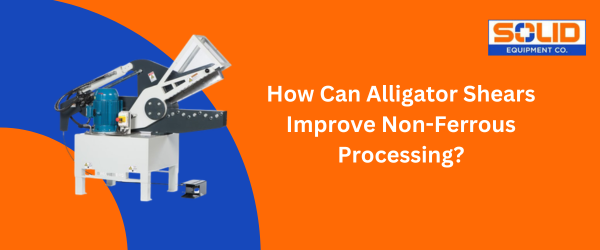
How Can Alligator Shears Improve Non-Ferrous Scrap Processing?

Non-ferrous metals like aluminum, copper, brass, lead, and specialty alloys are among the most valuable materials processed in today’s recycling industry. However, to maximize their value, these materials must be prepared efficiently before they are transported, sorted, or sold. 

This is where Alligator Shears play a critical role. While often associated with steel processing, hydraulic alligator shears are equally effective for cutting and preparing non-ferrous materials. By reducing oversized scrap into uniform pieces, recyclers can improve throughput, increase safety, lower transportation costs, and recover greater value from every load.

What Are Non-Ferrous Metals and Why Are They Valuable?

Non-ferrous metals are metals that contain little or no iron. Because they resist corrosion, conduct electricity efficiently, and can often be recycled repeatedly without losing quality, they remain in high demand across many industries. 

Common non-ferrous metals include: 

  • Aluminum
  • Copper
  • Brass
  • Lead
  • Bronze
  • Nickel and specialty alloys

Preparing these materials properly before resale helps improve handling, shipping efficiency, and overall profitability. Many recycling facilities invest in industrial recycling equipment specifically to maximize the recovery value of these high-demand metals. 

How Do Alligator Shears Work?

An alligator shear uses a hydraulically powered blade that closes against a fixed lower jaw, much like the mouth of an alligator. This powerful cutting action quickly reduces long or bulky scrap into manageable lengths. 

A modern hydraulic alligator shear can process materials such as: 

  • Aluminum extrusions
  • Copper tubing
  • Brass stock
  • Lead components
  • Structural non-ferrous scrap
  • Mixed metal offcuts

Instead of relying on labor-intensive manual cutting methods, operators can process large volumes of material safely and consistently. 

Why Are Alligator Shears Effective for Non-Ferrous Scrap?

Although many people associate Alligator Shears with cutting steel, they are also highly effective as alligator shears for non-ferrous metals. 

Reducing oversized material into consistent lengths makes it easier to: 

  • Sort different metal grades
  • Load trailers more efficiently
  • Package material for shipment
  • Feed downstream recycling equipment
  • Improve scrap inventory management

Uniform material is easier to handle throughout the recycling process, helping facilities maintain smoother operations from intake through resale. 

How Do Alligator Shears Improve Throughput?

One of the biggest advantages of Alligator Shears is their ability to process large quantities of scrap quickly. 

Compared to manual cutting methods, operators benefit from: 

  • Faster processing speeds
  • Consistent cut lengths
  • Reduced handling time
  • Increased daily production

Higher throughput means facilities can process more aluminum, copper, and brass without significantly increasing labor requirements. 

For operations focused on long-term productivity, investing in properly sized scrap metal cutting equipment often delivers measurable improvements in efficiency and profitability. 

How Do Alligator Shears Improve Worker Safety?

Handling oversized metal manually creates unnecessary safety risks. 

Using a hydraulic alligator shear helps reduce: 

  • Manual lifting and repositioning
  • Repetitive cutting tasks
  • Exposure to cutting tools
  • Operator fatigue
  • Workplace injuries

By allowing operators to process material with controlled hydraulic force, facilities create safer working environments while maintaining consistent production. 

How Do Alligator Shears Reduce Transportation Costs?

Transportation is a significant operating expense for most recyclers. 

Cutting bulky materials into uniform lengths allows facilities to: 

  • Maximize trailer capacity
  • Improve load stability
  • Reduce wasted shipping space
  • Increase payload efficiency

Better load density means fewer shipments are needed to move the same amount of material, helping lower transportation costs while improving logistics. 

How Do You Choose the Right Alligator Shear?

The best alligator shear for sale depends on the specific needs of your operation. 

Key Factors to Consider

  • Material type
  • Maximum material size
  • Blade length
  • Hydraulic power
  • Cycle time
  • Daily production volume
  • Available floor space

Selecting equipment that matches your workload helps avoid bottlenecks while improving return on investment. 

Facilities planning equipment upgrades often compare new machines with used recycling equipment to determine the best balance between performance and capital investment. 

What Maintenance Helps Keep Alligator Shears Performing?

Like any heavy-duty equipment, Alligator Shears perform best when maintained regularly. 

Routine maintenance includes: 

  • Checking hydraulic fluid levels
  • Inspecting hoses and fittings
  • Monitoring blade wear
  • Replacing hydraulic filters
  • Lubricating moving components
  • Inspecting cylinders and pins

Preventative maintenance helps reduce downtime, maintain cutting performance, and extend equipment life. 

Working with a knowledgeable equipment supplier also ensures replacement parts and service are available when needed. 

Are Alligator Shears Worth the Investment?

For facilities processing non-ferrous metals regularly, the answer is often yes. 

The combination of increased throughput, reduced labor, improved safety, and better transportation efficiency can provide an excellent long-term return on investment. 

Whether you’re processing aluminum recycling equipment streams, expanding copper scrap processing capabilities, or upgrading older metal shearing equipment, matching the right shear to your production goals is key to maximizing profitability. 

Final Thoughts

Alligator Shears are far more versatile than many recyclers realize. In addition to steel applications, they are highly effective for processing aluminum, copper, brass, lead, and other valuable non-ferrous materials. 

By producing clean, uniform material that is easier to sort, transport, and sell, an alligator shear helps improve efficiency throughout the recycling process. Combined with the right maintenance program and equipment selection, it becomes an investment that supports higher productivity, safer operations, and stronger returns for years to come. 

Facilities working with experienced partners like Solid Equipment can also benefit from expert guidance on equipment sizing, financing options, and selecting the right solutions for both current production needs and future growth. 
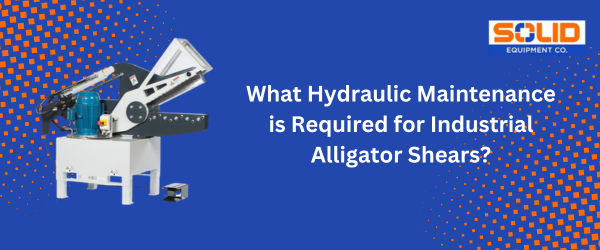
What Hydraulic Maintenance Is Required for Industrial Alligator Shears?

Hydraulic systems are the powerhouse behind industrial alligator shears. Every cut made through scrap metal, rebar, wire, catalytic converters, and other materials relies on hydraulic pressure to generate the force necessary for efficient processing. 

Without proper maintenance, even the most durable hydraulic alligator shears can experience reduced cutting performance, slower cycle times, increased wear, and costly downtime. Fortunately, routine hydraulic maintenance can help operators avoid major repairs while extending equipment life and improving safety. 

How Do Hydraulic Systems Power Industrial Alligator Shears?

The hydraulic system generates and transfers pressure throughout the machine, allowing the shear blade to cut through tough materials with consistent force

In a typical Industrial alligator shear, hydraulic pumps, cylinders, hoses, valves, and fluid work together to convert mechanical energy into cutting power. 

When properly maintained, these systems provide: 

  • Consistent cutting force
  • Faster cycle times 
  • Reduced wear on components 
  • Improved operator safety 
  • Longer equipment lifespan 


Because hydraulic performance directly impacts productivity, maintenance should be considered a critical part of daily operations. 

Why Is Hydraulic Fluid Important?

Hydraulic fluid does far more than transfer pressure. 

It also: 

  • Lubricates internal components 
  • Reduces friction and wear 
  • Helps dissipate heat 
  • Protects against corrosion 
  • Carries contaminants to filtration systems 

Low fluid levels or contaminated fluid can significantly impact the performance of industrial alligator shears. 

What Should Operators Check Daily?

Operators should routinely inspect: 

  • Hydraulic fluid levels 
  • Fluid color and clarity 
  • Signs of contamination 
  • Unusual odors or discoloration 

Dark, cloudy, or milky fluid may indicate contamination that requires immediate attention. 

How Often Should Hydraulic Filters Be Replaced?

Filters play a critical role in contamination control. 

Over time, dirt, metal particles, and debris accumulate within the hydraulic system. Filters prevent these contaminants from damaging pumps, valves, and cylinders. 

What are the Signs a Hydraulic Filter May Need Replacement?

  • Slower machine response 
  • Increased operating temperature 
  • Reduced cutting force 
  • Pressure fluctuations 

Following manufacturer-recommended replacement intervals is one of the simplest ways to protect scrap metal alligator shears from premature wear. 

What Hydraulic Components Should Be Inspected Regularly?

Routine inspections help identify small issues before they become expensive repairs. 

Hydraulic Hoses and Fittings

Inspect hoses for: 

  • Cracks 
  • Abrasions 
  • Bulges 
  • Leaks 
  • Loose connections 

Even a small leak can reduce system pressure and lead to performance issues. 

Hydraulic Cylinders

Hydraulic cylinders are responsible for delivering cutting force. 

Operators should look for: 

  • Damaged seals 
  • Fluid seepage 
  • Rod scoring 
  • Uneven movement 

Addressing cylinder issues early can prevent more extensive system failures. 

How Do You Detect Hydraulic Pressure Problems?

Maintaining proper pressure is essential for consistent cutting performance. 

What are the Warning Signs of Hydraulic Pressure Loss?

  • Reduced cutting power 
  • Slower cycle times 
  • Difficulty cutting thicker material 
  • Incomplete cuts 
  • Increased energy consumption 

Pressure gauges should be monitored regularly to ensure the system is operating within specifications. 

For operations focused on maximizing throughput, maintaining proper pressure helps ensure alligator scrap metal cutting shear equipment continues performing efficiently

What Are the Most Common Hydraulic Warning Signs?

Hydraulic issues often provide warning signs before a major failure occurs. 

Watch for These Indicators

  • Overheating hydraulic fluid 
  • Unusual noises or vibration 
  • Slow or sluggish machine operation 
  • Visible fluid leaks 
  • Pressure loss 
  • Contaminated hydraulic fluid 
  • Inconsistent cutting performance 

Ignoring these symptoms can lead to costly downtime and more extensive repairs. 


How Does Preventative Maintenance of Industrial Alligator Shears Reduce Downtime?

Preventative maintenance is one of the most effective ways to protect industrial alligator shears. 

A structured maintenance schedule allows operators to: 

  • Replace worn components before failure 
  • Detect leaks early 
  • Maintain proper fluid quality 
  • Monitor pressure trends 
  • Reduce unexpected shutdowns 

What are the Recommended Maintenance Intervals?

Inspection Item Frequency
Fluid Level Check  Daily 
Hose Inspection  Daily 
Leak Inspection  Daily 
Pressure Monitoring  Weekly 
Filter Inspection  Monthly 
Fluid Analysis  Quarterly 
Cylinder Inspection  Quarterly 


These routine checks help facilities avoid emergency repairs while maximizing uptime. 

Does Hydraulic Maintenance Extend the Lifespan of Industrial Alligator Shears?

Hydraulic systems represent one of the most important investments within heavy-duty industrial recycling equipment. Proper maintenance reduces wear on pumps, valves, cylinders, and other critical components. 

Facilities that prioritize preventative maintenance often experience: 

  • Longer equipment lifespan 
  • Lower repair costs 
  • Better productivity 
  • Improved operator safety 
  • Higher return on investment 

Whether operating new equipment or evaluating used alligator shears for sale, maintenance remains one of the biggest factors affecting long-term performance. 

How Maintenance Supports Long-Term Performance

Reliable hydraulic performance is essential for facilities focused on cutting scrap metal efficiently and safely. Many operators combine preventative maintenance with regular equipment evaluations and replacement planning to maximize productivity. 

Working with an experienced used recycling equipment supplier like Solid Equipment can help ensure access to replacement parts, technical support, and equipment solutions designed for demanding recycling environments. Resources covering topics such as alligator shear applications, equipment comparisons, and industrial recycling best practices can also help operators optimize performance over time.

Final Takeaway

Hydraulic maintenance is one of the most important responsibilities for operators of industrial alligator shears. Monitoring fluid quality, replacing filters, inspecting hoses and cylinders, and tracking system pressure all contribute to safer operation and more consistent performance. 

By investing in preventative maintenance and addressing issues early, scrap yards and recycling facilities can reduce downtime, extend equipment life, improve safety, and lower overall operating costs. In the long run, a proactive maintenance strategy is one of the most cost-effective ways to protect your equipment investment.

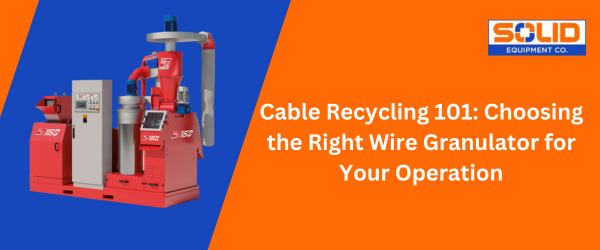
Cable Recycling 101 – Choosing the Right Wire Granulator for Your Operation

Cable recycling has become one of the most profitable segments of the recycling industry. As copper and aluminum prices remain valuable, recycling operations are looking for better ways to recover these metals from insulated wire and cable while minimizing labor costs and maximizing material recovery. 

At the center of this process is the wire granulator. Whether you’re a scrap yard operator, auto dismantler, electrical contractor, or recycling facility manager, choosing the right wire granulator can significantly impact productivity, recovery rates, and long-term profitability. 

What Is Cable Recycling and Why Does It Matter?

Cable recycling is the process of separating valuable metals from insulation and other non-metallic materials found in electrical wire and cable. Rather than sending insulated wire to landfill or selling it as a lower-grade commodity, recyclers can recover clean copper or aluminum that commands a significantly higher market value. 

Effective cable recycling helps facilities: 

  • Increase copper recovery and aluminum recovery rates 
  • Generate more revenue from existing material streams 
  • Reduce waste sent to landfills 
  • Improve overall scrap metal recovery efficiency 
  • Support sustainable recycling scrap metal operations 

For many facilities, investing in the right industrial recycling equipment creates opportunities to unlock additional value from materials that were previously underutilized. 

How Does a Wire Granulator Work?

A wire granulator machine is designed to process insulated wire by chopping it into smaller pieces and separating the metal from the insulation. 

The typical process includes: 

  1. Feeding wire into the machine 
  2. Granulating the material into smaller particles 
  3. Separating metal and insulation through air, density, and vibration systems 
  4. Collecting clean metal fractions for resale 

Unlike a traditional wire stripping machine, a wire granulator can process large volumes of mixed cable efficiently with minimal labor. 

Modern wire granulators are capable of producing high-purity copper and aluminum output suitable for premium scrap markets. 

Choosing the Right Wire Granulator

Not every operation requires the same equipment. The ideal wire granulator depends on several factors. 

Cable Type

Different machines perform better depending on the materials being processed: 

  • Residential wire 
  • Communication cable
  • Automotive harnesses 
  • Aluminum cable 
  • Mixed insulated wire 

Facilities handling a wide variety of materials often benefit from more versatile cable wire granulator systems. 

Processing Volume

The amount of material processed daily is one of the most important selection criteria.

Operation Size Recommended Equipment
Small operation Compact wire granulator machine
Mid-sized recycler Mid-capacity copper wire granulator
High-volume processor Industrial scrap copper wire granulator machine

Matching equipment size to throughput requirements helps avoid bottlenecks while preventing unnecessary capital expenses.

Small, Mid-Size, and Industrial Systems

Small Wire Granulators

Small systems are ideal for: 

  • Electrical contractors 
  • Small scrap yards 
  • Startup recycling operations 

Benefits include: 

  • Lower upfront cost 
  • Smaller footprint 
  • Reduced power consumption 

Mid-Size Wire Granulators 

These systems provide a balance between capacity and investment. 

They are often the best choice for: 

  • Growing recyclers 
  • Regional scrap processors 
  • Auto dismantling facilities 

A mid-sized copper wire granulator typically offers strong recovery rates while maintaining manageable operating costs. 

Industrial Wire Granulators

Industrial systems are designed for facilities processing large volumes of cable daily. 

Advantages include: 

  • Higher throughput 
  • Advanced separation systems 
  • Superior copper granulation performance 
  • Reduced labor requirements 

For high-volume operations, the increased productivity often delivers a faster return on investment despite higher upfront costs. 

Why Purity and Recovery Rates Matter

When evaluating a wire granulator, recovery quality is just as important as throughput. 

Key questions include: 

  • How clean is the recovered copper? 
  • What percentage of metal is recovered? 
  • How much metal remains in the waste stream? 

Many of today’s best copper wire granulator systems can achieve exceptionally high recovery rates, helping operators maximize the value of every pound processed. Facilities researching recovery performance often find it helpful to review examples such as how much copper a wire granulator can recover when comparing equipment options. 

Maintenance, Labor, and Operating Costs

The purchase price is only one part of the equation. 

Operators should evaluate: 

  • Blade replacement schedules 
  • Maintenance requirements 
  • Labor needs 
  • Energy consumption 
  • Parts availability 

A lower-cost machine that requires frequent repairs may ultimately cost more than a higher-quality system with dependable performance and readily available support. 

Floor Space, Dust Control, and Safety

Wire processing creates dust and fine particles that must be managed effectively. 

Important considerations include: 

  • Available floor space 
  • Dust collection systems 
  • Noise levels 
  • Operator safety features 
  • Material flow through the facility 

Many modern cable recycling machine systems incorporate integrated dust control and safety features that help create a cleaner and safer work environment. 

Should You Buy New or Used?

Both options can provide strong value depending on your operation. 

A quality used wire granulator for sale may offer significant savings while still delivering reliable performance. Many recyclers also explore used copper wire granulators for sale when expanding capacity without making a large capital investment. 

Working with an experienced equipment supplier helps ensure that used equipment has been properly evaluated and supported. 

Focus on Long-Term Productivity

The right wire granulator is not necessarily the cheapest machine. It is the one that consistently delivers the recovery rates, throughput, and reliability your operation needs. 

Whether you’re evaluating a copper granulator, a cable recycling machine for sale, or a complete wire processing line, focus on long-term productivity, operating costs, and material recovery performance. A properly matched system can improve copper recovery, reduce labor requirements, and create a stronger return on investment for years to come. 

For recycling operations looking to increase profitability and maximize scrap metal recovery, investing in the right wire granulator is often one of the smartest upgrades they can make. 

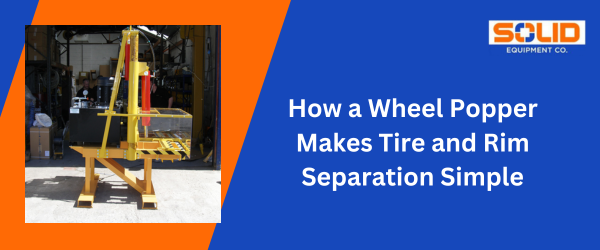
How a Wheel Popper Makes Tire and Rim Separation Simple

Separating tires from rims is one of the most common, and often frustrating, tasks in scrap yards, auto dismantling operations, and recycling facilities. Without the right equipment, tire removal is slow, physically demanding, and can expose workers to unnecessary risk. 

That is where a wheel rim popper changes the equation. Designed specifically for fast, controlled tire rim removal, this machine simplifies the process while improving safety, consistency, and overall throughput. 

The Challenge of Tire and Rim Separation

In many operations, separating scrap tire material from steel and alloy rims still involves manual tools or improvised methods. 

Common challenges include: 

  • High labor intensity and fatigue 
  • Risk of injury from prying tools or unstable wheels 
  • Inconsistent results depending on operator skill 
  • Slow processing times that limit throughput 
  • Damage to rims, reducing resale value 

As vehicle recycling volumes increase, these inefficiencies quickly add up. Facilities focused on vehicle recycling need a more reliable and scalable approach. 

What Is a Wheel Popper?

A wheel popper is a specialized tire removal machine designed to separate tires from rims using controlled hydraulic force. 

Instead of cutting or prying, the machine applies pressure at precise points to push the tire cleanly off the rim. This makes it one of the most efficient pieces of vehicle recycling equipment for handling end-of-life wheels. 

Operators exploring a wheel rim popper will find that it is built specifically for durability, repeatability, and ease of use in high-volume environments. 

How a Wheel Rim Popper Works

The process is straightforward and designed for speed: 

1.Position the wheel 

The operator places the tire and rim assembly into the machine. 

2. Secure the setup 

The machine stabilizes the wheel to prevent shifting during operation. 

3. Apply hydraulic force 

A powerful hydraulic arm presses against the tire bead. 

4. Separate the components 

The tire is pushed cleanly off the rim without cutting or damaging the metal. 

Because the machine separates tires in a controlled, repeatable way, it significantly reduces variability and operator error. 

Why a Wheel Rim Popper Is Safer Than Manual Removal

Safety is one of the biggest advantages of using a wheel rim popper. 

Reduced Risk to Workers

  • Eliminates the need for prying tools and manual force 
  • Keeps operators at a safe distance during operation 
  • Reduces strain-related injuries 

Controlled Operation

  • Hydraulic force is applied precisely and consistently 
  • Less chance of sudden releases or unstable movement 

For facilities prioritizing workplace safety, replacing manual tire removal with a tire rim removal machine is a major upgrade. 

Increased Speed and Processing Efficiency

A wheel rim popper dramatically improves processing speed. 

Key Efficiency Gains 

  • Faster separation compared to manual methods 
  • Consistent cycle times for predictable throughput 
  • Ability to process large volumes of wheels daily 

For scrap yards handling high volumes of scrap tire material, this translates directly into higher productivity. 

Many operators integrating broader vehicle recycling equipment find that adding a wheel popper removes a major bottleneck in their workflow. 

Labor Reduction and Cost Savings

Manual tire removal often requires multiple workers and significant time per wheel. A wheel rim popper reduces both. 

Cost Benefits

    Fewer labor hours per unit processed 
  • Reduced need for skilled manual labor 
  • Lower risk of costly workplace injuries 

Over time, these savings can offset the cost of the machine, especially in high-volume operations. 

Facilities evaluating a tire recycling machine for sale or other system upgrades often consider wheel poppers as one of the fastest ROI improvements. 

Built for Durability and Ease of Use

A well-designed wheel rim popper is built for industrial environments. 

Key Features 

  • Heavy-duty construction for long-term use 
  • Simple controls for operator ease 
  • Minimal maintenance requirements 
  • Reliable hydraulic systems 

For operations looking to scale, durability is critical. Whether purchasing new or exploring used recycling equipment for sale, reliability should be a top priority. 

Integrating a Wheel Popper Into Your Workflow

A wheel popper fits naturally into most recycling workflows. 

Typical Integration Points 

  • Auto dismantling lines 
  • Scrap yard intake areas 
  • Tire recycling operations 
  • Metal recovery systems 

By separating tires early in the process, facilities can: 

  • Improve downstream metal recycling machine efficiency 
  • Increase the value of recovered steel and alloy rims 
  • Streamline handling of scrap tire material 

Operators looking to improve overall system performance often explore broader industrial recycling solutions to complement their equipment setup. 

Real-World Impact in Recycling Operations

In practice, a wheel rim popper helps facilities: 

  • Process more wheels per shift 
  • Reduce labor costs 
  • Improve worker safety 
  • Increase recovery value from rims 
  • Maintain consistent operational flow 

Working with an experienced Solid Equipment ensures access to reliable wheel rim popper equipment, along with support, parts availability, and guidance on system integration. 

Final Takeaway

Separating tires from rims does not have to be slow, dangerous, or labor-intensive. A wheel rim popper provides a simple, efficient solution that improves safety, speeds up processing, and reduces operational costs. 

For scrap yards, tire recyclers, and vehicle recycling operations, it is a practical upgrade that delivers immediate impact. 

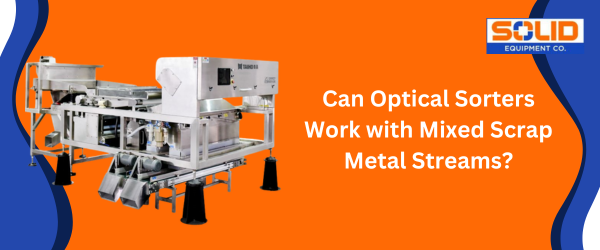
Can Optical Sorters Work with Mixed Scrap Metal Streams?

Modern recycling operations are processing more complex, mixed scrap streams than ever before. From shredded automobiles to e-scrap and mixed non-ferrous fractions, the challenge is no longer just collecting material. It is sorting it accurately, quickly, and profitably. 

This is where optical sorters come in. But can they actually handle mixed scrap metal streams effectively? The short answer is yes. When properly integrated, optical sorting machines are one of the most powerful tools for improving metal recovery, purity, and operational efficiency.

What Are Mixed Scrap Metal Streams?

Mixed scrap streams contain a combination of different materials and metals, often including: 

  • Ferrous and non-ferrous metals 
  • Aluminum, copper, brass, stainless steel 
  • Insulated wire and electronic scrap (e-scrap) 
  • Plastics, rubber, and other contaminants 


These streams are common in scrap metal sorting operations, especially after shredding or initial processing. The challenge is separating valuable metals from contamination while maintaining throughput.

How Optical Sorters Identify and Separate Metals

Optical sorters use advanced sensing and machine vision to identify materials based on their physical and chemical properties. Unlike traditional methods, they do not rely solely on magnetism or density. 

A modern optical sorting machine typically uses: 

  • Cameras and machine vision to detect shape, color, and texture 
  • Near-infrared (NIR) or hyperspectral sensors to identify material composition 
  • AI-driven software to classify materials in real time 
  • Air jets or mechanical actuators to separate materials at high speed


For example, systems from providers like Chromasort specialize in identifying subtle differences between metals, making them highly effective for sorting scrap metal in mixed streams. 

If you are evaluating an optical sorter for sale, understanding these capabilities is key to determining how it will perform in your specific application. 

Can Optical Sorting Machines Process Mixed Scrap Streams?

Yes. Optical sorters are specifically designed to handle heterogeneous material streams. 

They excel in environments where: 

  • Materials are mixed and visually similar 
  • Traditional separation methods fall short 
  • Higher-value metal recovery is critical 


By analyzing each piece of material individually, optical sorting machines can sort scrap metal with a level of precision that manual or mechanical methods cannot match. Many facilities exploring broader industrial recycling solutions are integrating optical systems specifically for this reason. 

What Metals Can Optical Sorters Detect?

Optical sorters can identify and separate a wide range of materials, including: 

  • Aluminum 
  • Copper 
  • Brass 
  • Stainless steel 
  • Insulated wire 
  • Certain alloys 
  • E-scrap components 


They are especially valuable in recovering non-ferrous metals that are difficult to separate using magnets or eddy current systems alone. 

How Accurate Are Optical Metal Sorting Machines?

Accuracy depends on material conditions and system configuration, but most modern optical sorters achieve very high sorting precision. 

Typical Performance Benefits

  • High purity output streams 
  • Significant contamination reduction 
  • Improved downstream processing efficiency 


Facilities using optical sorting machines often see measurable improvements in scrap metal sorting quality and resale value. Insights shared in resources like the benefits of optical sorting machines reinforce how impactful these gains can be. 

How Fast Can Optical Sorting Systems Process Scrap?

Throughput is one of the biggest advantages of optical sorters. 

  • High-speed conveyors process large volumes continuously 
  • Real-time identification allows instant separation 
  • Scalable systems can match facility capacity 


For high-volume operations, this makes optical sorters a strong fit alongside other metal sorting equipment already in use. 

Do Optical Sorters Replace Manual Scrap Sorting?

No. Optical sorters enhance, not eliminate, manual processes. 

What They Replace

  • Repetitive, labor-intensive sorting tasks 
  • Inconsistent manual decision-making 

What They Improve

  • Worker safety 
  • Sorting consistency 
  • Overall efficiency 


In most facilities, optical sorting machines are integrated alongside manual and mechanical systems to create a more efficient workflow. 

Integration with Other Sorting Technologies

Optical sorters perform best when combined with other metal sorting equipment. 

A typical scrap metal processing line might include: 

  • Magnets to remove ferrous metals 
  • Eddy current systems for non-ferrous separation 
  • Optical sorters for fine material classification 


This layered approach ensures maximum recovery. Facilities evaluating upgrades often reference guides on finding reliable recycling equipment suppliers to better understand how these systems work together. 

ROI and Operational Efficiency

Investing in optical sorters delivers measurable operational benefits: 

Increased Revenue

  • Higher purity materials command better market prices 
  • Improved recovery of valuable metals like copper and aluminum 

Reduced Costs

  • Lower labor requirements 
  • Less reprocessing due to contamination 

Improved Uptime

  • Automated systems reduce bottlenecks 
  • Consistent performance improves supply chain efficiency 


For operators evaluating a used optical sorter for sale or other used recycling equipment for sale, optical technology can offer a faster and more predictable return on investment. Additional insights on maximizing value can be found in resources like unlocking hidden value with used equipment.

Real-World Impact

Facilities processing shredded scrap, e-scrap, or mixed non-ferrous streams are using optical sorters to: 

  • Increase recovery rates 
  • Improve consistency in output materials 
  • Reduce contamination penalties from buyers 


Working with an experienced partner like Solid Equipment allows operators to evaluate optical sorting machines, explore financing options, and integrate solutions tailored to their operation. 

Final Thoughts

So, can optical sorters work with mixed scrap metal streams? Absolutely.

They are one of the most effective tools available for sorting metals in complex, high-volume environments. By combining machine vision, sensors, and AI-driven decision-making, optical sorters enable recycling facilities to achieve higher purity, better recovery rates, and stronger profitability.

For operations looking to stay competitive, optical sorting is no longer a future investment. It is a current advantage.

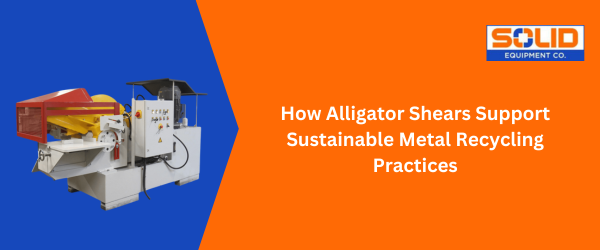
How Alligator Shears Support Sustainable Metal Recycling Practices

Sustainability in recycling is often discussed as environmental responsibility, but for modern scrap yards and processors, sustainable metal recycling practices are equally about operational efficiency. Reducing unnecessary handling, minimizing energy use, and maximizing material recovery all directly impact profitability and long-term viability. 

One of the most effective ways to achieve this balance is through the use of alligator shears. By allowing recyclers to precisely cut and size scrap metal early in the process, alligator shears help streamline workflows, reduce waste, and improve the quality of material reintroduced into the supply chain. 

What Are Alligator Shears and How Are They Used? 

Alligator shears are stationary or skid-mounted hydraulic machines designed to cut, size, and prepare scrap metal for downstream processing. Commonly used in scrap yards, auto dismantling operations, and industrial recycling facilities, they provide controlled cutting power for steel, aluminum, copper, and other metals. 

Unlike shredders, which rely on high-energy fragmentation, alligator shears offer precise, low-energy cutting. This controlled approach reduces unnecessary material degradation and supports cleaner separation. A closer look at modern alligator shears shows how they are built to handle a wide range of scrap types while maintaining consistency and safety. 

How Alligator Shears Support Metal Recycling Efficiency 

Alligator shears play a critical role in how scrap metal is prepared for recycling. Proper preparation is one of the most important, but often underestimated, steps in sustainable operations. 

By cutting oversized or irregular scrap into uniform lengths, alligator shears help recyclers: 

  • Improve metal sorting accuracy 
  • Reduce contamination in furnace feedstock 
  • Increase consistency across processing batches 
  • Prepare scrap for baling, shredding, or direct melting 

This upfront sizing directly improves how scrap metal is prepared for recycling, reducing inefficiencies throughout the rest of the system

Why Metal Sizing Matters in Sustainable Recycling 

One of the key drivers of energy use in metal recycling is inconsistent feedstock. Poorly sized scrap melts unevenly, increasing furnace time, fuel consumption, and slag production. 

By producing consistent, manageable scrap sizes, alligator shears help: 

  • Improve furnace efficiency 
  • Lower overall energy consumption 
  • Reduce slag and non-metal waste 
  • Increase recovery rates 


These improvements align directly with reducing energy use in metal recycling and support environmentally responsible processing without sacrificing throughput. 

Operational Benefits That Support Sustainability 

Sustainability also means protecting people, equipment, and logistics efficiency. 

Safer Operations 

Hydraulic shearing reduces the need for torch cutting, lowering fire risk, airborne particulates, and operator exposure. This contributes to safer work environments and cleaner facilities. 

Lower Transportation and Fuel Costs 

Sized scrap stacks more efficiently and loads more predictably. This means fewer truckloads, better weight utilization, and reduced fuel consumption—key elements of environmentally friendly scrap processing. 

Extended Equipment Life 

Uniform scrap reduces shock loads and jams in shredders, conveyors, and furnaces. This extends the lifespan of downstream equipment and supports recycling equipment for circular economy workflows. 

How Alligator Shears Fit Into Circular Economy Recycling 

In a circular economy, materials must be recovered efficiently and returned to production with minimal loss. Alligator shears support this model by improving material quality before it ever reaches refining or melting stages. 

Cleaner, well-sized scrap improves resale value and makes recycled metal easier to reintroduce into manufacturing supply chains. This is why alligator shears are often highlighted in discussions around advanced industrial recycling equipment and long-term resource recovery strategies. 

Choosing the Right Alligator Shears for Your Operation 

Selecting the right shear is essential for long-term sustainability and ROI. Factors such as cutting force, blade length, duty cycle, and material thickness all matter. 

Many operations also find value in sourcing used recycling equipment from trusted suppliers, allowing them to upgrade capacity while maintaining budget control. Understanding why buying used recycling equipment can still support sustainability goals is especially relevant for growing operations. 

Working with an experienced industrial recycling equipment supplier ensures proper equipment matching, service support, and long-term reliability. 

Maintenance, Compliance, and Long-Term Sustainability 

Sustainable performance doesn’t stop at installation. Routine blade maintenance, hydraulic system checks, and proper operator training all ensure that alligator shears continue to cut cleanly and efficiently. 

Well-maintained equipment supports compliance by reducing dust, minimizing waste, and producing consistent material output, important factors as environmental and operational regulations evolve. Facilities focused on long-term success often combine proper maintenance with financing and upgrade planning, such as the options outlined in industrial equipment financing programs

A Foundation for Sustainable Metal Recycling Practices 

Alligator shears are not just cutting tools, they are foundational equipment for efficient, scalable, and sustainable metal recycling practices. By improving material preparation at the earliest stage, they reduce energy use, minimize waste, protect downstream equipment, and increase the value of recycled metal. 

When selected thoughtfully and maintained properly, alligator shears help recycling operations meet sustainability goals while improving safety, efficiency, and profitability across the entire workflow. 

Supporting Long-Term Sustainability Starts With the Right Equipment Partner 

Implementing alligator shears is not just an equipment decision—it’s an operational strategy. The right shear, sized correctly for your material mix and throughput goals, can help reduce waste, lower energy consumption, and strengthen your overall recycling workflow for years to come. 

Working with an experienced recycling equipment supplier gives you access to guidance beyond the machine itself, including system layout considerations, throughput planning, maintenance support, and upgrade paths as your operation evolves. Whether you’re evaluating new equipment, exploring used options, or planning future capacity growth, having a knowledgeable partner helps ensure your investment aligns with both sustainability goals and long-term performance. 

If you’re looking to improve efficiency, material recovery, and compliance while supporting sustainable metal recycling practices, contact us today. 

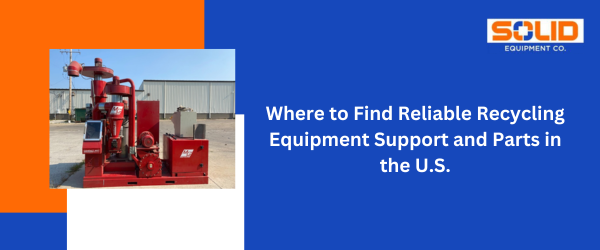
Where to Find Reliable Recycling Equipment Support and Parts in the U.S.

Recycling operators across the country are feeling the squeeze. Costs are rising, timelines are stretching, and downtime is more expensive than it’s ever been. What used to be a minor delay or a quick fix now has ripple effects across production, labor, and resale margins. Finding Reliable Recycling Equipment support is no longer just a purchasing decision. It is an operational survival strategy. 

What recyclers are dealing with right now

Most recycling facilities are facing a familiar and frustrating pattern: 

  • Overseas parts are taking weeks or months to arrive, disrupting in-house processing schedules 
  • Prices for common wear items like screens, belts, blades, cutters, and bearings continue to climb 
  • Cheap aftermarket parts fail faster, leading to repeat repairs and unexpected shutdowns 
  • Every hour of downtime costs more than it did even a year ago due to labor, energy, and missed revenue 


These challenges are tied directly to global supply chain disruptions, price inflation, and weak supply chain efficiency. For operations focused on upgrading scrap metal, scrap metal recovery, or running high-throughput scrap metal processing equipment, unreliable parts sourcing creates compounding risk. 

What to look for in a reliable U.S.-based recycling equipment partner

Not all suppliers are built to support today’s realities. A true Reliable Recycling Equipment partner should help stabilize cost, reduce downtime, and improve supply chain sourcing instead of adding friction.

  1. U.S.-based, in-stock inventory

A partner with U.S. based inventory and U.S. based in stock inventory can bypass overseas delays entirely. Domestic stocking means fast shipping, quick ship options, and predictable lead times for critical components and in-stock metal recycling machines. 

  1. OEM-grade or certified replacement parts

Low-cost knockoffs often wear faster and damage surrounding components. OEM-grade or certified parts protect metal processing machines, extend service life, and reduce unplanned maintenance during scrap metal separation processes. 

  1. Phone-based troubleshooting and remote support

When a machine goes down, immediate guidance matters. Phone-based diagnostics and remote support can resolve many issues without waiting for a site visit, keeping scrap metal recycling equipment running longer. 

  1. Field technicians for complex repairs

Some problems require hands-on expertise. Access to experienced field or heat technician support ensures complex repairs are handled correctly the first time, protecting throughput and safety. 

  1. Preventative maintenance programs

Preventative maintenance plans reduce wear, stabilize part replacement schedules, and help facilities forecast costs more accurately. This is especially critical for high-use scrap metal recycling machines. 

  1. Advance stocking of repeat-use parts

A partner that helps you pre-stock high-wear components reduces downtime risk and shields your operation from future price spikes tied to supply chain volatility. 

The real cost of downtime under inflation

Downtime adds up faster than many operators expect. Here is a simple example: 

Downtime Cost Factor Estimated Cost per Hour
Lost production revenue $2,500
Idle labor (operators, supervisors) $800
Delayed resale or processing revenue $1,200
Total cost per hour $4,500

A single eight-hour outage can cost over $36,000, not including secondary damage or missed contracts. This is why sourcing and supply chain management now plays a direct role in profitability. 

Why U.S.-based support matters more than ever

Reliable domestic suppliers strengthen supply chain solutions by reducing dependency on unstable international shipping lanes. Strong supplier relationship management allows recyclers to plan upgrades, manage used recycling equipment purchases, and scale operations with confidence. 

Companies like Solid Equipment position themselves as long-term partners rather than transactional vendors. With a focus on industrial recycling support, financing options, new and used recycling equipment for sale, and nationwide service, they help recyclers maintain uptime even in volatile market conditions. 

Learn more about their approach through resources like their About UsIndustrial Recycling SolutionsBrands We Carry, and Product Gallery. Their insights on finding reliable U.S. suppliers and the benefits of buying used recycling equipment further reinforce the value of dependable sourcing. 

Final takeaway

The question is no longer just where to buy parts. It is where to find Reliable Recycling Equipment support that protects uptime, stabilizes costs, and keeps throughput consistent. In a market defined by inflation and supply chain uncertainty, the right U.S.-based partner becomes one of your most valuable operational assets.

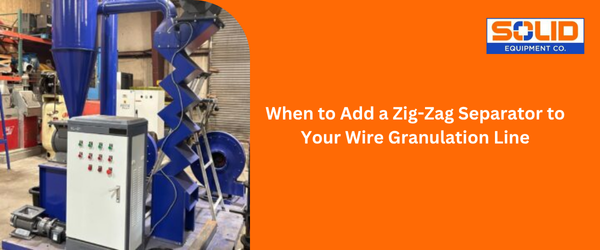
When to Add a Zig-Zag Separator to Your Wire Granulation Line

As wire processors push for higher purity, better yield, and faster throughput, many eventually hit the same bottleneck: too much light contamination mixed in with their metal output. Even a strong wire granulation line can only go so far before insulation, dust, and plastic reduce copper or aluminum quality.

That’s where a Zig-Zag Separator becomes transformative.

A Zig-Zag Separator uses controlled upward airflow inside an angled column to remove light contaminants (fluff, insulation, plastic, paper) from heavier metal fractions. Light material is lifted out of the airflow stream, while copper or aluminum drops downward for collection. It’s a simple, physics-driven approach to metal separation—but it dramatically improves copper recovery processing, throughput, and resale value.

If your facility handles mixed feedstock or is trying to reach higher purity standards, adding a Zig-Zag Separator may be one of the smartest upgrades you can make.

What a Zig-Zag Separator Does Inside a Wire Granulation System

Within a modern wire granulation process, the separator becomes a core refining stage. Once the granulator cuts wire into small particles, the Zig-Zag system uses airflow to:

  • Remove light plastic and insulation
  • Lift paper, fluff, and fines away from heavier metals
  • Improve the density of the final copper or aluminum output
  • Reduce reprocessing cycles caused by contamination
  • Increase consistency across batches


A dedicated model—such as the Zig-Zag Separator—adds efficiency without significantly changing the footprint of an existing wire granulation line.

When It Makes Sense to Add a Zig-Zag Separator

Not every operation needs one on day one. But most facilities hit a point where this upgrade provides a fast ROI.

  1. When Purity Rates Are Stuck Below Target

If you’re consistently hitting 85–92% purity but aiming for 95–99%, the limiter is often light contamination.
A Zig-Zag Separator cleans up the output stream so your metals separate cleanly.

  1. When Processing Mixed or Lower-Grade Feedstock

Mixed scrap wire processing—especially telecom, automotive harnesses, and lower-grade insulated wire—always carries more plastics.
Adding airflow separation helps stabilize quality even when input varies.

  1. When Upgrading From a Basic Granulator Line

Entry-level lines can granulate well, but they don’t refine enough.
A Zig-Zag Separator brings your system closer to industrial-grade performance found in advanced metal recycling machine machines to recycling scrap metal.

  1. When Scaling Up Production Capacity

Higher volume magnifies every inefficiency.
Adding a Zig-Zag system keeps quality consistent as throughput increases.

  1. When Downstream Refining Is Slow or Inefficient

If your shaker table or density separator keeps getting overloaded with fluff or plastic, the Zig-Zag removes most of it upfront—reducing labor and reprocessing.

Indicators That It’s Time to Invest

Your system is telling you what it needs. Common signals include:

  • Too much plastic or insulation showing up in the copper or aluminum output
  • Excess dust or fluff in the refining stages
  • Inconsistent purity across batches
  • Excessive reprocessing time
  • Declining resale value because buyers expect cleaner material
  • Operators manually compensating for contamination
  • Visible light material floating inside downstream separators


Any one of these is a strong predictor that your line is ready for airflow-based separation.

How the Right Zig-Zag Separator Improves ROI

A quality Zig-Zag doesn’t just clean material—it strengthens your operation.

Increased Yield

Cleaner separation means more salable copper or aluminum per batch.

Reduced Reprocessing Time

Less contamination = fewer repeat runs and less labor.

Higher Resale Value

Buyers pay more for clean copper granules and well-sorted aluminum.

Better Overall System Efficiency

Downstream systems work smoother with less light material clogging them.

Quick Comparison: Before vs. After Adding a Zig-Zag Separator

Performance Area Before After
Copper/Aluminum Purity Inconsistent Stable & higher
Light Contamination Frequent Significantly reduced
Downtime Higher due to rework Lower
Throughput Slower with bottlenecks Faster with smoother flow
Resale Value Market-average Premium pricing

Choosing a Zig-Zag Separator That Fits Your System

When evaluating models, look for:

  • Adjustable airflow
  • Steel construction designed for long-term metal sorting
  • Compatibility with existing granulators
  • Support from an experienced industrial equipment supplier
  • Availability of both new and used recycling equipment
  • Access to maintenance, financing, and fast-ship inventory


For help choosing the right model, explore:

A Smart Upgrade for Efficient Scrap Processing

Adding a Zig-Zag Separator is one of the most efficient ways to upgrade a wire granulation line, especially for facilities focused on maximizing yield, purity, and profit. Whether you’re processing telecom wire, auto harnesses, or mixed insulated scrap, a Zig-Zag helps you separate metals more cleanly while boosting long-term efficiency.

If you’re ready to increase purity, reduce rework, and strengthen your ROI, a Zig-Zag Separator is one of the highest-value upgrades you can make.

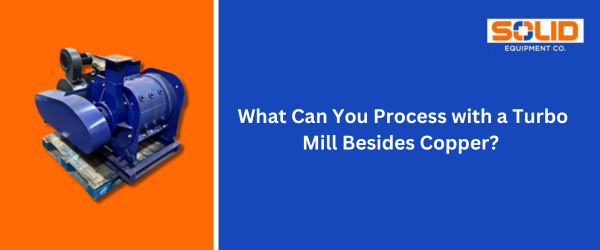
What Can You Process with a Turbo Mill Besides Copper?

When most people think of a Turbo Mill, they associate it with copper processing. While it’s true that these powerful machines play a major role in copper recovery, their capabilities extend far beyond that. Turbo Mills are remarkably versatile, designed for size reduction, material liberation, and particle uniformity across a wide range of metals and composites found in today’s recycling operations. 

Whether you’re handling end-of-life vehicles, printed circuit boards, or industrial scrap, a Turbo Mill can help maximize material purity, throughput, and overall profitability. 

What Is a Turbo Mill and Why Is It Popular?

A Turbo Mill, also known as a turbo milling machine, is a high-speed impact mill that uses centrifugal force to pulverize and separate materials. Its design allows for consistent and efficient particle size reduction, making it a top choice among recyclers who need to process large volumes of mixed or composite materials. 

Why recyclers choose Turbo Mills:

  • High throughput: Capable of handling large material loads efficiently. 
  • Uniform particle size: Ensures clean, consistent output for downstream separation. 
  • Energy efficiency: Uses less energy compared to traditional hammer mills. 
  • Low maintenance: Designed for long-term durability with minimal downtime. 

Because of these benefits, Turbo Mills are commonly found in industrial recycling equipment setups across scrap yards, auto dismantling facilities, and metal processing plants. 

Materials a Turbo Mill Can Process (Beyond Copper)

While copper recovery remains a major use case, Turbo Mills can process an impressive range of materials. Below is a breakdown of what these machines can handle effectively: 

Material Common Source Resulting Value
Aluminum Auto body components, heat sinks, beverage scrap Higher resale value when separated cleanly
Brass Plumbing, industrial valves, electrical fittings Clean brass granules with strong resale demand
Zinc & Zinc Alloys Die-cast parts, galvanizing scrap Improved purity prior to smelting
Steel Fines & Ferrous Fragments EV motors, shredded auto bodies Enhanced magnetic separation and recovery rates
Printed Circuit Boards (PCBs) Computers, appliances, EV battery systems Recovery of copper, precious metals, and specialty alloys
Plastic and Polymer Insulations Wire coatings, appliance housings Cleaner separation for energy recovery or reuse
Composite Materials Automotive assemblies, shredder residue Multi-stage separation enables higher overall yield

By utilizing a Turbo Mill for diverse materials, recyclers can reduce contamination, improve sorting efficiency, and achieve higher recovery yields. 

The Turbo Mill Advantage in End-of-Life Vehicle Recycling

Processing end-of-life vehicles (ELVs) poses unique challenges due to the variety of metals, plastics, and composites involved. A Turbo Mill simplifies the scrap metal separation process by refining shredded vehicle materials into smaller, more uniform particles, allowing for efficient sorting and purification. 

Key benefits for ELV recycling include: 

  • Higher recovery rates: Extract more valuable metals from auto shred residue. 
  • Cleaner separation: Improves downstream sorting accuracy. 
  • Reduced landfill waste: Maximizes sustainability through material reuse. 

For recyclers focused on sustainable automotive recycling, incorporating a Turbo Mill into your workflow can transform waste into new revenue streams. Learn more about the profit potential of advanced industrial recycling equipment

Maximizing Profit and Performance with a Turbo Mill

Investing in a Turbo Mill for sale offers long-term economic and operational benefits. Not only does it streamline the scrap metal processing workflow, but it also ensures consistent quality for resale and refining. 

How a Turbo Mill boosts profitability: 

  • Improves metal purity — resulting in higher resale prices. 
  • Enhances throughput — processes more scrap in less time. 
  • Reduces manual sorting labor — cutting operational costs. 
  • Extends the life of downstream equipment — cleaner feedstock reduces wear and tear. 

If you’re considering upgrading or expanding your recycling line, explore options for used recycling equipment for sale to achieve a strong ROI. For tips on optimizing performance, read How to Maximize Used Recycling Equipment ROI

Explore Turbo Milling Solutions for Your Recycling Business

Whether you’re refining copper, aluminum, or end-of-life vehicles, a Turbo Mill can deliver the precision, efficiency, and power needed to optimize your recycling line. 

Learn more about brands we carry or find a reliable industrial recycling equipment supplier in the U.S.. For more insights on boosting productivity, check out our FAQs and About Us pages. 

With the right equipment and strategy, your business can turn scrap into sustainable profit. 

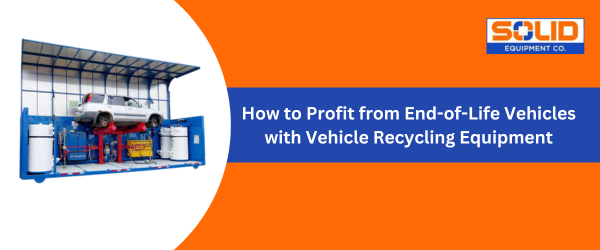
How to Profit from End-of-Life Vehicles with Vehicle Recycling Equipment

What Are End-Of-Life Vehicles? 

End-of-life vehicles (ELVs) are cars and trucks that have reached the end of their usable life due to age, damage, or costly repairs. Instead of letting these vehicles sit in a field or head straight to landfill, salvage yards turns them into valuable resources. 

An ELV contains: 

  • Scrap metal (steel, aluminum, copper) 
  • Reusable auto parts (engines, transmissions, wheels) 
  • Specialized components like catalytic converters and batteries 
  • Plastics, glass, and fluids that can be recovered or disposed of safely 


By using modern vehicle recycling equipment, scrap yards and auto dismantlers can unlock multiple profit streams while meeting strict sustainability regulations. 

How Does Vehicle Recycling Make Money?

The vehicle dismantling and recycling process creates value at every stage: 

Dismantling & Depollution

Using vehicle drainage systems, fuel extraction tools, and airbag deployment equipment, recyclers remove hazardous materials like fuel, oil, coolant, and airbags. This step ensures compliance and makes further processing safe. 

Parts Salvage & Resale

Quality used parts—engines, transmissions, alternators, wheels—can be cleaned, tested, and resold. Even simple tools like the wheel lug lock buster make part recovery more efficient. 

Scrap Metal Recovery

With shears, dismantlers, and shredders, auto scrap recyclers extract large volumes of steel and non-ferrous metals for resale in the scrap metal recycling market. 

Specialty Material Recycling 

  • Catalytic converters yield valuable precious metals. 
  • Aluminum/Steel rims can be popped off using the wheel rim popper
  • Plastics and wiring can be separated for additional revenue. 


Each of these streams adds to the bottom line, making scrapping old cars a highly profitable venture when done with the right equipment. 

What Equipment is Used to Recycle Cars?

Modern auto recycling machines streamline every stage of the process. Key categories include:

Stage  Equipment  Purpose 
Depollution Car depollution equipment, A/C removal, airbag deployment Safely remove fluids, gases, and explosives
Dismantling Auto dismantling equipment Recover engines, transmissions, and reusable parts
Processing Crushers, balers, auto shears Compress and prepare scrap for resale
Material Separation Shredders, separators Extract ferrous and non-ferrous metals, plastics, and glass


What Parts of a Vehicle Can Be Recycled for Profit?

  • Engines & transmissions – resold for reuse 
  • Catalytic converters – contain platinum, palladium, and rhodium 
  • Steel & aluminum – key markets for automotive scrap metal recycling 
  • Copper wiring & electronics – recovered for commercial metal recycling 
  • Rims & wheels – processed using specialized tools 
  • Plastics & glass – sold to secondary recyclers 

A single scrap vehicle can generate thousands in parts and materials when handled correctly. 

Economic and Environmental Benefits of Vehicles Recycling

  • Profitability: Each car creates multiple revenue streams from parts resale, metals, and specialty materials. 
  • Regulatory compliance: Meeting recycling targets is critical for European auto dismantlers, U.S. scrap yards, and global facilities. 
  • Sustainability: Prevents toxic materials from entering landfills and reduces the demand for new raw materials. 
  • Reputation: Businesses showcasing eco-friendly scrap vehicle recycling practices attract new customers and contracts. 

How to Choose the Right Vehicle Recycling Equipment

Selecting the best car recycling equipment depends on: 

  • Business size: Smaller yards may start with portable mobile dismantling containers; larger operations need high-throughput shredders and balers. 
  • Throughput goals: Estimate how many ELVs per day you want to process. 
  • ROI potential: Look at savings from labor reduction, resale value of salvaged parts, and higher yields from scrap metal auto recycling. 
  • Specialty needs: Consider add-ons like vehicle depollution equipment or auto dismantling tools based on your focus. 


Investing in high-quality vehicle recycling equipment is not a cost—it’s a pathway to maximizing profits, staying compliant, and building a sustainable recycling business.