Tag Archives: industrial recycling equipment

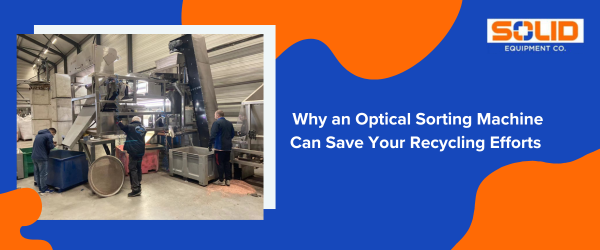
Why An Optical Sorting Machine Can Save Your Recycling Efforts

The recycling Industry has evolved and using technology to make the process more efficient. Separating commodities is important in recycling to maximize it’s “reuse”. Purity of a commodity brings more value to a manufacturer using the recycling product to produce a new item. Automating the separation process has been the goal for many recycling equipment manufacturers. Solid Equipment’s Optical Sorting Machine uses the latest technology to separate commodities by color/shape proving to be best in its class.


Industrial Processing and Recycling

generates valuable secondary resources that serve as raw materials for new products and goods. Depending on your business’s waste management strategy, you can either utilize these materials internally or sell them to other companies.

Some of the most common examples of recyclable industrial waste include:

  • Scrap & residuals from production processes
  • Coal combustion products
  • Construction and demolition debris
  • End-of-Life products (appliances, motor vehicles, & tires)

Optical Sorting Technology

Optical sorters have evolved beyond their initial use in MRFs. These versatile machines employ advanced sensors and algorithms to detect and separate materials with remarkable precision. Their applications extend across various sectors in the waste and recycling industry, including:

  • Food Waste
  • Metals
  • Fibers
  • Construction and Demolition Debris
  • Electronics

Unlike the manual sorting of the past, optical sorters use advanced sensors and algorithms to detect, recognize, and separate materials with unparalleled accuracy. Let’s delve deeper into their applications beyond MRFs and explore how they transform the recycling industry.

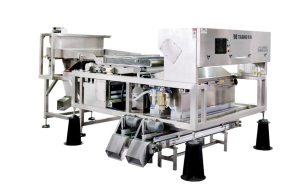
The Optical Color Sorter Machine

Operation

The optical sorter operates by materials on a conveyor belt passing a powerful light source at high speeds. During this journey, the materials absorb part of the light’s wavelength, while specialized lenses capture the reflected light. This data is then transmitted to a spectrometer and camera, creating a unique “signature” for each material. This signature-based approach enables the optical sorter to accurately detect and differentiate between various types of materials.
Key Benefits

Our Optical Sorting Machine offers several key benefits that can transform your resource recovery and recycling operations. It significantly improves resource recovery by efficiently extracting and separating valuable non-ferrous metals like copper and aluminum, maximizing the value of your waste materials. Enhanced productivity is another advantage, as the automated sorting process reduces the need for manual labor, increasing operational efficiency and cutting labor costs.

Versatility

The machine’s versatility allows it to handle various non-ferrous metals, making it suitable for a wide range of industries, including environmental protection and recycling facilities. Its low energy consumption design supports sustainability by reducing energy use and minimizing environmental impact. Additionally, the machine’s user-friendly interface and durable construction ensure ease of operation and long-term reliability with minimal maintenance.

Color Sorting

With high sorting accuracy and efficiency, the Optical Sorting Machine precisely separates materials, utilizing innovative technology to achieve consistent results. Its compact design saves space while maintaining high performance, making it an indispensable asset for any recycling operation. Invest in our Optical Sorting Machine today to streamline your processes and unlock the full potential of your recycling efforts.

Check out this video of the Optical Sorting Machine in action:

Finding the Right Equipment

Solid Equipment Company has a wide inventory of industrial recycling equipment. Make sure to explore our product listings to know which machine is going to be the best for your industrial recycling needs.

Dependable Recycling Equipment Partner

Solid Equipment Company specializes in high-quality machinery for scrap material recovery. Whether you’re already involved in metal scrap conversion or considering starting, reach out to our experts. Let us become your trusted recycling partner. We offer consultations to tailor solutions to your unique objectives. Contact us today!
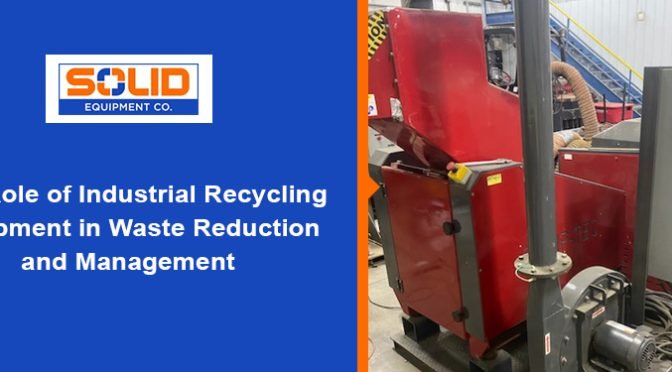
The Role of Industrial Recycling Equipment in Waste Reduction and Management

Industrial recycling equipment encompasses a broad range of machines designed to process waste and convert it into reusable materials. These machines are typically used in industrial settings, such as manufacturing plants, construction sites, and warehouses, that produce large amounts of waste. By recycling this waste, these facilities can reduce their environmental footprint and save money on disposal costs.

With the world’s population growing and consumption levels rising, waste management has become a critical concern for environmentalists, governments, and businesses alike.

Hence, in recent years, the importance of industrial recycling equipment in reducing waste and managing it more efficiently has become increasingly apparent.

Types of Industrial Recycling Equipment

Some of the most common types of industrial recycling equipment include:

Shredders

Shredders break down large objects, such as furniture, appliances, and construction materials, into smaller pieces that can be easily transported and recycled.

Balers

Balers compress waste materials, such as cardboard, plastic, and metal, into compact bales that can be easily transported and recycled. It reduces the amount of space required for waste storage and makes it easier to transport waste materials to recycling facilities.

Compactors

Compactors compress waste materials, such as foam, rubber, and textiles, into compact blocks that can be easily transported and recycled.

Crushers

Crushers break down waste materials, such as concrete and asphalt, into smaller pieces that can be reused in construction projects.

Granulators

Granulators process plastics and other materials, breaking them down into small pellets that can be used to produce new products.

Benefits of Industrial Recycling Equipment

The use of industrial recycling equipment has several benefits for waste reduction and management:

Reducing Landfill Waste

By recycling materials, facilities can reuse resources that would otherwise be discarded, reducing the amount of waste that ends up in landfills. It reduces the environmental impact of resource extraction and helps to conserve natural resources.

Greenhouse Gas Emissions Reduction

Landfills are a significant source of methane, a potent greenhouse gas contributing to climate change. By reducing the amount of waste in landfills, facilities can help reduce their carbon footprint and mitigate the effects of climate change.

Cost Savings

Recycling materials can save facilities money on waste disposal costs. Many businesses must pay fees for waste disposal, which can add up quickly, especially for facilities that produce large amounts of waste.

By recycling materials, facilities can reduce the amount of waste that needs to be disposed of, ultimately lowering disposal costs.

Resource Conservation

Recycling materials helps to conserve natural resources by reducing the need for new raw materials to be extracted from the earth. It can help to reduce the environmental impact of resource extraction and preserve resources for future generations.

Compliance with Regulations

Many countries have regulations that require businesses to recycle certain materials, such as electronic waste or hazardous materials. Using industrial recycling equipment can help companies to comply with these regulations, avoiding fines and other penalties.

Choosing the right industrial recycling equipment for a facility’s specific needs can help maximize these benefits, ultimately contributing to a more sustainable future.

Solid Equipment Company is a leading recycling machinery and used recycling equipment supplier in the United States.

We offer a wide range of recycling equipment, including scrap handling equipment, balers, shredders, and crushers from the industry’s top brands. We work closely with businesses to understand their unique needs and requirements and provide appropriate solutions that deliver excellent results.

Solid Equipment Company is the right choice if you’re looking for a reliable supplier for recycling machinery and used recycling equipment in the USA. We are committed to providing reliable equipment that meets the highest quality and performance standards.

Contact us today to learn more about our products and services and start your journey towards a more sustainable future.

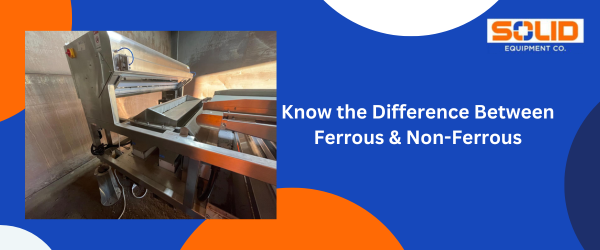
Know the Difference Between Ferrous & Non-ferrous

Scrap metal recycling is a lucrative, environmentally friendly business. Before you can get started, it’s imperative to understand the difference between ferrous & non-ferrous metals. In short, ferrous metals contain iron, while non-ferrous metals do not. This defining characteristic determines which uses and applications these metals are best suited for and how they are recycled.

What is Ferrous Metal?

Ferrous metals are alloys, meaning they contain several different metals, including iron. This makes ferrous metals strong, durable, and magnetic. Unfortunately, the high iron content also makes ferrous metals prone to rusting in wet environments.

Examples of these metals include steel, carbon steel, alloy steel, cast iron, and wrought iron. These materials are used in the following applications:

  • Engines and car parts
  • Building materials
  • Industrial piping
  • Machinery
  • Shipping containers
  • Heating elements
  • Electrical applications
  • Nails and tools
  • Cookware
  • Sheet metal
  • Chains and fencing

What is Non-Ferrous Metal?

Non-ferrous metals do not contain iron, making them light, malleable, and non-magnetic. They are also much less likely to rust and corrode than ferrous metals.

Examples include aluminum, copper, lead, nickel, tin, and zinc. The characteristics of these metals make them the ideal choice for numerous applications, including:

  • Aircraft parts
  • Food and drink cans
  • Sheet roofing
  • Outdoor signage
  • Power cables and batteries
  • Kitchen utensils
  • Galvanization (applying zinc to iron or steel to prevent rust)

Ferrous Scrap Metal Recycling

Ferrous scrap is the world’s most recycled material. In 2016, 65 million metric tons of iron and steel scrap valued at $15.9 billion was recycled worldwide. As a result, 40% of the world’s steel production is made from recycled ferrous scrap. Manufacturing new products from recycled metal consumes 75% less energy than using raw materials.

Non-Ferrous Scrap Metal Recycling

Aluminum and other non-ferrous metals maintain their chemical properties even after repeated recycling and reprocessing. As a result, they are infinitely recyclable. In fact, 75% of all aluminum processed since commercial manufacturing began in the 1880s is still in productive use today. The process is fast, too. Used aluminum cans can be recycled and put back on grocery store shelves in as little as 60 days.

Non-ferrous scrap metal recycling is critical to conserving natural resources. It comprises less than 10% of all scrap recycled in the United States by volume, but it represents nearly 50% of the total scrap value. In 2018, the U.S. recovered more than 9.2 million metric tons of non-ferrous scrap with an estimated worth of more than $34 billion.

How to Tell the Difference Between Ferrous & Non-Ferrous Metals

Both kinds of metal are used in buildings, cars, plumbing and electrical systems, and more. This means scrap from a remodeling or construction site is likely to contain both kinds of metal.

Industrial magnets are the key to separating the two quickly and efficiently. After all, magnetic ferrous metal will stick to the magnet, while non-ferrous metal will remain on the ground. Industrial magnets come in several forms, including electromagnetic overhand magnets and drum separator magnets.

Other Useful Tools for Recycling Scrap

In addition to separating different kinds of metal, you also need industrial recycling equipment to cut, compress, and otherwise reduce scrap down to a manageable size. The tools you may find useful in the scrap metal recycling business include:

If you need assistance with selecting the right scrap metal recycling tools, turn to the specialists at Solid Equipment Company. We offer new, used, and refurbished equipment to meet your needs.

Call 866-948-5406 or fill out our online contact form to discuss your  scrap metal recycling business with a knowledgeable industry expert.

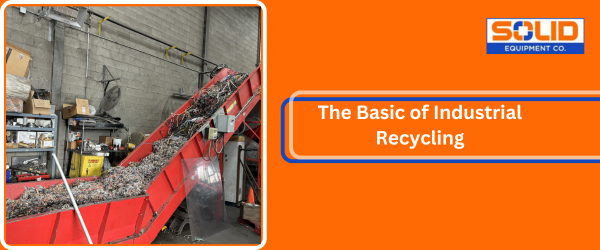
The Basics of Industrial Recycling

Every industry—from manufacturing and medicine to agriculture and energy products—generates reusable and recyclable materials. Much like household waste, including cardboard, paper, aluminum cans, and plastic containers, industrial waste is considered a valuable commodity. Using the correct processes and equipment, industrial waste can easily be reused or recycled.

What is Industrial Recycling?

Industrial recycling is the process of re-incorporating valuable secondary materials generated from industrial processes into newly manufactured products. Depending on what waste your industry produces, you may be able to reuse these materials in your company processes or sell them to another company that can use them. Examples of recyclable industrial waste include:

  • Scrap and residuals from production processes
  • Coal combustion products
  • Construction and demolition debris
  • Products that have been recovered at the end of their useful life, including appliances, motor vehicles, and tires

Industrial Recycling: An Effective Part of Waste Stream Management

Many industries focus on curbing their energy and water consumption during the manufacturing process. While noble, these goals often overshadow the impact that material disposal can have on the economy, human health, and the environment.

Proper waste stream management is a sustainability effort that can have tremendous benefits when implemented properly. Consider that industrial recycling is an effective part of waste stream management. Any waste that cannot be prevented or reused should be recycled to divert it away from landfills.

What is Beneficial Use?

Hundreds of millions of tons of non-hazardous secondary materials are disposed of each year. This comes at a substantial cost, both to the company generating the waste and the companies that must purchase more expensive raw materials because recycled goods aren’t available. Many of the industrial byproducts that end up in landfills have the potential to be recycled—or beneficially used—instead of going to waste.

Beneficial use is when recycled materials are substituted for raw materials in such a way that:

  • Provides beneficial functionality
  • Meets performance standards
  • Does not pose a risk to human health or the environment

Examples of industrial waste recycling for beneficial use include:

  • Using coal fly ash in place of Portland cement in concrete
  • Substituting desulfurization gypsum for mined gypsum in drywall
  • Utilizing spent foundry sands and slag in soil-related applications, such as base material at construction sites
  • Recycling crushed concrete and asphalt from construction projects for use as aggregate in new pavement

Common Industrial Recycling Equipment

Using the proper industrial recycling equipment contributes to a more efficient, profitable business. Consider some of the most common tools in use today:

  • Wire granulators recover the valuable copper and aluminum found inside industrial cables and wiring.
  • Hydraulic shears reduce scrap metal to a more manageable size.
  • Wire strippers strip and separate wiring of various diameters and materials.
  • Vehicle recycling equipment is used to drain, dismantle, separate, depollute, and recycle cars. Examples include vehicle tilting tables, fuel extractors, airbag deployers and wheel poppers.
  • Scrap balers make it easy to compress large metal objects into smaller, more transportable pieces.
  • Roll splitters are used to cut surplus or defective aluminum coils and other packing material reels.
  • Hammer mills break up everything from electric motors and transformers to green boards and copper meatballs.
  • Magnets help purify the product stream by separating metal from other recyclable materials, including plastic, rubber, paper, and wood.

Benefits of Industrial Recycling

Because of the potential for numerous economic, environmental, and performance benefits of industrial recycling, every company should pursue appropriate beneficial uses for the secondary materials they generate. Some of the advantages of doing so include:

  • Reduced costs: Everyone involved in the industrial recycling process saves money. The companies generating the waste reduce costs by reusing or reselling byproducts that would otherwise be thrown away. The companies purchasing secondary materials receive a discount compared to buying raw materials.
  • Conserved natural resources: When waste products are reused, it reduces the need to produce new raw materials, minimizing the dependence on virgin resources.
  • Fewer greenhouse gas emissions: Municipal solid waste landfills are the third-largest source of human-related methane emissions in the US. By reducing landfill volume, industrial recycling can help slow global climate change. The recycling process also usually emits fewer pollutants than the extraction and production of new materials.
  • Improved public perception: If your company strives to be a good corporate citizen, participating in industrial recycling brings you another step closer to this goal.

Industrial recycling rules and regulations vary across North America. If your business is looking for opportunities to reuse and recycle secondary materials, contact your local environmental protection office for more information.

You also need access to the proper industrial recycling equipment for the job. The specialists at Solid Equipment Company can help you identify the best machines to satisfy any industrial recycling challenge.

Call 866-948-5406 to discuss your industrial recycling needs with a knowledgeable industry expert.