All posts by admin

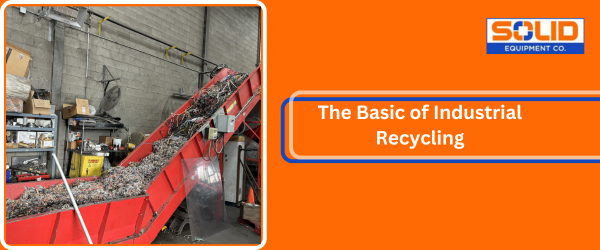
The Basics of Industrial Recycling

Every industry—from manufacturing and medicine to agriculture and energy products—generates reusable and recyclable materials. Much like household waste, including cardboard, paper, aluminum cans, and plastic containers, industrial waste is considered a valuable commodity. Using the correct processes and equipment, industrial waste can easily be reused or recycled.

What is Industrial Recycling?

Industrial recycling is the process of re-incorporating valuable secondary materials generated from industrial processes into newly manufactured products. Depending on what waste your industry produces, you may be able to reuse these materials in your company processes or sell them to another company that can use them. Examples of recyclable industrial waste include:

  • Scrap and residuals from production processes
  • Coal combustion products
  • Construction and demolition debris
  • Products that have been recovered at the end of their useful life, including appliances, motor vehicles, and tires

Industrial Recycling: An Effective Part of Waste Stream Management

Many industries focus on curbing their energy and water consumption during the manufacturing process. While noble, these goals often overshadow the impact that material disposal can have on the economy, human health, and the environment.

Proper waste stream management is a sustainability effort that can have tremendous benefits when implemented properly. Consider that industrial recycling is an effective part of waste stream management. Any waste that cannot be prevented or reused should be recycled to divert it away from landfills.

What is Beneficial Use?

Hundreds of millions of tons of non-hazardous secondary materials are disposed of each year. This comes at a substantial cost, both to the company generating the waste and the companies that must purchase more expensive raw materials because recycled goods aren’t available. Many of the industrial byproducts that end up in landfills have the potential to be recycled—or beneficially used—instead of going to waste.

Beneficial use is when recycled materials are substituted for raw materials in such a way that:

  • Provides beneficial functionality
  • Meets performance standards
  • Does not pose a risk to human health or the environment

Examples of industrial waste recycling for beneficial use include:

  • Using coal fly ash in place of Portland cement in concrete
  • Substituting desulfurization gypsum for mined gypsum in drywall
  • Utilizing spent foundry sands and slag in soil-related applications, such as base material at construction sites
  • Recycling crushed concrete and asphalt from construction projects for use as aggregate in new pavement

Common Industrial Recycling Equipment

Using the proper industrial recycling equipment contributes to a more efficient, profitable business. Consider some of the most common tools in use today:

  • Wire granulators recover the valuable copper and aluminum found inside industrial cables and wiring.
  • Hydraulic shears reduce scrap metal to a more manageable size.
  • Wire strippers strip and separate wiring of various diameters and materials.
  • Vehicle recycling equipment is used to drain, dismantle, separate, depollute, and recycle cars. Examples include vehicle tilting tables, fuel extractors, airbag deployers and wheel poppers.
  • Scrap balers make it easy to compress large metal objects into smaller, more transportable pieces.
  • Roll splitters are used to cut surplus or defective aluminum coils and other packing material reels.
  • Hammer mills break up everything from electric motors and transformers to green boards and copper meatballs.
  • Magnets help purify the product stream by separating metal from other recyclable materials, including plastic, rubber, paper, and wood.

Benefits of Industrial Recycling

Because of the potential for numerous economic, environmental, and performance benefits of industrial recycling, every company should pursue appropriate beneficial uses for the secondary materials they generate. Some of the advantages of doing so include:

  • Reduced costs: Everyone involved in the industrial recycling process saves money. The companies generating the waste reduce costs by reusing or reselling byproducts that would otherwise be thrown away. The companies purchasing secondary materials receive a discount compared to buying raw materials.
  • Conserved natural resources: When waste products are reused, it reduces the need to produce new raw materials, minimizing the dependence on virgin resources.
  • Fewer greenhouse gas emissions: Municipal solid waste landfills are the third-largest source of human-related methane emissions in the US. By reducing landfill volume, industrial recycling can help slow global climate change. The recycling process also usually emits fewer pollutants than the extraction and production of new materials.
  • Improved public perception: If your company strives to be a good corporate citizen, participating in industrial recycling brings you another step closer to this goal.

Industrial recycling rules and regulations vary across North America. If your business is looking for opportunities to reuse and recycle secondary materials, contact your local environmental protection office for more information.

You also need access to the proper industrial recycling equipment for the job. The specialists at Solid Equipment Company can help you identify the best machines to satisfy any industrial recycling challenge.

Call 866-948-5406 to discuss your industrial recycling needs with a knowledgeable industry expert.
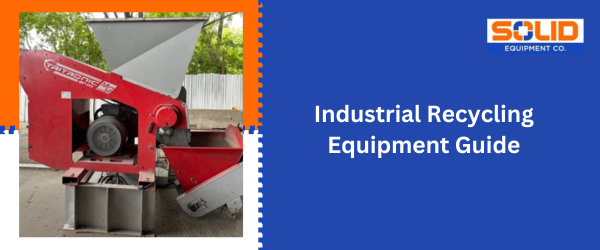
Industrial Recycling Equipment Guide

Access to the proper industrial recycling equipment is the key to an efficient and profitable business. With so many machines available for different purposes, how do you know which ones are best suited for the application at hand? Use this industrial recycling equipment guide to help you answer that question.

Wire Granulators

The copper and aluminum found inside industrial cables and wiring often go to waste. With the proper wire granulator, you can efficiently recycle and recover these valuable components. Find a model designed for the capacity and type of cable you need to process. Your options include:

Hydraulic Shears

Industrial hydraulic shears reduce scrap metal to a more manageable size. Whether you need powerful shears for bulky jobs or handheld shears for more precise work, you can find a product to meet your needs. Your options include:


Wire Strippers

Recycling scrap wire components can be very profitable. If you need to strip and separate wiring of various diameters and materials, wire strippers are the right tool for the job. The Kab-W is a popular model capable of splitting everything from thin PVC to heavily armored underground cables and steel mesh.

Vehicle Recycling Equipment

Meet the challenges of car recycling with a range of equipment designed to drain, dismantle, separate, depollute, and recycle motor vehicles.

  • Vehicle drainage: Remove up to 98% of liquids from end-of-life vehicles quickly, cleanly, and efficiently—without spilling a drop.
  • Vehicle rack and drainage: An optional drainage platform makes it easier than ever to extract gasoline, diesel fuel, oil, antifreeze, and other vehicle liquids.
  • Mobile vehicle dismantling container: Take your vehicle dismantling services anywhere with a mobile container. It opens up into a covered workstation complete with a static vehicle ramp, double diaphragm pumps, catchment areas, and preinstalled tank lines and connections.
  • Airbag deployment: This system neutralizes airbags and seatbelt tensioners at a reduced noise level and without particulate residue.
  • A/C removal: Vehicle air conditioning systems contain potentially hazardous refrigerants. An A/C removal system safely degasses automotive air conditioners without harming the environment.
  • Fuel extraction: A clean, low-cost fuel extractor is essential for vehicle depollution before it ends up in a scrapyard.
  • Fuel tank drill: The unique water and sediment separation system included with a fuel tank drill ensures you retrieve clean, reusable fuel from end-of-life vehicles.
  • Handheld hydraulic shears: While they have numerous applications, handheld shears are often used for separating car parts for reuse or recycling.
  • Wheel lug lock buster: This tool is the easiest way to remove a vehicle’s wheels without the locking nut key.
  • Wheel popper: Remove scrap tire material from steel and alloy rims at up to 240 units per hour with this efficient tire removal machine.
  • Electric motor recycling machines: Rugged, specialized equipment can split motor casings to recover the valuable copper and aluminum inside.

Miscellaneous Industrial Recycling Equipment

What other industrial recycling solutions do you need? Many assorted machines are available to meet your needs.

  • Scrap metal balers: This equipment makes it easy to compress large metal objects into small, transportable pieces.
  • Roll splitters: Cut up surplus or defective aluminum coils and other packing material reels for recycling purposes.
  • Dust suppression equipmentIndustrial recycling can generate dust, odor, and smoke. An electric, gas, PTO, or hydraulic-powered misting system makes the environment more pleasant for workers.
  • Hammer mills: Break up electric motors, transformers, copper meatballs, green boards, and much more.
  • Eddy current separators: By separating small aluminum chips from shredded and ground plastic, you can achieve the cleanest plastic flakes possible.
  • Stainless steel separation conveyors: A patented magnetic circuit design recovers stainless steel and ferrous dust from auto shredding and wire chopping streams.
  • Magnets: Whether you recycle plastic, electronics, tires, paper, metal, or wood, cross-belt magnets are ideal for purifying the product stream.
  • Electromagnetic overband magnets: This compact system is smaller and lighter than other magnets without any compromise in separation performance.
  • Drum separator magnets: This system removes iron contamination while the clean product stream continues its normal trajectory.

Contact Solid Equipment Company for Help Choosing Industrial Recycling Equipment

Do you still have questions about which industrial recycling equipment is right for you? The specialists at Solid Equipment Company can help you identify the best machines to satisfy any industrial recycling challenge. We offer new, used, and refurbished equipment to meet your needs. With our guidance, you’ll maximize productivity, minimize the costs of recovery, and optimize your bottom line.

Fill out our online contact form or call us at 866-948-5406 today to discuss your industrial recycling needs with an experienced industry expert.

Check out our link to this guide on Advanced Biofuels USA.

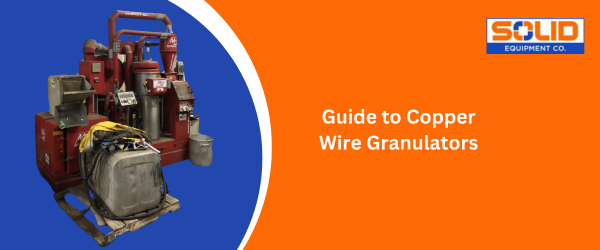
Guide to Copper Wire Granulators

Copper is a valuable material, but it, unfortunately, gets scrapped or lost frequently during industrial applications. Copper wire granulators are a great solution to this problem, as they allow copper wires and cable to be recovered and recycled for reuse. If you work in a facility that produces a large amount of material or industrial waste, consider copper wire granulators to ensure no copper is unnecessarily wasted.

How It Works

Different types of wire granulators will employ different methods to separate copper, but essentially, all wire granulators will take copper cable or wires and separate the copper part from the plastic that insulates it. The common way a wire granulator works is as follows:

  1. The first step to separating out a copper wire is to feed the scrap wire into the wire granulator. The wire that you feed into the machine will be insulated, and the insulation is exactly what the wire granulator is trying to remove.
  2. Once the wire has been fed into the machine, the granulator starts to crush it into a fine powder, hence the name granulator. The machine will shred the wire into tiny grains that can then be reused by manufacturers.
  3. Now that the wire has been crushed into a powder, the next step is to separate the copper powder from the plastic. Because copper is a highly conductive material, machines can use electrostatic separation to separate it from the non-conductive plastic. With the high-quality wire granulator equipment options from Solid Equipment Company, you can recover far more copper than lower-end machines.

Uses for Copper Wire Granulators

If you work in a scrapyard or anywhere where copper wiring or cabling might be getting thrown out, you’ll benefit greatly from a wire granulator. While this machine serves a single purpose, it is an extremely valuable one. Compared to many other metals, copper has higher ductility, making it desirable for many uses. As such, reselling copper from a salvaging business can create a decent profit.

While you could, in theory, have someone separate out the copper wire from the plastic by hand, the sheer amount of time this would take would be exorbitant. Solid Equipment Company’s wire granulator options are able to process massive amounts of copper wire, making them a highly efficient and lucrative choice. Some machines can also separate out aluminum wiring.

New & Used Recycling Equipment From Solid Equipment Company

If you are considering purchasing a copper wire granulator, Solid Equipment Company has the machine you need. Our team strives to make your recycling business more productive and more profitable, and we serve industrial recycling facilities, scrapyards, vehicle recyclers, and demolition companies throughout the United States and Canada. We offer both new and used recycling equipment from leading brands and manufacturers of industrial recycling equipment. With multiple options for wire granulators, we are bound to have the best solution for your needs.

Call 866-948-5406 or contact us online to request a quote for a copper wire granulator. Also, be sure to stop by our used equipment page for quality equipment at significant savings.