All posts by admin

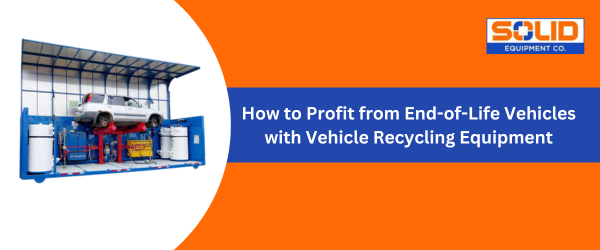
How to Profit from End-of-Life Vehicles with Vehicle Recycling Equipment

What Are End-Of-Life Vehicles? 

End-of-life vehicles (ELVs) are cars and trucks that have reached the end of their usable life due to age, damage, or costly repairs. Instead of letting these vehicles sit in a field or head straight to landfill, salvage yards turns them into valuable resources. 

An ELV contains: 

  • Scrap metal (steel, aluminum, copper) 
  • Reusable auto parts (engines, transmissions, wheels) 
  • Specialized components like catalytic converters and batteries 
  • Plastics, glass, and fluids that can be recovered or disposed of safely 


By using modern vehicle recycling equipment, scrap yards and auto dismantlers can unlock multiple profit streams while meeting strict sustainability regulations. 

How Does Vehicle Recycling Make Money?

The vehicle dismantling and recycling process creates value at every stage: 

Dismantling & Depollution

Using vehicle drainage systems, fuel extraction tools, and airbag deployment equipment, recyclers remove hazardous materials like fuel, oil, coolant, and airbags. This step ensures compliance and makes further processing safe. 

Parts Salvage & Resale

Quality used parts—engines, transmissions, alternators, wheels—can be cleaned, tested, and resold. Even simple tools like the wheel lug lock buster make part recovery more efficient. 

Scrap Metal Recovery

With shears, dismantlers, and shredders, auto scrap recyclers extract large volumes of steel and non-ferrous metals for resale in the scrap metal recycling market. 

Specialty Material Recycling 

  • Catalytic converters yield valuable precious metals. 
  • Aluminum/Steel rims can be popped off using the wheel rim popper
  • Plastics and wiring can be separated for additional revenue. 


Each of these streams adds to the bottom line, making scrapping old cars a highly profitable venture when done with the right equipment. 

What Equipment is Used to Recycle Cars?

Modern auto recycling machines streamline every stage of the process. Key categories include:

Stage  Equipment  Purpose 
Depollution Car depollution equipment, A/C removal, airbag deployment Safely remove fluids, gases, and explosives
Dismantling Auto dismantling equipment Recover engines, transmissions, and reusable parts
Processing Crushers, balers, auto shears Compress and prepare scrap for resale
Material Separation Shredders, separators Extract ferrous and non-ferrous metals, plastics, and glass


What Parts of a Vehicle Can Be Recycled for Profit?

  • Engines & transmissions – resold for reuse 
  • Catalytic converters – contain platinum, palladium, and rhodium 
  • Steel & aluminum – key markets for automotive scrap metal recycling 
  • Copper wiring & electronics – recovered for commercial metal recycling 
  • Rims & wheels – processed using specialized tools 
  • Plastics & glass – sold to secondary recyclers 

A single scrap vehicle can generate thousands in parts and materials when handled correctly. 

Economic and Environmental Benefits of Vehicles Recycling

  • Profitability: Each car creates multiple revenue streams from parts resale, metals, and specialty materials. 
  • Regulatory compliance: Meeting recycling targets is critical for European auto dismantlers, U.S. scrap yards, and global facilities. 
  • Sustainability: Prevents toxic materials from entering landfills and reduces the demand for new raw materials. 
  • Reputation: Businesses showcasing eco-friendly scrap vehicle recycling practices attract new customers and contracts. 

How to Choose the Right Vehicle Recycling Equipment

Selecting the best car recycling equipment depends on: 

  • Business size: Smaller yards may start with portable mobile dismantling containers; larger operations need high-throughput shredders and balers. 
  • Throughput goals: Estimate how many ELVs per day you want to process. 
  • ROI potential: Look at savings from labor reduction, resale value of salvaged parts, and higher yields from scrap metal auto recycling. 
  • Specialty needs: Consider add-ons like vehicle depollution equipment or auto dismantling tools based on your focus. 


Investing in high-quality vehicle recycling equipment is not a cost—it’s a pathway to maximizing profits, staying compliant, and building a sustainable recycling business. 
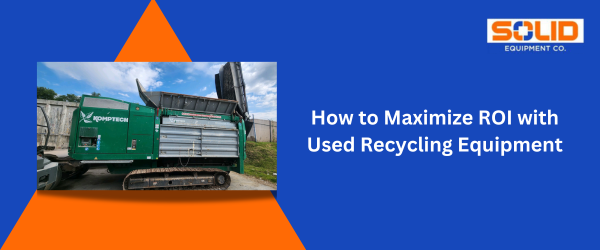
How to Maximize Used Recycling Equipment ROI

For scrap yards, recycling operations, and demolition companies, used recycling equipment can offer significant cost advantages without sacrificing performance. Getting the best return on your investment, though, depends on what you buy, who you buy it from, and how well you run and maintain it. 

This post breaks down exactly how to maximize ROI when buying used recycling equipment—and what to watch for along the way. 

What Makes Used Equipment a Smart Investment? 

New machinery often comes with high upfront costs and long lead times. Used industrial machinery, on the other hand, is typically available from U.S. based in stock inventory, and offers better pricing while still delivering excellent long-term value. 

Buying used gives operations the flexibility to: 

  • Cut capital expenditures while preserving capability 
  • Expand in-house processing without breaking the budget 
  • Access top brands at lower costs 
  • See faster payback on machinery 


For many operations, the used market is also the only affordable path to upgrading materials or scaling up their capacity. With solid inspection, you can secure the same core functionality as new—at a fraction of the cost. These benefits have made used recycling machines an essential part of business strategy across the industry. 

Which Equipment Offers the Best ROI When Bought Used? 

Some recycling machines hold their value better than others. The following types of equipment consistently deliver strong ROI when purchased used: 

  • Wire Strippers – Simple, rugged, and built for long-term throughput. 
  • Alligator Shears – Ideal for cutting and downsizing scrap with low maintenance needs. 
  • Granulators – Perfect for plastic and non-ferrous metal separation, especially in plants with dedicated in-house processing. 
  • Balers – A critical piece of scrap yard equipment for increasing material density and transport efficiency. 


These machines, especially when sourced from a supplier with tested inventory, are among the best used recycling equipment for scrap yards

Buying Tips That Improve ROI 

Getting value from used recycling equipment depends heavily on making the right decisions up front. Below are a few key factors to evaluate. 

  1. Equipment Condition and Service History

Always look into usage hours, maintenance records, and any refurbishment work that’s been done. Equipment that has been serviced with genuine parts and kept on a regular maintenance schedule is far more likely to deliver lasting value. 

  1. Brand and Build Quality

Stick with machines that come from established industrial manufacturers. Solid Equipment Company stocks a wide range of trusted brands that are known for durability and long-term performance. 

  1. Dealer Reputation

Work with U.S.-based dealers who inspect, test, and stand behind the machines they sell. Here’s what to look for when comparing suppliers. 

  1. Financing Options

If you’re buying multiple machines or upgrading a full line, take advantage of equipment financing to avoid upfront cash strain. 


When to Repair vs. Replace 

Extending the life of your used recycling equipment comes down to regular inspection and smart repair strategies. But not every issue is worth fixing. Here’s a quick breakdown: 

Situation  Recommended Action 
Minor hydraulic leak Repair
Consistent downtime, hard-to-source parts Replace
Throughput can’t meet demand Upgrade

Operators who regularly reassess performance and cost metrics tend to maximize profits with used industrial recycling machines more effectively than those who wait for failure. 

Maintenance: The Key to Long-Term ROI 

Proper maintenance doesn’t just prevent downtime—it directly impacts your recycling equipment ROI. Preventive service schedules, trained operators, and using quality replacement parts all contribute to keeping machines productive. 

For more on maintenance tips for used recycling machines to improve ROI, Solid Equipment Company offers guidance based on real-world use cases. 

Improving Profitability and Streamlining Operations 

The ability to process more material in-house, reduce outsourcing, and generate cleaner scrap directly affects your margins. Upgrading to better-performing used machines is one way to get there. Machines like scrap metal recycling equipment and heavy-duty balers allow you to move faster and sell higher-quality output—without tying up cash in new machinery. 

Learn more about how to unlock hidden value in your business with the right used equipment. 

Final Word 

Used recycling equipment, when chosen and managed carefully, can deliver exceptional ROI. It gives operations the flexibility to grow, pivot, and improve productivity without overspending. The key is in picking the right equipment, sourcing from the right dealer, and keeping it running with a focus on performance. 

Explore scrap metal recycling equipment for sale to see what’s currently available and ready to ship from Solid Equipment Company’s U.S.-based inventory. 

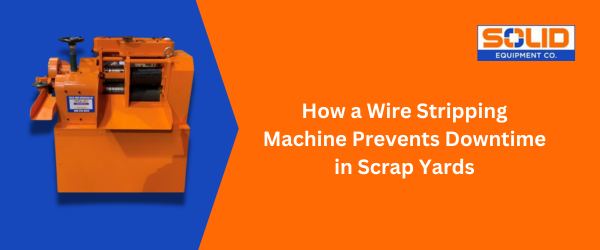
How a Wire Stripping Machine Prevents Downtime in Scrap Yards

Scrap yards run on speed, volume, and efficiency. When operations stall, revenue takes a hit. That’s why the used wire stripper is more than just a piece of scrap yard equipment—it’s a frontline tool in the fight against downtime. Wire stripping machines are engineered to remove insulation from copper and aluminum wire fast and clean. But their real value lies in how they help keep everything else moving. Below, we break down how a wire stripping machine prevents downtime, boosts productivity, and protects your bottom line. 

The Cost of Downtime in Scrap Yards 

Every minute a machine sits idle costs money. Downtime in industrial operations can cost thousands per hour, and scrap yards are no exception. 

Common downtime triggers: 

  • Clogged shredders or granulators due to improperly stripped wire 
  • Manual bottlenecks in processing insulated cables 
  • Delayed shipments due to slow wire prep 
  • Excessive wear and tear on high-impact equipment 
  • Labor shortages or injuries caused by manual stripping 

A used wire stripper for scrap yards helps neutralize these problems before they start.

How a Used Wire Stripper Improves Efficiency

  1. Fast and Consistent Output

A quality wire stripping machine can process hundreds of feet of wire per hour, far outperforming manual methods. Whether you’re recycling copper or aluminum, it cuts insulation cleanly and consistently—no delays, no backups. 

  1. Less Wear on Shredders

Feeding insulated wire directly into shredders increases the risk of clogging and accelerates equipment damage. Pre-stripped wire keeps your granulators and separators running smoothly and reduces the chance of unplanned repairs. 

  1. Reduced Labor Dependency

Manual stripping is slow, unsafe, and not scalable. A used wire stripper reduces your reliance on manual labor while increasing output. 

  1. Better Material Value

Clean copper and aluminum fetch higher prices. A cable stripper ensures every pound of wire is maximized for resale. 

Choosing the Right Used Wire Stripper 

Not all wire strippers are created equal. To get the most out of your investment, you need the right tool for your volume and material type 

Factor  What to Consider 
Wire Type  Copper, aluminum, mixed gauge 
Volume  Daily throughout in pounds/feet 
Insulation Type  Thick rubber, plastic, or thin film 
Feed Style  Manual, automatic, multi-channel 
Budget  Look for affordable used wire strippers with strong ROI 

For more details, check out how to choose the right used wire stripper.

Practical Tips to Maximize ROI

  • Buy Used, Not New: A used wire stripper for copper and aluminum wire delivers the same performance at a fraction of the price. 
  • Match Machine to Volume: Don’t under- or overspend—make sure your equipment scales with your yard’s needs. 
  • Prioritize Durability: Opt for machines designed for heavy-duty use to minimize breakdowns. 
  • Partner with Reliable Suppliers: Choose vendors like Solid Equipment Company for trusted brands and ongoing support. 

Don’t Let Your Yard Stall

If you’re serious about throughput, it’s time to rethink your workflow. A used wire stripper is one of the smartest additions to your scrap yard equipment lineup. It keeps your operation lean, fast, and productive—while saving you money on repairs, labor, and downtime. 

Ready to upgrade? Start with the experts at Solid Equipment Company, or browse their used recycling equipment to find an affordable used wire stripper for heavy-duty applications that fits your needs. 

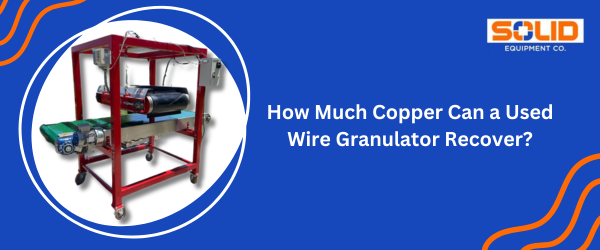
How Much Copper Can a Used Wire Granulator Recover?

For scrap recyclers and demolition crews, the value locked inside insulated copper wiring can add up fast—but only if you have the right equipment to unlock it. That’s where a used wire granulator can make a big difference. While brand-new machines can cost a significant chunk of capital, used copper granulators—when properly maintained and sourced from a trusted dealer—can recover up to 95–99% of copper content from scrap wire, often delivering performance that rivals brand-new models. 

What Is a Wire Granulator and How Does It Work? 

A wire granulator is a specialized piece of industrial recycling equipment designed to process waste electrical wiring and separate the copper from its insulation. Unlike a wire stripping machine, which removes insulation from individual wires, a copper wire granulator works by shredding bulk wire into small particles, then using air or water-based separation systems to isolate the metal from the plastic. 

This process, known as copper granulation, is especially effective for recovering copper from mixed or fine-gauge wires—where stripping would be inefficient or impossible. It’s widely used in scrap metal recovery operations across industries like construction, demolition, and electronics recycling. 

What Types of Wire Can It Process? 

A quality scrap copper wire granulator machine can handle a variety of materials, including: 

  • Automotive wiring harnesses 
  • Household electrical cables 
  • Communication and data cables 
  • Demolition scrap wire 
  • Mixed wire from recycling centers 


Some of the best copper wire granulator systems are even equipped to handle aluminum wiring or wires with unusually thick insulation. But copper remains the star of the show, with high-purity copper recovery being the goal of most operators. 

Copper Recovery Rates: Why 95–99% Matters 

The efficiency of a granulator is measured by its copper recovery rate—how much usable copper is recovered compared to how much was fed into the system. A low-end machine might only recover 70–80% of copper, leaving value on the table (or worse, in the landfill). But a well-maintained used copper granulator machine from a reliable manufacturer can easily reach 95–99% recovery rates, even after years of use. 

This level of precision translates into real dollars. Let’s say you process 1,000 pounds of scrap wire per week. At 99% recovery, you’re getting almost all of the copper—worth potentially thousands of dollars depending on market rates. At 85%, you’re losing up to 150 pounds per week, or the equivalent of hundreds in lost profit. 

Why a Used Wire Granulator Can Be a Smart Investment 

The term “used” doesn’t have to mean “inferior.” With the right servicing and inspection, a used wire granulator can offer near-new performance at a fraction of the cost. When sourced from a reputable dealer like Solid Equipment Company, these machines are thoroughly vetted for quality and reliability. 

Here are a few reasons budget-conscious buyers are turning to used equipment

  • Lower upfront investment: Reduce capital costs without sacrificing productivity 
  • Fast ROI: Shorten your break-even point thanks to immediate cost savings 
  • Proven durability: Trusted brands are built to last and perform over time 
  • Expert support: Get guidance on the right system for your volume, wire types, and recovery goals 


Browse our current inventory of used recycling equipment or see all wire granulators currently available. 

Real-World Output: What Can You Expect? 

Used wire granulators vary in capacity and output, depending on the model and condition. Here are some general performance benchmarks: 

Granulator Size: Compact (entry-level)

  • Input Capacity: 100-250 lbs/hr
  • Avg. Copper Recovery: 95-98%
  • Common Users: Small Shops, New Recyclers


Granulator Size: Mid-range

  • Input Capacity: 300-600 lbs/hr
  • Avg. Copper Recovery: 96-99%
  • Common Users: Scrap Yards, Demo Crews


Granulator Size: Industrial-Grade

  • Input Capacity: 1,000+ lbs/hr
  • Avg. Copper Recovery: 98-99%
  • Common Users: Recycling Centers, High-Volume Processors


Remember, the recovery rate depends not just on the machine, but also on the cleanliness of input material, consistent feed rate, and regular maintenance

Maintain for Maximum Value 

To get top performance out of a used wire granulator for sale, maintenance is key. Regularly replacing wear parts, cleaning out dust buildup, and inspecting the separation system can keep recovery rates high. A reputable dealer will often offer refurbished machines that are already serviced and ready to run, giving you a head start toward profitability. 

Learn more about the brands we carry and financing options that can make upgrading even easier. 

Why Trust Solid Equipment Company? 

At Solid Equipment Company, we specialize in pairing recyclers with the right industrial recycling equipment for their unique operations. Whether you’re looking for the best copper wire granulator for a growing business or a budget-friendly machine that delivers top-tier performance, our experts are here to help. We’ve written extensively about the top benefits of a wire granulator machine to help you make an informed decision. 

Ready to Unlock the Value in Your Scrap Wire? 

Don’t let high equipment costs slow down your recycling operation. A used wire granulator can offer a smart, efficient, and cost-effective way to recover high-purity copper from scrap wiring. Explore our product gallery or speak with an expert today to find the right fit for your business. 

Contact us today at 866-948-5406 to learn more or get help choosing a machine that matches your copper recovery goals. Your next smart investment in scrap metal recovery starts here. 

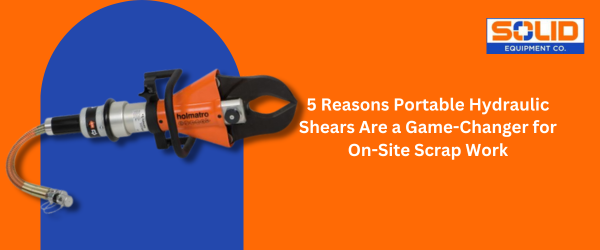
5 Reasons Portable Hydraulic Shears Are a Game-Changer For On-Site Scrap Work

In fast-paced environments like demolition sites, auto salvage yards, and industrial recycling facilities, efficiency, flexibility, and safety are non-negotiable. When it comes to processing scrap metal on-site, the right cutting tool can make all the difference. That’s why many operators are turning to portable hydraulic shears—versatile, high-powered tools that outperform manual methods and stationary systems in the field.

In this post, we’ll break down five reasons why portable hydraulic shears are transforming on-site scrap operations—and why adding them to your equipment lineup could boost both productivity and profitability.

1. Mobility and Versatility Across Job Sites

Unlike stationary shear systems, hand-held hydraulic shears can go wherever the scrap is. Whether you’re working through piles of scrap vehicles in an auto salvage yard or dismantling structural steel at a demolition site, having portable hydraulic metal shears means you can process material on location—no need to move heavy scrap to a fixed cutting area first.

Consider a demo crew tasked with downsizing structural beams inside an old factory. With handheld hydraulic shears or a mobile shear attached to an excavator, workers can process material right on the floor, saving hours of hauling time and reducing equipment wear. The portability of these tools keeps operations moving smoothly—even when space is tight, or materials are difficult to reposition.

2. Significant Labor Savings

Cutting scrap manually or hauling it to a stationary system can be incredibly labor-intensive. With a portable hydraulic shear, operators can cut thicker, tougher metals faster—and with less manpower.

For example, in an auto recycling yard, processing car frames or transmissions is much easier with a hydraulic shear cutter than with torches or manual saws. A single worker can move through a higher volume of material per shift, freeing up other team members for value-added tasks.

And when you’re investing in new tools, budget always matters. That’s why many savvy operators explore used recycling equipment for sale to maximize ROI.

3. Safer Scrap Processing

Manual cutting of thick metals with torches or grinders exposes workers to heat, sparks, flying debris, and repetitive stress. In contrast, Portable Hydraulic Shears offer a safer, more controlled way to cut scrap.

With hydraulic steel cutting tools, operators can cut through rebar, pipe, I-beams, and car parts with precision—minimizing stray sparks and reducing fatigue. Many handheld hydraulic shears feature ergonomic designs and built-in safety controls to further protect users.

Want to learn more about choosing the safest, most efficient tool for your operation? Don’t miss this comprehensive guide to selecting handheld hydraulic shears.

4. Increased Cutting Power and Capability

Hydraulic shears are designed to handle metals that manual tools and entry-level cutting options can’t touch. Many portable hydraulic shear models can easily slice through hardened steel, structural tubing, stainless pipe, and more.

Take the example of a scrap crew preparing shipping containers for recycling. The high-strength steel used in modern containers can quickly wear out manual cutters. But a quality hydraulic shear cutter slice through the material cleanly—saving time and increasing throughput.

For even greater cutting power, consider pairing handheld metal shears with a mobile power pack, or using vehicle-mounted hydraulic shears for heavy-duty demolition work. You’ll find a range of options from trusted brands at Solid Equipment Company.

5. Flexibility to Scale Operations

Finally, Portable Hydraulic Shears give you flexibility to grow your operation. Whether you run a small salvage yard or a large-scale industrial recycling plant, the right shear can scale with your needs.

Start with an entry-level handheld metal shear to handle shopfloor work or invest in a higher-capacity portable hydraulic metal shear for mobile crews. You can also upgrade to vehicle-mounted or excavator-mounted shears as project volume grows—without committing to the space or cost of a full stationary system.

If budget is a concern, used recycling equipment can be an excellent way to expand your capabilities. Learn more about the value of buying used recycling equipment and check out available hydraulic shears and more here.

Select the Right Portable Hydraulic Shears from a Trusted Supplier

For today’s demanding scrap, demolition, and industrial recycling operations, Portable Hydraulic Shears deliver unmatched efficiency, cutting power, safety, and flexibility. Whether you’re upgrading from manual tools, streamlining on-site work, or scaling your business, these versatile hydraulic steel cutting tools give you a real edge.

Explore the possibilities. Browse top models in our product gallery, check out current deals on used recycling equipment for sale, or talk with the experts at Solid Equipment Company about the right hydraulic shear cutter for your needs. And if you’re ready to grow, ask about flexible financing options to equip your team for success.

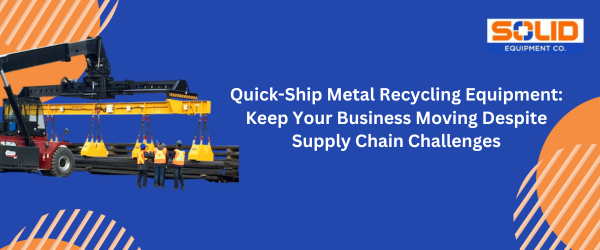
Quick-Ship Scrap Metal Recycling Equipment: Keep Your Business Moving Despite Supply Chain Challenges

In today’s unpredictable economy, delays in global supply chains can grind even the most efficient recycling operations to a halt. For metal recyclers, staying ahead of international tariffs, shipping disruptions, and inventory shortages means having a reliable, U.S.-based partner with quick-ship scrap metal recycling equipment in stock and ready to go.

As a leading provider of in-stock metal recycling machines, Solid Equipment helps businesses maintain supply chain efficiency and adapt to changing market conditions by offering domestic solutions that deliver speed, reliability, and long-term value.

A Reliable Source of U.S.-Based Inventory

Many businesses are still dealing with the ripple effects of global supply chain disruptions. Delays in sourcing equipment from overseas suppliers and fluctuating international pricing can slow down operations and lead to costly downtime. Solid Equipment Company offers a proactive solution by maintaining U.S.-based inventory of critical scrap metal recycling equipment for sale, including:

These machines are in-stock, ready to ship, and priced based on 2024 rates—offering predictable costs and immediate availability. Unlike many suppliers, Solid Equipment doesn’t raise prices on in-stock items, even as global tariffs shift. This commitment to pricing stability sets us apart and supports better supplier relationship management.

Upgrading Materials In-House to Avoid Outsourcing Risks

One of the most significant trends in sourcing in supply chain management is the shift away from overseas metal processing. With rising tariffs and transportation costs, more recyclers are turning to in-house processing. Solid Equipment makes this transition possible by supplying scrap metal processing equipment that allows recyclers to upgrade scrap metal directly at our facility.

Whether you’re looking to separate metals from plastics or refine lower-value materials into high-grade product, Solid Equipment provides the tools and training to help. Our machinery supports the full scrap metal separation process, from shredding to sorting, enabling recyclers to improve profit margins and reduce dependency on international vendors.

Used Equipment: A Smart Investment for Supply Chain Efficiency

Another way Solid Equipment helps clients improve supply chain sourcing is by offering a wide selection of used recycling equipment. Used machines come with significant cost savings and are available much faster than new equipment sourced internationally.

Choosing used doesn’t mean sacrificing quality. Solid Equipment thoroughly inspects, tests, and refurbishes all used scrap metal recycling machines before sale. These machines help operations get up and running quickly, and our availability supports more resilient and flexible sourcing and supply chain management strategies.

Training, Support, and On-Site Troubleshooting

Beyond just selling scrap metal recycling equipment, Solid Equipment is known for its outstanding customer service and on-site training. For complex machines like granulators or optical sorters, the company provides expert operational and maintenance training—ensuring your team gets the most out of every investment.

If problems arise, our head technician, based in Indiana, is centrally located to travel anywhere in the country for troubleshooting. Whether you’re experiencing sorting inefficiencies or need guidance on optimal use, you’ll get fast, knowledgeable support that helps keep your business moving.

Why Now Is the Time to Act

Global trends suggest that processing metal overseas may soon become less viable due to continued tariff enforcement and logistical challenges. Solid Equipment believes this creates a major opportunity for recyclers to invest in in-house metal processing machines—a move that promises better margins, greater control, and long-term sustainability.

If you’re ready to improve your supply chain management, reduce reliance on foreign vendors, and speed up your operations, now is the time to connect with Solid Equipment. Our team can guide you through machine selection, training, and implementation so you’re equipped to handle today’s challenges—and tomorrow’s opportunities.

A Stable Supplier for an Unstable Market

With rising costs, unpredictable shipping times, and growing demand for scrap metal processing, it’s more important than ever to work with a used recycling equipment supplier who has quick-ship, in-stock U.S.-based inventory and the expertise to support your operations. Solid Equipment is that supplier—helping businesses across the country maintain performance and profitability through smart, responsive supply chain solutions.

Reach out to us for more in-stock recycling machine updates and information.

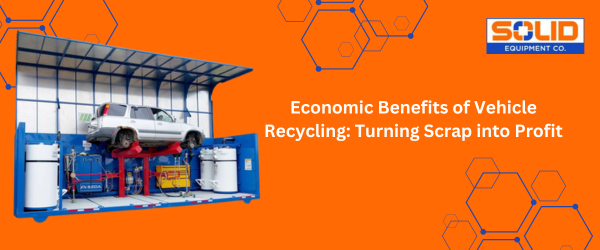
Economic Benefits of Vehicle Recycling Equipment: Turning Scrap into Profit

The demand for sustainable solutions in the automotive industry continues to grow and vehicle recycling equipment has become a game-changer for businesses looking to turn automotive scrap into profit. Investing in the right equipment streamlines operations, reduces environmental impact, and increases revenue through efficient scrap metal recycling. This article explores the financial advantages of auto dismantling equipment and how it supports a profitable and sustainable recycling business.
The Profitability of Vehicle Recycling

The automotive industry generates millions of end-of-life vehicles (ELVs) annually, creating a significant opportunity for auto scrap recyclers. With the right car recycling equipment, businesses can maximize profits by extracting valuable materials such as aluminum, steel, copper, and even rare earth elements found in electric vehicle batteries. Efficient automotive scrap metal recycling reduces waste and enhances revenue streams, making it an essential part of the modern recycling industry.

Revenue Streams from Automotive Scrap Metal

Scrap metal from ELVs is a highly lucrative market. Scrap car recycling involves dismantling old vehicles, separating valuable materials, and selling them to manufacturers who repurpose them for new products. Here’s how vehicle recycling equipment contributes to these revenue streams:

  • Ferrous and Non-Ferrous Metals: Steel and aluminum from scrap metal auto recycling are in high demand in various industries, including construction and manufacturing.
  • Electric Vehicle Components: Proper car depollution equipment for sale ensures that hazardous materials, such as battery acids and oils, are safely removed, allowing for the efficient recycling of electric motors and batteries.
  • Spare Parts Resale: Many parts of an old vehicle, such as engines, transmissions, and electronics, can be refurbished and resold, creating an additional income stream.

Efficiency in Auto Scrap Recycling

Investing in high-quality auto dismantling equipment improves efficiency in the recycling process, reducing labor costs and increasing output. Advanced shredders, balers, and crushers streamline operations, making commercial metal recycling faster and more profitable. Companies that adopt vehicle depollution equipment can process more vehicles with lower operational expenses, enhancing their bottom line.

Environmental and Economic Advantages

Beyond profitability, old car recycling plays a crucial role in sustainability. By utilizing advanced scrap car recycling solutions, businesses contribute to reducing landfill waste and lowering carbon emissions. The European auto dismantlers industry has set a strong example by implementing stringent environmental regulations and ensuring the safe disposal of hazardous vehicle components. These efforts not only support the planet but also provide financial incentives through government grants and sustainability programs.

Choosing the Right Car Recycling Equipment

Selecting the best vehicle recycling equipment is key to maximizing profits. When investing in automotive scrap metal recycling tools, businesses should consider:

  • Processing Speed & Capacity: Equipment should match the volume of vehicles being processed.
  • Energy Efficiency: Lower energy consumption translates to cost savings.
  • Regulatory Compliance: Ensuring compliance with environmental laws to avoid fines and legal issues.
  • Maintenance & Durability: Long-lasting equipment reduces downtime and maintenance costs.

Expanding Business with the Right Recycling Equipment

Investing in used car recycling equipment opens opportunities for businesses to expand their services. From scrapping old cars to processing industrial machinery, recycling companies can diversify their revenue sources. Advanced industrial recycling technology enables businesses to handle not only automotive materials but also other types of metal waste.

Conclusion

The economic benefits of vehicle recycling equipment are undeniable. By optimizing scrap car recycling, businesses can significantly increase profitability while contributing to a greener future. Whether it’s processing automotive scrap metal, reselling valuable components, or handling scrap metal auto recycling, investing in the right equipment is a strategic move that pays off in both revenue and sustainability.

To explore available car depollution equipment for sale, contact Solid Equipment Company.

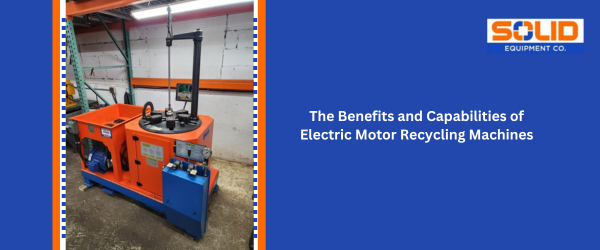
The Benefits and Capabilities of Electric Motor Recycling Machines

Electric motors are integral to countless devices, from household appliances to industrial machinery. As these motors reach the end of their operational life, they become valuable sources of recyclable materials, notably copper and aluminum. Efficiently extracting these materials requires specialized equipment: electric motor recycling machines. These machines not only enhance the efficiency of scrap metal recovery but also contribute significantly to environmental sustainability.

The Importance of Recycling Electric Motors

Recycling electric motors is a crucial aspect of industrial recycling solutions. Electric motors contain valuable components such as copper windings and aluminum structures, encased within steel or iron housings. By recycling these motors, we can recover these precious metals, reducing the need for new mining operations and conserving natural resources. Moreover, recycling helps in minimizing landfill waste, thereby reducing environmental pollution. This process aligns with the principles of the circular economy, promoting the reuse of materials and energy savings.

Capabilities of Electric Motor Recycling Machines

Electric motor recycling machines are designed to efficiently disassemble motors and separate their components for recycling. The process typically involves three stages:

  1. Cracking the Outer Casing: The robust outer shell of the motor, usually made of steel or aluminum, is split open to access internal components.
  2. Splitting the Stators: Once the casing is removed, the stator—the stationary part of the motor—is cut to expose the copper windings.
  3. Extracting Copper and Aluminum: The final step involves extracting the copper windings and aluminum components from the stator and rotor.

This systematic approach ensures maximum recovery of valuable metals with minimal manual intervention, enhancing the efficiency of scrap motor recovery operations.

Benefits of Using Electric Motor Recycling Machines

Investing in electric motor recycling machines offers several advantages:

  • Increased Efficiency: These machines can process many motors in a shorter time compared to manual methods, significantly boosting productivity.
  • Enhanced Safety: Automating the dismantling process reduces the risk of injuries associated with manual disassembly, creating a safer work environment.
  • Higher Recovery Rates: Specialized machines ensure thorough extraction of copper and aluminum, maximizing the profitability of recycling operations.
  • Environmental Benefits: Efficient recycling reduces the demand for virgin mining, lowers energy consumption, and decreases greenhouse gas emissions associated with metal production.

Solid Equipment Company: Leading the Way in Motor Recycling

As a thought leader in the industry, Solid Equipment Company specializes in providing top-tier electric motor recycling machines. Their offerings include:

  • Triple Platform Electric Motor Recycling Machine: This setup comprises three separate platforms: two hydraulic presses for cracking the cast and splitting the stators, and one platform dedicated to copper extraction. This configuration allows for quicker processing and higher production capacity.
  • Double Platform Electric Motor Recycling Machine: This machine separates the cracking/splitting platform from the copper extraction platform, each with its own motor, providing flexibility and efficiency in processing.
  • Solid Equipment Company also offers used recycling equipment, catering to businesses seeking cost-effective solutions without compromising on quality.

    Conclusion

    Electric motor recycling machines play a pivotal role in modern scrap metal recovery efforts. They enhance operational efficiency, ensure higher recovery rates of valuable metals, and contribute to environmental sustainability by promoting the recycling of scrap metal. Companies like Solid Equipment Company are at the forefront of this industry, providing innovative and reliable solutions for all motor recycling needs. Investing in such equipment not only boosts profitability but also aligns with global efforts toward sustainable resource management.

    For a visual demonstration of how electric motor recycling machines operate, you can watch the following video:

A Guide to Selecting Demolition Attachments for Heavy Machinery

As anyone that works with heavy machinery will tell you, the only way to achieve good results in any job is by picking out the best tools for the job.  Because of this, such operators are always on the lookout for the most reliable, efficient, and cost-effective solutions. In this post, we’ll dive into the exciting world of heavy machinery demolition attachments, highlighting the factors that should be at the top of your list when picking out the best pieces for the job.

The Types of Attachments Available

Different attachments will be suitable for different tasks, and some of the most effective demolition attachments available to operators include concrete crushers, hydraulic breakers, grapples, magnets, scrap shears, etc.

Cost and Performance

Because heavy machinery and attachments can represent significant investments, it’s useful to consider used recycling equipment or other demolition attachments to balance the cost against the longevity and effectiveness of the equipment.

Safety Considerations

Modern heavy machinery typically comes with a variety of safety features and designs to help keep everyone safe. These include precision control mechanisms such as adjustable jaws and hydraulic control systems. Anti vibration systems can also be effective safety additions because they mitigate the gradual wear and tear of the machinery as well as the operators must endure.

Maintenance and Durability

There are two main considerations to keep in mind when trying to determine the long-term viability of demolition equipment – their ease of maintenance and the quality of the materials they’re made of. Luckily, metal recycling equipment and metal recycling machines have spare parts readily available, making their maintenance very convenient. You should also try your best to identify attachments made from hardened materials such as high strength steel to deal with tough working conditions for as long as possible.

Machinery and Attachment Compatibility

Before settling on any type or brand of demolition attachment, you need to know that it will fit and work well with your heavy machinery, which means considering elements such as the following:

  • Mounting Compatibility: Whether you’re dealing with a direct pinning or quick coupling piece of equipment, the fact is that you can’t risk picking the wrong type of mount. Demolition arms, concrete breaker attachments, plate compactors, and so on, all rely on strong support to be effective, which relies on secure and reliable mounting.
  • Hydraulic Pressure and Flow: Many pieces of demolition equipment such as hydraulic shear attachments for excavators or even handheld hydraulic shears rely on effective hydraulic systems to produce the
  • Size and Weight: Every machine has its own weight class, and your attachments need to match this since light attachments might not produce the power you require while heavier units might stress your machinery.

Site and Environmental Considerations

Before purchasing hydraulic breakers, excavator shears or an excavator pulverizer for sale, you might feel the need to minimize the environmental impact of your intended project, and this is possible thanks to the availability of various eco-friendly alternatives in the demolition industry.

Scrap metal recycling machines and the various machines you can use to recycle metal such as scrap shears and excavator shear attachments can play significant roles in the fight against environmental degradation. Dust control and noise pollution mitigation are a few other options available and you might find that these innovations are mandated depending on the regulations that apply in your area.

Demolition Attachments: Industrial Equipment Supplier

To get the best results on any project you undertake, you need the best tools and equipment for the job. Solid Equipment is an industry leading provider of scrap metal recycling machinery, excavator pulverizers, and various other new and used demolition attachments. Look around and place your order today.

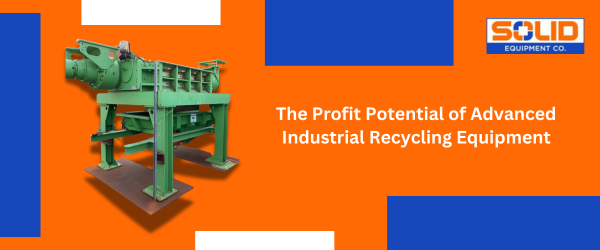
The Profit Potential of Advanced Industrial Recycling Equipment

Advanced industrial recycling equipment has emerged as a game-changer for recycling scrap metal and industrial recycling businesses. By turning scrap metal into valuable resources, these machines not only enhance environmental responsibility but also open significant revenue opportunities.

Advanced machinery such as wire granulators, cross belt magnets, optical sorting systems, and alligator shears provide companies with the means to process and repurpose metals efficiently. With the right equipment, recycling becomes more than a compliance requirement—it becomes a profitable venture.

How Advanced Recycling Equipment Creates Profitability

1.Increased Efficiency

Traditional recycling methods can be costly and time-consuming. Advanced recycling equipment automates these processes, significantly reducing operational costs. Optical sorters, for example, use sophisticated technology to separate materials based on color and composition, ensuring high accuracy and minimal waste.

2. Marketable Byproducts

Equipment such as wire granulators processes scrap cables, separating valuable copper from plastic insulation. The recovered copper can be sold at market value, turning what was once waste into a reliable revenue stream. Similarly, alligator shears efficiently cut through scrap metal, preparing them for resale.

 3.Cost Savings on Disposal

Disposal fees for any industrial waste can add up quickly. Recycling equipment reduces the volume of waste sent to landfills, helping companies save on tipping fees. This is particularly important for industries dealing with large-scale scrap metal amounts, such as vehicle recycling and construction industries.

 4.Long-Term Investment with ROI 

While advanced recycling equipment requires an upfront investment, the long-term benefits far outweigh the initial costs. Businesses can recoup their investment through increased operational efficiency, reduced disposal costs, and higher revenues from recyclable materials.

The Future of Advanced Industrial Recycling Equipment

Advanced industrial recycling equipment represents a smart investment for companies looking to enhance sustainability while boosting profitability. By adopting efficient machinery, businesses can transform waste into valuable resources, reduce disposal costs, and tap into new revenue streams.

For companies ready to unlock the full profit potential of recycling, selecting the right equipment is essential. Solid Equipment Company offers a comprehensive inventory of advanced recycling equipment, including  vehicle recycling and demolition equipment from the top brands. We guarantee access to state-of-the art recycling solutions for your business’s unique needs and project goals.  Reach out to us to see how our advanced recycling equipment for sale can assist in meeting your business’s unique needs and project goals.